
Your cart is currently empty!
Category: Announcements
Announcements and general updates for the site and various projects
-
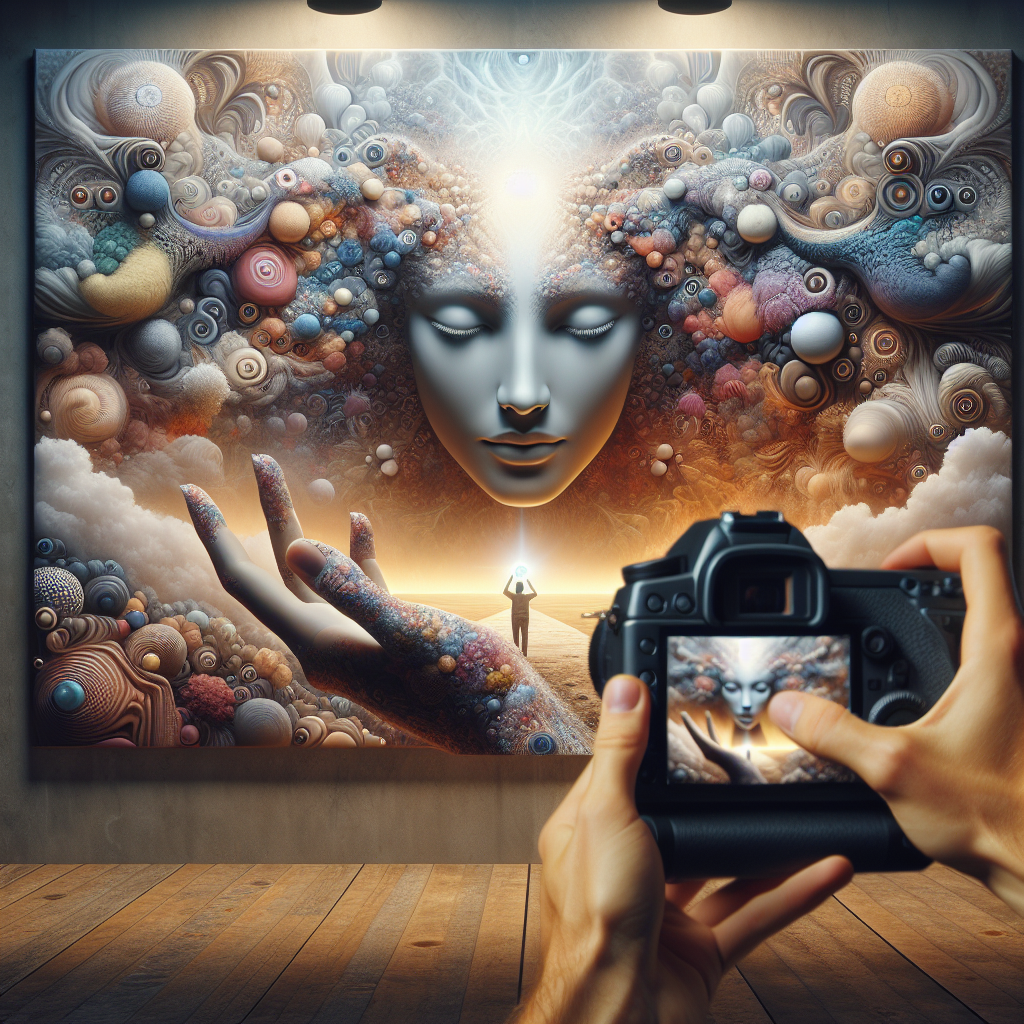
Unlock Your Inner Artist The AI-Powered Muse
Can artificial intelligence truly unlock untapped artistic potential? What if technology could serve as a muse, not a replacement, pushing creative boundaries beyond what we thought possible? The rise of AI creativity is not just a technological trend; it’s a revolution, transforming how we conceive, create, and experience art.
Understanding AI’s Role in Creativity
AI is rapidly evolving from a tool for automation to a partner in creative expression. It offers artists new ways to generate ideas, experiment with styles, and produce innovative works. This collaboration between human and machine opens up exciting possibilities, challenging traditional notions of art and authorship.
AI as a Creative Partner
AI algorithms can analyze vast datasets of art, music, and literature, identifying patterns and generating new combinations that spark human creativity. Think of it as a super-powered brainstorming partner that never runs out of ideas. AI tools can assist with tasks like:
– Generating initial concepts and sketches.
– Exploring variations on existing themes.
– Providing feedback on composition and color palettes.Examples of AI-Driven Art
Several AI-powered platforms have already made waves in the art world. Tools like DALL-E 2 and Midjourney allow users to create stunning visuals from simple text prompts, showcasing the power of AI in image generation. Similarly, AI music composition tools are enabling musicians to explore new harmonies and melodies. For example, consider AI-generated art winning fine arts competitions, sparking debates about creativity and technology.
Unlocking Your Creative Potential with AI
Integrating AI into your creative process doesn’t require a computer science degree. Many user-friendly tools are designed for artists of all levels. The key is to approach AI as a collaborator, exploring its capabilities and adapting them to your unique style.
Choosing the Right AI Tools
Selecting the appropriate AI tools depends on your artistic medium and goals. Some options include:
– Image generation tools: DALL-E 2, Midjourney, and Stable Diffusion.
– Music composition software: Amper Music, Jukebox, and Euterpe.
– Writing assistants: GPT-3, Rytr, and Jasper.Experiment with different platforms to discover what resonates with your creative process. Free trials and online tutorials can help you get started without significant investment.
Harnessing AI for Idea Generation
Struggling with creative block? AI can help. Input a few keywords or themes into an AI-powered tool, and it will generate a range of ideas to inspire you. For example, if you’re a painter looking for new subject matter, AI could suggest unexpected combinations like “a cyberpunk cityscape at sunset” or “a portrait of a cat wearing a spacesuit.”
Enhancing Your Skills with AI Feedback
AI can also provide valuable feedback on your work. Some tools analyze your art or music, offering suggestions for improvement in areas like composition, harmony, or rhythm. While AI feedback shouldn’t replace human critique, it can offer a fresh perspective and help you identify areas for growth.
The Ethical Considerations of AI Creativity
As AI becomes more integral to creative expression, it’s crucial to address the ethical implications. Issues of copyright, ownership, and the potential for bias in AI algorithms require careful consideration.
Copyright and Ownership
Who owns the copyright to AI-generated art? This question is still being debated in legal and artistic circles. Some argue that the artist who provides the prompts and guides the AI should own the copyright, while others believe that the AI itself should be recognized as a co-creator. As AI creativity evolves, clear legal frameworks are needed to protect the rights of all parties involved.
Bias in AI Algorithms
AI algorithms are trained on vast datasets, which may contain biases that can be reflected in the AI’s output. For example, an AI trained primarily on Western art may produce art that lacks diversity and cultural representation. It’s essential to be aware of these biases and to use AI tools critically, actively working to mitigate their effects.
The Future of AI creativity
The future of AI creativity holds immense potential, but it also requires careful navigation. As AI technology advances, it’s crucial to foster a collaborative relationship between humans and machines, ensuring that AI serves as a tool for empowering artists and expanding the boundaries of creative expression. Experts at MIT Media Lab are actively researching ways to harness AI for positive social impact in the arts, signaling a future where technology enhances, rather than replaces, human creativity.
Mastering AI-Assisted Art: A Step-by-Step Guide
Ready to dive into the world of AI-assisted art? Follow these steps to start exploring the possibilities:
1. Choose Your AI Tool: Select a platform that aligns with your artistic interests (e.g., DALL-E 2 for image generation, Amper Music for music composition).
2. Learn the Basics: Explore the tool’s features and functionalities through tutorials and online resources.
3. Experiment with Prompts: Start with simple prompts and gradually increase complexity as you become more comfortable.
4. Refine and Iterate: Use AI-generated outputs as a starting point, refining and adapting them to your unique style.
5. Seek Feedback: Share your work with other artists and solicit feedback on how to improve your AI-assisted creations.Examples in Different Art Forms
AI is making waves across various art forms, transforming how artists approach their craft.
– Visual Arts: AI algorithms are used to generate photorealistic images, abstract art, and digital paintings, offering artists new ways to express their visions.
– Music Composition: AI tools create original melodies, harmonies, and rhythms, enabling musicians to explore uncharted sonic territories.
– Writing and Literature: AI-powered writing assistants help authors brainstorm ideas, develop characters, and refine their prose.
– Design: AI algorithms are used to generate design concepts for websites, logos, and marketing materials, accelerating the creative process.AI is not meant to replace human creativity but to augment it, providing artists with new tools and possibilities.
The integration of AI into the creative realm marks a pivotal shift, offering artists unparalleled opportunities to innovate and explore uncharted territories. By embracing AI as a collaborative partner, understanding its ethical implications, and mastering its tools, you can unlock your inner artist and create works that resonate with audiences in new and profound ways. Embark on this exciting journey and discover how AI can help you realize your creative vision.
For more insights or collaboration opportunities, visit www.MajesticVision.com.
-
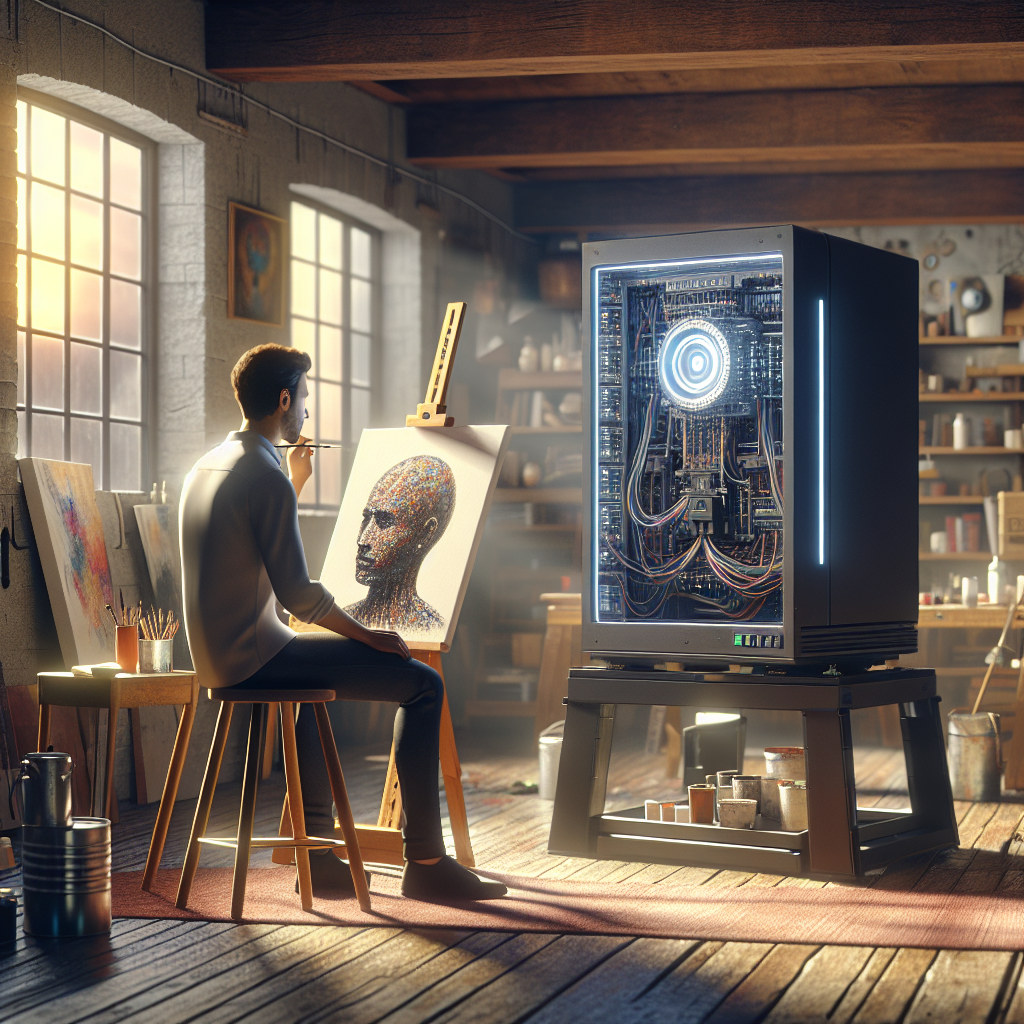
Unlock Your Inner Artist The Surprising Ways AI Sparks Creativity
Meta Description: Discover how AI art tools are revolutionizing creativity. Learn surprising ways artificial intelligence can spark your inner artist and unlock new creative potentials.
Is your muse feeling a little…muted lately? What if the key to unlocking your artistic potential wasn’t another workshop or retreat, but rather a collaboration with artificial intelligence? The world of AI art is exploding, offering groundbreaking tools that are not just mimicking artists but sparking entirely new forms of creativity.
Understanding AI’s Role in Creative Expression
AI is no longer just a tool for automation; it’s becoming a partner in creative endeavors. From generating unique images to assisting with musical compositions, AI’s capacity to analyze, learn, and create offers artists unprecedented opportunities.
AI as a Creative Catalyst
AI can act as a powerful catalyst, pushing artists beyond their comfort zones and challenging traditional creative processes. By providing unexpected combinations of styles, themes, and techniques, AI opens doors to uncharted artistic territories.
Breaking Creative Blocks
Feeling stuck in a rut? AI tools can help break those creative blocks by offering fresh perspectives and novel starting points. Imagine feeding an AI a few key words or a rough sketch and receiving a gallery of inspiring variations.
Enhancing Artistic Skills
AI can also serve as a learning tool, helping artists refine their skills and explore new mediums. For example, AI-powered painting programs can provide real-time feedback on brushstrokes, color choices, and composition.
The Rise of AI Art Generators
AI art generators are democratizing the creative process, making artistic tools accessible to a wider audience. These platforms use complex algorithms to produce stunning visuals from simple text prompts or image inputs.
How AI Art Generators Work
These generators typically rely on machine learning models trained on vast datasets of images. By analyzing these datasets, the AI learns to recognize patterns, styles, and techniques, which it then uses to create new images based on user input. According to research from MIT, these AI models are becoming increasingly sophisticated, capable of generating images that are nearly indistinguishable from human-created art.
Popular AI Art Platforms
Several platforms are leading the charge in AI art generation, including:
– Midjourney: Known for its surreal and dreamlike imagery.
– DALL-E 2: Offers a wide range of styles and the ability to edit existing images.
– Stable Diffusion: An open-source option that provides greater customization and control.Exploring the Ethical Considerations of AI Art
As AI art becomes more prevalent, important ethical questions arise. Copyright, ownership, and the potential displacement of human artists are all topics that need careful consideration.
Copyright and Ownership
One of the biggest challenges is determining who owns the copyright to AI-generated art. Is it the user who provided the prompt, the developer of the AI model, or does the copyright even exist at all? These questions are still being debated in legal circles. The U.S. Copyright Office has issued some guidance, stating that copyright protection generally does not extend to works created solely by AI without human input.
The Impact on Human Artists
Some artists worry that AI art could devalue human creativity and potentially lead to job losses. However, many see AI as a tool that can augment and enhance their skills, rather than replace them.
Addressing Bias in AI Art
AI models are trained on data, and if that data contains biases, those biases will be reflected in the art the AI generates. It’s crucial to address these biases to ensure that AI art is fair, inclusive, and representative of diverse perspectives.
Practical Applications of AI in Creative Fields
AI’s influence extends far beyond visual arts, impacting various creative fields.
AI in Music Composition
AI is being used to compose original music, generate variations on existing melodies, and even assist with music production. Tools like Amper Music and Jukebox allow users to create custom soundtracks for videos, games, and other projects.
AI in Writing and Storytelling
AI can help writers brainstorm ideas, generate plot outlines, and even write entire articles or stories. While AI-generated text may not always be perfect, it can be a valuable tool for overcoming writer’s block and exploring new narrative possibilities.
AI in Design and Architecture
AI is transforming design and architecture by automating repetitive tasks, generating design options, and optimizing building layouts for efficiency and sustainability. Companies like Autodesk are integrating AI into their design software to help architects and engineers create better buildings and infrastructure.
Getting Started with AI-Powered Creativity
Ready to explore the possibilities of AI art? Here’s how to get started:
Choosing the Right Tools
Select an AI art generator that aligns with your creative goals and skill level. Consider factors such as ease of use, available features, and pricing. Many platforms offer free trials or limited free versions, allowing you to experiment before committing to a subscription.
Experimenting with Prompts
The key to generating compelling AI art lies in crafting effective prompts. Be specific and descriptive, and don’t be afraid to experiment with different combinations of keywords, styles, and themes.
Refining and Iterating
AI-generated art is often just a starting point. Use image editing software to refine the results, add your own personal touches, and create something truly unique. Iteration is key to achieving the desired outcome.
The intersection of AI and art is not about replacing human creativity, but about augmenting it. AI offers artists new tools, new perspectives, and new possibilities. As AI technology continues to evolve, its impact on the creative landscape will only grow, opening up exciting new avenues for artistic expression and innovation.
For more insights or collaboration opportunities, visit www.MajesticVision.com.
-
Happy 2023!
As we welcome a new year, we have so much to be thankful for and look forward to. The start of a new year is an opportunity to embrace fresh starts, set and accomplish goals, and work towards making our dreams come true. This is the time of year when we can reflect on our successes and achievements from the past twelve months, and strive to make the next twelve even more successful!
One of the best things about a new year is that it allows us to make positive changes in our lives. We can take steps towards improving our physical and mental health, focus on developing healthier relationships with loved ones, create professional goals to help us grow within our careers, or simply become more organized. The possibilities are endless!
Making New Year’s resolutions is also great for setting ourselves up for success. Whether we want to improve our diet and exercise habits, save money or spend more time doing activities that bring us joy, making realistic resolutions provides an excellent framework for achieving them throughout the year.
Another wonderful thing about Happy New Year is that it celebrates another whole year of life! It’s a reminder that being alive is something to truly cherish and appreciate – each passing day is precious and should be treated as such. Moreover, it’s an opportunity for reflection: think about all you have accomplished this past year, all you have learned along the way – and use these experiences as motivation going forward.
Finally, Happy New Year brings with it plenty of optimism; it’s yet another chance at starting anew. Let yourself believe in the potential that lies ahead – in terms of your personal growth, career success, or anything else. Use this moment as an opportunity to focus your energy on making 2023 your best year yet – don’t forget to celebrate all your small wins on your journey toward happiness!
-
Season’s Greetings

Happy Holidays
-
Design Life


“Design is so much more than just making things look good. It’s about creating a unique experience that resonates with the user and communicates something meaningful to them. Designers have the power to create products and experiences that delight customers and make their lives easier. Whether it be through graphics, web design, or product design, your work has real-world implications on people’s lives – now that’s something to be proud of! So keep pushing yourself and strive for excellence in whatever you do. You never know what amazing opportunities can come from it!“
— Majestic Vision
-
Piet Mondrian

ABSTRACT
Piet Mondrian
Composition with Large Blue Plane, Red, Black, Yellow, and Gray, painted in 1921.
-
Latest Video
Majestic Vision has just released a new video, and it's already been published to their YouTube channel (see the above video!) If you're looking for an inspiring and informative video, be sure to check this out!
-
Poetry and the Aesthetic
[vidbg container=”.is-layout-flow” type =”youtube” youtube_url=”https://www.youtube.com/watch?v=dQw4w9WgXcQ”]
