
Your cart is currently empty!
Category: Announcements
Announcements and general updates for the site and various projects
-
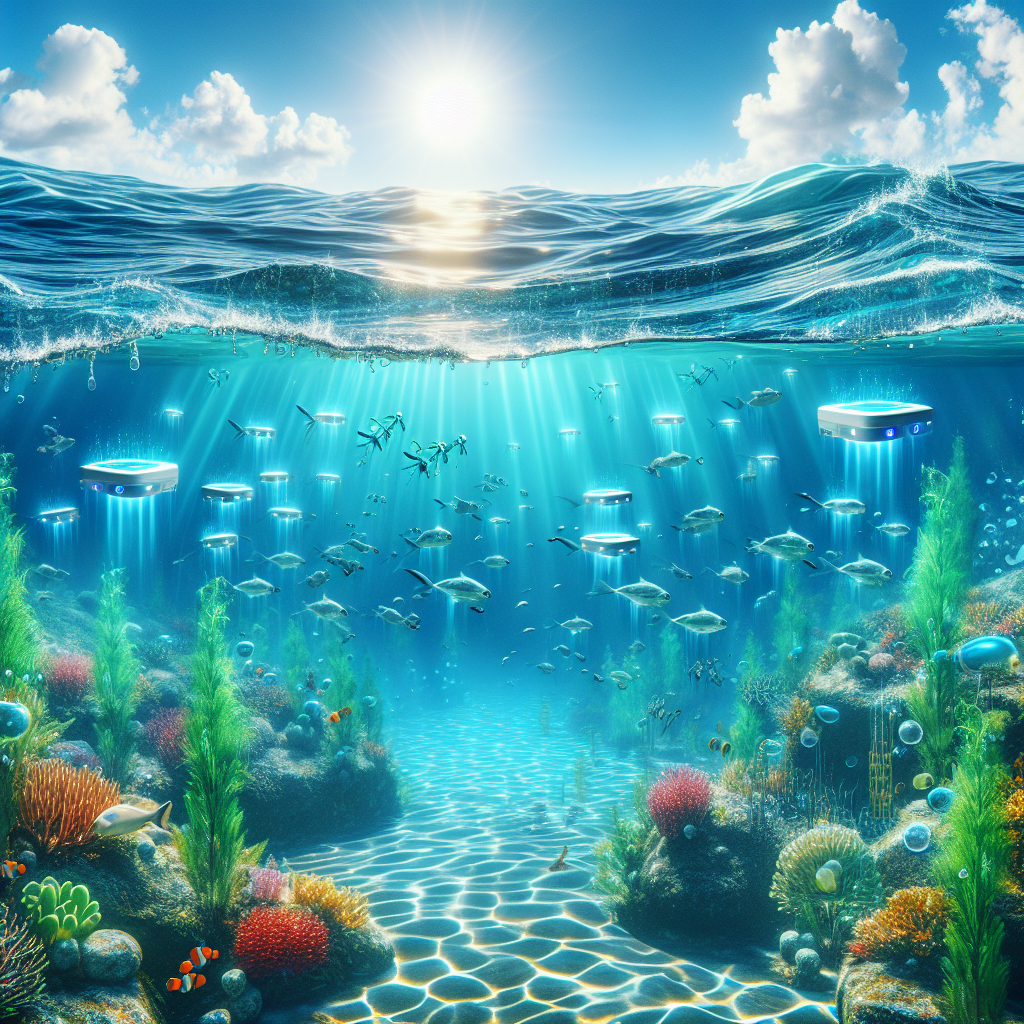
Can AI Save Our Oceans? Predicting Ocean Health in 2025
Meta Description: Discover how AI is revolutionizing ocean conservation. Explore AI-driven solutions for predicting and improving ocean health by 2025.
Can artificial intelligence truly be the key to reversing the damage inflicted on our oceans? As our planet’s largest and most vital ecosystem faces unprecedented threats, the prospect of leveraging AI to predict and enhance ocean health is no longer a futuristic fantasy—it’s a rapidly approaching reality. By 2025, AI could be pivotal in transforming how we understand, monitor, and protect our seas.
The Current State of Ocean Health
Our oceans are in crisis. Decades of pollution, overfishing, and climate change have taken a severe toll, leading to coral reef destruction, plummeting fish populations, and vast dead zones. Understanding the magnitude of these challenges is the first step in seeking effective solutions.
– Pollution: Plastics, chemical runoff, and industrial waste contaminate marine ecosystems, poisoning wildlife and disrupting the food chain.
– Overfishing: Unsustainable fishing practices deplete fish stocks, destabilizing marine ecosystems and threatening the livelihoods of coastal communities.
– Climate Change: Rising sea temperatures and ocean acidification damage coral reefs, alter marine habitats, and contribute to extreme weather events.These factors combine to create a complex web of problems that demand innovative solutions. Traditional methods of monitoring and conservation often fall short due to the sheer scale and complexity of the marine environment.
AI-Driven Monitoring and Prediction
Artificial intelligence offers powerful tools for monitoring and predicting changes in ocean health. By analyzing vast datasets from various sources, AI algorithms can identify patterns, forecast trends, and provide insights that would be impossible to obtain through conventional means.
Satellite Imaging and Remote Sensing
AI algorithms can analyze satellite images to monitor ocean surface conditions, detect pollution plumes, and track the movement of marine vessels. This technology provides real-time data on a global scale, enabling rapid responses to environmental threats.
– Example: Analyzing satellite imagery to detect illegal fishing activities in protected areas.
– Example: Monitoring the spread of harmful algal blooms that can devastate marine life.Underwater Sensors and Acoustic Monitoring
Underwater sensors equipped with AI can collect data on water temperature, salinity, and chemical composition. Acoustic monitoring can track marine animal populations and detect noise pollution that can disrupt their behavior.
– Example: Deploying autonomous underwater vehicles (AUVs) to map coral reef health and assess damage from bleaching events.
– Example: Using hydrophones to monitor whale migration patterns and detect potential threats from shipping traffic.Predictive Modeling and Forecasting
AI algorithms can create predictive models that forecast changes in ocean conditions based on historical data and current trends. These models can help policymakers and conservation organizations anticipate future challenges and develop proactive strategies.
– Example: Predicting the impact of climate change on fish populations and identifying areas that are most vulnerable.
– Example: Forecasting the likelihood of coral bleaching events based on sea temperature projections.AI for Ocean Cleanup and Remediation
Beyond monitoring and prediction, AI can also play a crucial role in ocean cleanup and remediation efforts. From robotic systems that remove plastic waste to AI-powered tools that restore damaged ecosystems, these technologies offer hope for reversing the damage inflicted on our oceans.
Robotic Waste Removal
AI-powered robots can identify and remove plastic waste from the ocean surface and seafloor. These robots can operate autonomously, covering large areas and collecting debris more efficiently than human-led efforts.
– Example: Using drones equipped with AI to detect and track plastic waste accumulation zones.
– Example: Deploying autonomous surface vessels (ASVs) to collect plastic debris from the ocean surface.Coral Reef Restoration
AI can assist in coral reef restoration efforts by identifying suitable locations for coral transplantation and monitoring the health of restored reefs. This technology can help accelerate the recovery of these vital ecosystems.
– Example: Using AI to analyze water quality data and identify areas where coral reefs are most likely to thrive.
– Example: Employing 3D printing technology to create artificial reef structures that provide habitat for marine life.AI-Driven Pollution Control
Artificial intelligence can optimize pollution control strategies by identifying sources of pollution and predicting the impact of mitigation measures. This technology can help reduce the flow of pollutants into the ocean and protect marine ecosystems.
– Example: Using AI to analyze wastewater treatment plant data and identify opportunities to improve effluent quality.
– Example: Implementing AI-powered monitoring systems to detect and prevent illegal dumping of pollutants into waterways.Challenges and Opportunities in AI for Ocean Health
While the potential of AI to enhance ocean health is immense, there are also significant challenges that must be addressed. Overcoming these obstacles will require collaboration between researchers, policymakers, and industry stakeholders.
Data Availability and Quality
The effectiveness of AI algorithms depends on the availability of high-quality data. Collecting and sharing data on ocean conditions can be challenging due to the vastness and inaccessibility of the marine environment.
– Solution: Investing in ocean monitoring infrastructure, such as satellite networks and underwater sensor arrays.
– Solution: Establishing data sharing agreements between research institutions, government agencies, and private companies.Computational Resources and Expertise
Developing and deploying AI-powered solutions for ocean health requires significant computational resources and expertise. Many conservation organizations and research institutions lack the resources to fully leverage these technologies.
– Solution: Providing access to cloud computing platforms and AI development tools.
– Solution: Investing in training and education programs to build a workforce skilled in AI and ocean science.Ethical Considerations and Governance
As AI becomes more prevalent in ocean conservation, it is essential to address ethical considerations and establish appropriate governance frameworks. This includes ensuring that AI systems are used responsibly and do not exacerbate existing inequalities.
– Solution: Developing ethical guidelines for the use of AI in ocean conservation.
– Solution: Establishing regulatory frameworks to ensure that AI systems are transparent, accountable, and aligned with conservation goals.According to a recent report by the World Economic Forum, AI and machine learning technologies can play a critical role in achieving the Sustainable Development Goals (SDGs) related to ocean conservation, but only if these challenges are addressed proactively.
The Future: Ocean Health in 2025
Looking ahead to 2025, the role of AI in ocean conservation is poised to expand dramatically. As AI technology continues to advance and become more accessible, we can expect to see even more innovative applications emerge.
Enhanced Monitoring and Prediction Capabilities
By 2025, AI-powered monitoring systems will provide real-time data on ocean conditions with unprecedented accuracy and resolution. Predictive models will forecast changes in marine ecosystems with greater precision, enabling more effective conservation strategies.
– Expect to see widespread deployment of autonomous underwater vehicles (AUVs) equipped with advanced sensors and AI algorithms.
– Expect to see integration of data from multiple sources, including satellites, sensors, and citizen science initiatives, to create a comprehensive picture of ocean health.Widespread Adoption of AI-Driven Solutions
AI-driven solutions for ocean cleanup, restoration, and pollution control will become more widely adopted by governments, conservation organizations, and industry stakeholders. These technologies will help accelerate progress toward achieving global conservation goals.
– Expect to see increased use of AI-powered robots for plastic waste removal and coral reef restoration.
– Expect to see implementation of AI-driven systems for optimizing fisheries management and reducing the impact of shipping on marine ecosystems.Greater Collaboration and Data Sharing
By 2025, collaboration and data sharing will be essential for harnessing the full potential of AI for ocean health. Open-source platforms and data repositories will facilitate the exchange of information and accelerate the development of new solutions.
– Expect to see the establishment of global partnerships to promote the use of AI in ocean conservation.
– Expect to see increased investment in research and development to advance AI technology and address key challenges.The potential of AI to transform ocean conservation is undeniable. By embracing these technologies and addressing the associated challenges, we can create a more sustainable future for our oceans and the planet.
AI offers a promising path forward in the urgent quest to restore and protect our oceans. The advancements in monitoring, cleanup, and predictive capabilities can revolutionize conservation efforts. Success requires collaborative efforts to overcome challenges related to data, resources, and ethics. The future of ocean health hinges on our ability to harness AI’s power responsibly and effectively.
For more insights or collaboration opportunities, visit www.MajesticVision.com.
-
Unlock Your Inner Genius How AI Supercharges Human Creativity
Meta Description: Discover how AI creativity isn’t replacing human ingenuity, but supercharging it. Explore practical AI tools & strategies to unlock your creative potential!
The Symbiotic Spark: Human Ingenuity Meets AI Creativity
What if the greatest masterpieces of tomorrow aren’t solely human-made, but the result of a powerful partnership between human minds and artificial intelligence? The reality is, we’re already seeing the dawn of this new era where AI creativity is not a replacement for human ingenuity, but an amplifier. This article delves into how AI is supercharging human creativity, providing you with practical tips and strategies to unlock your inner genius.
Redefining Creativity in the Age of AI
Creativity, traditionally seen as a uniquely human trait, is now being redefined. AI tools are capable of generating novel ideas, assisting in brainstorming, and even producing original content. But does this mean AI is truly creative? The answer is nuanced. AI excels at identifying patterns, processing vast amounts of data, and generating outputs based on algorithms. This makes it an invaluable tool for augmenting human creativity.
The AI as a Muse
Think of AI as a muse, an inexhaustible source of inspiration that can spark new ideas and perspectives. For example, imagine a graphic designer struggling with a creative block. By inputting a few keywords and style preferences into an AI image generator, they can quickly generate dozens of unique concepts that might never have occurred to them otherwise.
AI’s Role in Overcoming Creative Block
AI can help to overcome the paralysis of analysis. Sometimes, the sheer number of possibilities can be overwhelming. AI can help narrow down the options by suggesting different paths to explore.
Practical Applications of AI in Creative Fields
The impact of AI creativity is being felt across various creative disciplines, from writing and design to music and film. Let’s explore some specific examples:
– **Writing:** AI tools can assist with generating outlines, suggesting alternative phrasing, and even drafting entire articles or scripts.
– **Design:** AI-powered design platforms can automate repetitive tasks, generate design variations, and even predict user preferences.
– **Music:** AI algorithms can compose original music, create unique soundscapes, and even personalize music experiences based on individual listening habits.
– **Film:** AI can be used for tasks such as storyboarding, visual effects, and even generating realistic dialogue.According to a report by McKinsey, AI technologies could contribute up to $13 trillion to the global economy by 2030, with a significant portion of that value stemming from increased productivity and innovation in creative fields.
Harnessing AI Tools to Enhance Your Creative Process
The key to unlocking your inner genius lies in learning how to effectively harness AI tools to enhance your creative process. Here are some practical tips to get you started:
– **Experiment with different AI tools:** Explore the vast array of AI tools available, from image generators and writing assistants to music composition software and video editing platforms. Find the tools that best suit your specific creative needs.
– **Use AI as a brainstorming partner:** Input your ideas and challenges into an AI tool and see what it comes up with. Use the AI’s suggestions as a springboard for further exploration and refinement.
– **Don’t be afraid to iterate:** AI-generated content is rarely perfect right out of the box. Use it as a starting point and then refine, edit, and personalize it to make it your own.
– **Focus on the human element:** Remember that AI is a tool, not a replacement for human creativity. Focus on bringing your unique perspective, skills, and experiences to the table to create something truly special.The Ethical Considerations of AI-Augmented Creativity
As we embrace the potential of AI in creative endeavors, it’s crucial to address the ethical considerations that arise. Issues such as copyright, ownership, and the potential for bias in AI algorithms need careful consideration.
Addressing Bias in AI Creativity
AI algorithms are trained on vast datasets, and if those datasets reflect existing biases, the AI will likely perpetuate those biases in its outputs. It’s important to be aware of this potential and to actively work to mitigate it by using diverse and representative datasets.
Copyright and Ownership in AI-Generated Content
The question of who owns the copyright to AI-generated content is a complex one. In general, the consensus is that the copyright belongs to the human who provided the input and guidance to the AI, rather than the AI itself. However, this area of law is still evolving, and it’s important to stay informed about the latest developments.
Stanford University’s Center for Internet and Society has published extensive research on the legal and ethical implications of AI-generated content, providing valuable insights for creators and policymakers alike.
Future-Proofing Your Creative Skills in an AI-Driven World
The rise of AI doesn’t mean that human creativity is becoming obsolete. On the contrary, it means that creative professionals need to adapt and evolve their skills to thrive in an AI-driven world.
– **Embrace lifelong learning:** Stay up-to-date on the latest AI tools and technologies and be willing to experiment with new approaches.
– **Develop uniquely human skills:** Focus on developing skills that AI cannot easily replicate, such as critical thinking, emotional intelligence, and complex problem-solving.
– **Cultivate collaboration skills:** Learn how to effectively collaborate with AI and with other humans to create innovative solutions.
– **Focus on originality and authenticity:** In a world where AI can generate content on demand, the value of originality and authenticity will only increase.Unleash Your Creative Potential with AI
The fusion of human ingenuity and AI creativity marks a transformative era, presenting boundless opportunities for innovation and self-expression. By understanding AI’s capabilities, addressing ethical considerations, and adapting your skill set, you can harness the power of AI to unlock your inner genius and create extraordinary works. The future of creativity is not about humans versus AI, but humans *with* AI, forging a new landscape of artistic and innovative possibilities.
For more insights or collaboration opportunities, visit www.MajesticVision.com.
-
Unlock Your Inner Artist AI’s Surprising Muse in 2025
Meta description: Explore the evolving landscape of AI art in 2025. Discover how artificial intelligence is transforming creative expression and unlocking new artistic potentials.
The AI Art Renaissance: A 2025 Vision
Are you ready to witness the next revolution in art? By 2025, the influence of AI art will be undeniable, transforming how we create, perceive, and interact with artistic expression. Artificial intelligence is no longer just a technological tool; it’s becoming a collaborator, a muse, and a driving force behind groundbreaking innovations in the art world.
The Democratization of Creativity
One of the most significant impacts of AI in art is its ability to democratize the creative process. Tools powered by AI algorithms are making artistic creation accessible to individuals who may not possess traditional artistic skills.
– AI-driven platforms enable users to generate stunning visuals, music, and literary works with simple text prompts or minimal input.
– This lowers the barrier to entry, allowing a broader audience to explore their creative potential and contribute to the art landscape.
– Imagine a world where anyone can bring their artistic visions to life, regardless of their background or training.AI as a Creative Partner
Beyond accessibility, AI is emerging as a true partner for artists, augmenting their abilities and sparking new ideas.
– Artists are using AI tools to overcome creative blocks, generate novel concepts, and explore uncharted artistic territories.
– AI algorithms can analyze vast datasets of existing artworks, identifying patterns and suggesting unexpected combinations that push the boundaries of creativity.
– This collaboration between human artists and AI algorithms is leading to the creation of artworks that are both innovative and deeply personal.The Evolving Aesthetics of AI-Generated Art
As AI technology advances, so too does the aesthetic quality of AI-generated art. The art created by AI is becoming increasingly sophisticated, challenging traditional notions of beauty and artistic value.
The Rise of Algorithmic Art
Algorithmic art, created through mathematical equations and computer algorithms, is gaining prominence. AI algorithms are capable of producing complex and visually stunning artworks that defy conventional artistic norms.
– These algorithms can generate intricate patterns, simulate natural phenomena, and even mimic the styles of renowned artists.
– Algorithmic art challenges viewers to reconsider their understanding of artistic creation and to appreciate the beauty inherent in mathematical structures.
– According to a report by Art Market Research, sales of algorithmic art have increased by over 400% in the past five years, signaling a growing acceptance and appreciation for this emerging art form.The Blurring Lines Between Reality and Imagination
AI is also enabling the creation of art that blurs the lines between reality and imagination. AI algorithms can generate hyperrealistic images, create immersive virtual environments, and even bring fictional characters to life.
– This capability has profound implications for art, entertainment, and storytelling.
– Artists can use AI to create breathtaking visuals that transport viewers to other worlds, challenge their perceptions, and evoke powerful emotions.
– The increasing realism of AI-generated art raises important questions about authenticity, authorship, and the nature of reality itself.The Ethical Considerations of AI Art
The rise of AI art also brings forth a range of ethical considerations that must be addressed. As AI becomes more deeply integrated into the creative process, it’s crucial to navigate these challenges responsibly.
Copyright and Ownership
One of the most pressing ethical issues is the question of copyright and ownership of AI-generated art. Who owns the rights to an artwork created by an AI algorithm? Is it the developer of the algorithm, the user who provided the input, or the AI itself?
– Legal frameworks are struggling to keep pace with the rapid advancements in AI technology, leading to uncertainty and potential disputes.
– Some argue that the user who provides the input should be considered the artist and therefore own the copyright.
– Others propose a system of shared ownership between the user and the developer of the AI algorithm.
– The World Intellectual Property Organization (WIPO) is actively exploring these issues and working to develop international guidelines for AI and intellectual property.Bias and Representation
Another concern is the potential for bias in AI-generated art. AI algorithms are trained on vast datasets of existing artworks, which may reflect historical biases and stereotypes.
– If these biases are not addressed, AI algorithms may perpetuate them in their creations, leading to art that is exclusionary or offensive.
– It’s crucial to develop AI algorithms that are trained on diverse and representative datasets and to actively mitigate biases in the creative process.
– Artists and developers must also be mindful of the potential for AI to be used to create deepfakes or other forms of deceptive content.The Impact on Traditional Art Forms
The advent of AI art is not only creating new artistic possibilities but also impacting traditional art forms. Artists working in established mediums are increasingly incorporating AI into their practice, leading to exciting hybrid creations.
Painting and Sculpture
Painters and sculptors are using AI to generate new ideas, create preliminary sketches, and even assist with the execution of their artworks.
– AI algorithms can analyze an artist’s existing body of work and suggest new compositions, color palettes, and techniques.
– Artists can also use AI to create 3D models of sculptures or to generate realistic renderings of paintings before they are physically created.
– This integration of AI into traditional art forms is expanding the creative toolkit of artists and enabling them to explore new artistic frontiers.Music and Literature
Musicians and writers are also embracing AI as a creative tool. AI algorithms can compose original music, generate lyrics, and even write entire novels.
– AI-generated music is becoming increasingly sophisticated, with some compositions indistinguishable from those created by human composers.
– Writers are using AI to overcome writer’s block, generate plot ideas, and even co-write stories with AI algorithms.
– The use of AI in music and literature raises questions about the nature of creativity, authorship, and the role of human emotion in art.Looking Ahead: The Future of Artistic Expression
As AI technology continues to evolve, the future of artistic expression is full of possibilities. AI will likely become even more deeply integrated into the creative process, blurring the lines between human and machine creativity.
Personalized Art Experiences
AI is enabling the creation of personalized art experiences tailored to individual preferences. AI algorithms can analyze a viewer’s emotional responses to different artworks and create custom exhibitions that resonate with their individual tastes.
– This personalization could revolutionize the way people experience art, making it more engaging, accessible, and meaningful.
– Imagine a museum that curates exhibitions based on your unique emotional profile or a music streaming service that composes original songs just for you.AI as a Curator and Critic
AI is also emerging as a curator and critic, helping to identify and evaluate artworks. AI algorithms can analyze vast datasets of artworks, identifying trends, patterns, and hidden gems.
– This capability could help to democratize the art world, giving emerging artists greater visibility and challenging the established hierarchies of the art market.
– AI could also provide more objective and data-driven art criticism, helping viewers to better understand and appreciate different artworks.The world of AI art promises a seismic shift in creative expression by 2025. Embrace the change, explore the possibilities, and witness the evolution of art unfold.
For more insights or collaboration opportunities, visit www.MajesticVision.com.
-

Summer Sun
“As the summer sun beats down upon our skin, let its fiery warmth ignite the flames of passion within our souls. Let the heat of the season fuel our determination, our resilience, and our pursuit of greatness. For just as the earth bursts forth with life and vibrancy in the sweltering heat, so too can we emerge stronger, more radiant, and more vibrant with every challenge we face. Let the heat of summer remind us that growth often requires discomfort, and that the most breathtaking sunsets often follow the most sweltering days. May we find strength in the fire that surrounds us, and may our spirits rise like the thermals, soaring on the updrafts of possibility and promise.”
-
Can AI Actually Be Fair? Unveiling Bias and Building Trust
Can AI Actually Be Fair? Unveiling Bias and Building Trust
Can artificial intelligence, designed by humans and trained on human data, truly be fair? The quest for AI fairness is one of the most pressing challenges in the field today, demanding careful consideration of biases embedded in algorithms and data sets. Achieving true fairness in AI is not merely a technical problem but a societal imperative, crucial for building trust and ensuring equitable outcomes in an AI-driven world.
Understanding Bias in AI Systems
AI systems learn from data, and if that data reflects existing societal biases, the AI will perpetuate and even amplify those biases. This results in unfair or discriminatory outcomes, impacting everything from loan applications to criminal justice.
Sources of AI Bias
Bias can creep into AI systems at various stages of development:
– Data Collection: Datasets may underrepresent certain demographic groups or overrepresent others, leading to skewed results.
– Algorithm Design: The choices made by developers in designing algorithms can unintentionally favor certain outcomes over others.
– Feature Selection: The features (variables) used to train the AI can reflect societal stereotypes and prejudices.
– Interpretation: Even with unbiased data and algorithms, the way results are interpreted and applied can introduce bias.For instance, an AI used for hiring might be trained on historical data that primarily features male candidates in leadership roles. This could lead the AI to unfairly favor male applicants, regardless of their qualifications, perpetuating gender inequality in the workplace.
Examples of Biased AI
Several real-world examples highlight the potential for AI to produce biased outcomes:
– Facial Recognition: Studies have shown that facial recognition algorithms often perform poorly on individuals with darker skin tones, leading to misidentification and potential for unjust treatment.
– Healthcare: An AI algorithm used to predict patient health risks was found to be biased against Black patients because it used healthcare costs as a proxy for health needs, overlooking the fact that Black patients often face systemic barriers to accessing quality healthcare.
– Loan Applications: AI systems used to assess creditworthiness can discriminate against individuals from marginalized communities, perpetuating cycles of poverty.The Importance of AI Fairness
The consequences of biased AI systems are far-reaching and can exacerbate existing inequalities. Ensuring AI fairness is essential for several reasons.
– Ethical Considerations: Fairness aligns with core ethical principles of justice, equality, and non-discrimination.
– Legal Compliance: Many jurisdictions are beginning to introduce regulations that prohibit the use of biased AI systems, particularly in sensitive areas like employment and housing.
– Building Trust: When AI systems are perceived as unfair, people lose trust in them, hindering their adoption and effectiveness.
– Social Impact: Fair AI systems can promote greater equity and opportunity for all members of society.According to a study published by Harvard University, algorithms used by judges to determine bail amounts were found to unfairly penalize defendants of color. This example highlights the urgent need for AI fairness to prevent the perpetuation of systemic injustices.
Strategies for Achieving AI Fairness
Addressing bias in AI requires a multi-faceted approach that involves technical solutions, ethical considerations, and interdisciplinary collaboration.
Data Auditing and Preprocessing
One of the first steps in achieving AI fairness is to carefully audit and preprocess the data used to train AI systems.
– Data Collection Practices: Ensure that data collection methods are inclusive and representative of all relevant demographic groups.
– Bias Detection: Use statistical techniques to identify potential biases in the data.
– Data Augmentation: Supplement the dataset with additional examples from underrepresented groups to address imbalances.
– Data Cleaning: Correct errors and inconsistencies in the data that could introduce bias.Algorithm Design and Modification
Another important strategy is to design algorithms that are inherently fairer or to modify existing algorithms to mitigate bias.
– Fairness Metrics: Incorporate fairness metrics into the evaluation process to assess how well the AI performs across different demographic groups.
– Adversarial Debiasing: Use adversarial training techniques to teach the AI to be less sensitive to protected attributes like race or gender.
– Algorithmic Auditing: Regularly audit algorithms to identify and correct any biases that may emerge over time.Explainable AI (XAI)
Explainable AI (XAI) is an approach that aims to make AI systems more transparent and understandable. By understanding how an AI arrives at its decisions, it becomes easier to identify and correct any biases that may be present.
– Transparency: Develop AI models that provide clear explanations of their decision-making processes.
– Interpretability: Use techniques that allow humans to understand the factors that influence the AI’s predictions.
– Accountability: Establish clear lines of accountability for the decisions made by AI systems.The Role of Humans in Ensuring AI Fairness
While technical solutions are important, humans play a critical role in ensuring AI fairness.
Ethical Guidelines and Frameworks
Organizations and individuals should adopt ethical guidelines and frameworks that promote fairness and accountability in AI development and deployment.
– Define ethical principles: Establish clear principles that guide the development and use of AI.
– Develop evaluation metrics: Create metrics to assess the fairness and impact of AI systems.
– Promote transparency: Encourage transparency in AI decision-making processes.Interdisciplinary Collaboration
Addressing AI bias requires collaboration across different disciplines, including computer science, ethics, law, and social sciences.
– Diverse perspectives: Bring together experts from different backgrounds to identify and address potential biases.
– Collaborative research: Conduct research to better understand the societal impacts of AI and develop strategies for promoting fairness.
– Public engagement: Engage with the public to raise awareness about the risks and opportunities of AI.Continuous Monitoring and Evaluation
AI systems should be continuously monitored and evaluated to ensure that they remain fair and unbiased over time.
– Regular audits: Conduct regular audits of AI systems to identify and correct any biases that may emerge.
– Feedback mechanisms: Establish mechanisms for users to provide feedback on the fairness of AI systems.
– Adaptive learning: Use machine learning techniques to continuously improve the fairness of AI systems based on user feedback.The Future of AI Fairness!
The quest for AI fairness is an ongoing process that will require sustained effort and innovation. As AI becomes more integrated into our lives, it is essential to prioritize fairness to ensure that these systems benefit all members of society.
– Technological advancements: Continued research and development of new techniques for bias detection and mitigation will be crucial.
– Policy and regulation: Governments and regulatory bodies will play an increasingly important role in setting standards and enforcing regulations to ensure AI fairness.
– Public awareness: Raising public awareness about the risks and opportunities of AI will help to foster a more informed and engaged society.Achieving AI fairness is not just a technical challenge; it is a societal imperative. By addressing bias in AI systems, we can create a future where AI promotes greater equity, opportunity, and well-being for all.
For more insights or collaboration opportunities, visit www.MajesticVision.com.
-
Goodbye Tedious Tasks Embrace the Power of Automation
Meta Description: Discover how task automation can revolutionize your workflow. Learn practical strategies to eliminate tedious tasks and boost productivity.
Understanding Task Automation
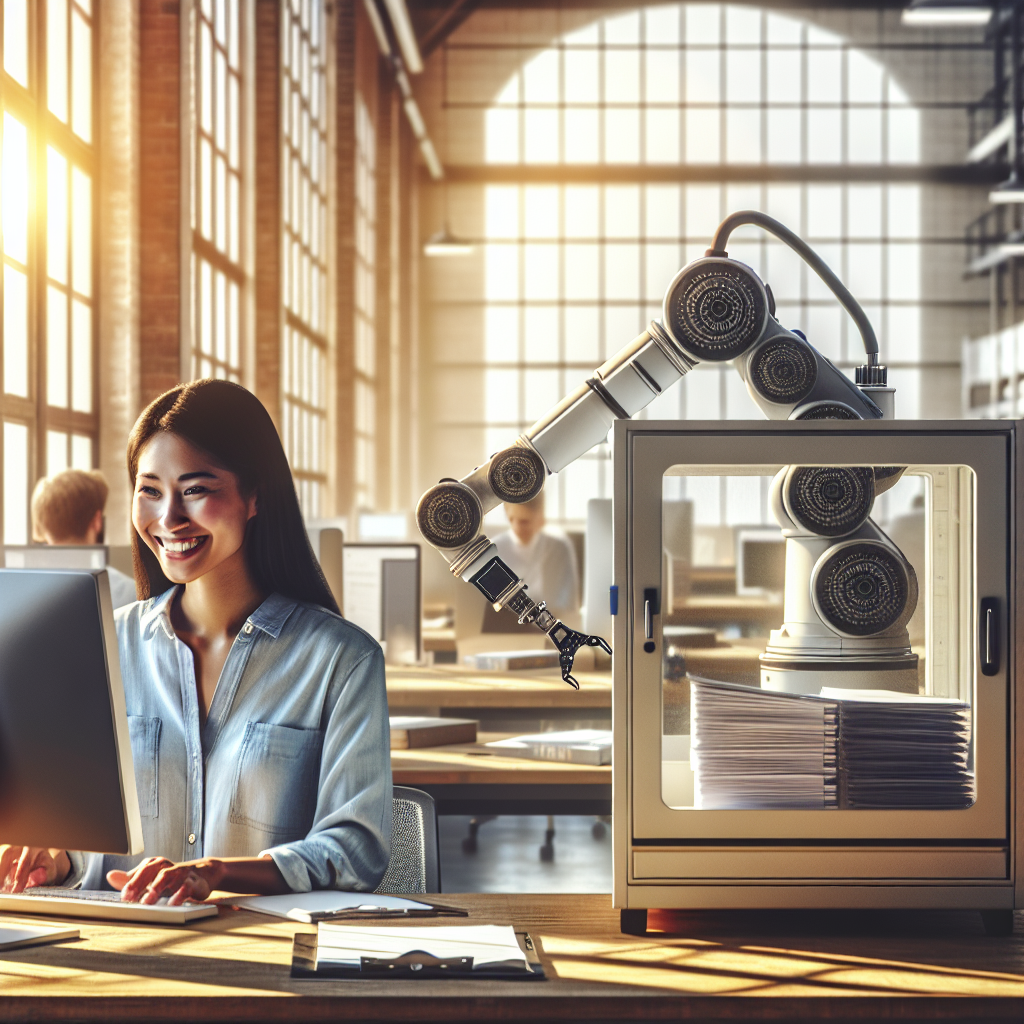
In today’s fast-paced world, efficiency is key. Task automation is the use of technology to execute repetitive, predictable tasks with minimal human intervention. By implementing task automation, individuals and organizations can significantly reduce errors, save time, and free up resources for more strategic and creative endeavors. This shift not only boosts productivity but also enhances job satisfaction by allowing employees to focus on more engaging and challenging work.
Benefits of Task Automation
Task automation offers a multitude of benefits that extend across various aspects of both personal and professional life. The most significant advantages include increased efficiency, reduced costs, and improved accuracy.
Increased Efficiency
Automating tasks streamlines workflows, allowing processes to be completed much faster than manual methods. This acceleration enables teams to handle larger volumes of work without increasing headcount. For instance, automating data entry can cut down processing time from hours to minutes.
Reduced Costs
By minimizing human error and speeding up processes, task automation leads to significant cost savings. Less time spent on repetitive tasks means more time for valuable work. Additionally, automation reduces the need for overtime pay and minimizes the risk of costly mistakes.
Improved Accuracy
Humans are prone to errors, especially when performing repetitive tasks. Automation eliminates this variable, ensuring consistent and accurate results. This is particularly important in areas like finance, where even minor errors can have significant consequences.
Common Tasks Suitable for Automation
Many tasks across different industries are well-suited for automation. These typically involve repetitive actions, predictable patterns, and the need for accuracy. Here are a few examples:
– Data Entry: Automating the entry of data from various sources into a database.
– Email Marketing: Setting up automated email campaigns to nurture leads and engage customers.
– Social Media Management: Scheduling posts and tracking engagement metrics automatically.
– Invoice Processing: Automating the creation and sending of invoices.
– Report Generation: Automatically generating reports based on predefined criteria.Implementing Task Automation
Successfully implementing task automation requires a strategic approach that involves careful planning, selecting the right tools, and training personnel.
Step 1: Identify Repetitive Tasks
The first step in implementing task automation is to identify tasks that are repetitive, time-consuming, and prone to errors. These are the prime candidates for automation. Tasks that follow a predictable sequence of steps are often the easiest to automate.
Step 2: Choose the Right Tools
A wide range of task automation tools are available, each with its own strengths and weaknesses. Selecting the right tools depends on the specific tasks you want to automate and your organization’s technical capabilities. Some popular tools include:
– Zapier: A versatile tool for connecting different web applications and automating workflows.
– UiPath: An enterprise-grade robotic process automation (RPA) platform.
– Microsoft Power Automate: Part of the Microsoft ecosystem, it allows users to automate tasks across various Microsoft applications.
– IFTTT (If This Then That): A user-friendly tool for automating simple tasks between different apps and devices.Step 3: Plan and Design the Automation Workflow
Once you’ve identified the tasks and selected the tools, the next step is to plan and design the automation workflow. This involves mapping out the steps involved in the task and determining how the automation tool will execute each step. It’s important to consider potential exceptions and error handling during this stage.
Step 4: Test and Refine
Before deploying the automated workflow, it’s crucial to thoroughly test it to ensure it works as expected. Start with small-scale tests and gradually increase the scope as you gain confidence. Be prepared to refine the workflow based on the test results.
Task Automation in Different Industries
Task automation has found applications across a wide range of industries, each benefiting from its unique capabilities.
Healthcare
In healthcare, task automation can be used to streamline administrative tasks such as appointment scheduling, patient registration, and insurance claims processing. This allows healthcare professionals to focus more on patient care.
Finance
The finance industry benefits significantly from task automation through processes like fraud detection, report generation, and compliance monitoring. Automation ensures accuracy and speed, reducing the risk of errors and improving regulatory compliance.
Marketing
Marketing teams can leverage task automation for email marketing campaigns, social media management, and lead nurturing. Automated workflows help personalize customer interactions and improve conversion rates.
Customer Service
Automating customer service tasks such as answering frequently asked questions, routing inquiries, and processing returns can improve customer satisfaction and reduce the workload on support staff. Chatbots and AI-powered tools are commonly used for these purposes.
Overcoming Challenges in Task Automation
While task automation offers numerous benefits, it’s not without its challenges. Addressing these challenges proactively is essential for successful implementation.
Resistance to Change
One of the biggest challenges in implementing task automation is resistance to change from employees. People may fear that automation will lead to job losses or that they lack the skills to work with new technologies. To overcome this, it’s important to communicate the benefits of automation clearly and provide adequate training and support.
Integration Issues
Integrating automation tools with existing systems can be complex and challenging. Compatibility issues, data migration problems, and technical glitches can all hinder the implementation process. Careful planning and testing are essential to ensure smooth integration.
Maintenance and Updates
Automation tools require ongoing maintenance and updates to ensure they continue to function effectively. This includes monitoring performance, fixing bugs, and adapting to changes in the underlying systems. Having a dedicated team or individual responsible for maintaining the automation infrastructure is crucial.
The Future of Task Automation
The field of task automation is constantly evolving, driven by advancements in artificial intelligence, machine learning, and robotic process automation. As these technologies continue to mature, we can expect to see even more sophisticated and versatile automation solutions emerge. Experts predict that automation will increasingly focus on more complex and cognitive tasks, blurring the lines between human and machine work.
According to a report by McKinsey Global Institute, “As many as 800 million global workers could see their jobs disrupted by automation by 2030, requiring them to learn new skills and find new work.” This underscores the importance of preparing for the future by investing in education and training programs that equip workers with the skills they need to thrive in an automated world.
Task automation is not about replacing humans but about augmenting their capabilities and freeing them from mundane, repetitive tasks. By embracing automation, individuals and organizations can unlock new levels of productivity, innovation, and success. The power of task automation is transformative, offering a pathway to a more efficient and fulfilling future.
For more insights or collaboration opportunities, visit www.agentcircle.ai.
-
Unlock Your Inner Artist AI’s Creative Spark 2025
Meta Description:
Discover how to unleash your creative potential with AI art in 2025. Explore the latest tools, techniques, and trends transforming artistic expression.The Evolving Landscape of AI Art
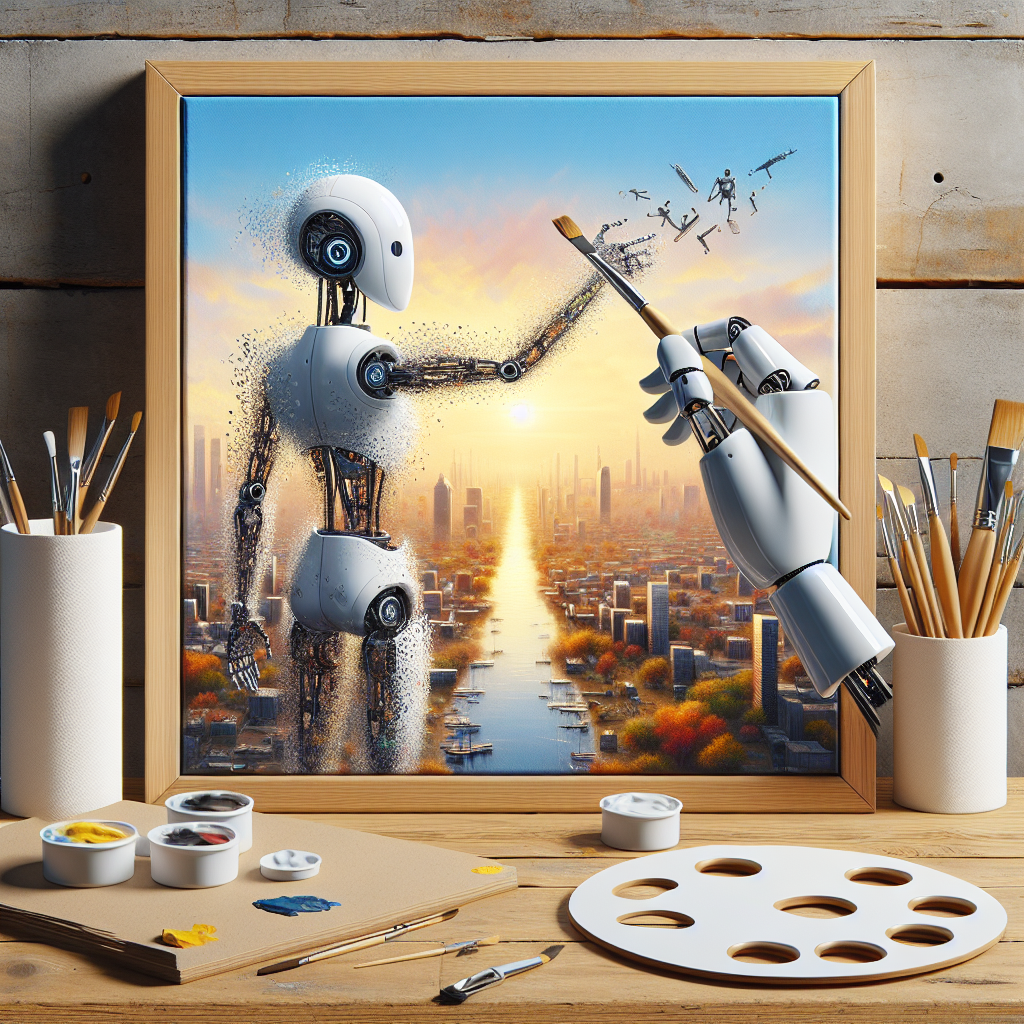
The intersection of artificial intelligence and art is no longer a futuristic fantasy; it’s a vibrant, rapidly evolving reality. In 2025, AI art is poised to become even more accessible and integrated into the creative process for artists of all levels. From generating unique visuals to assisting with complex design tasks, AI tools are unlocking new dimensions of artistic expression.
The possibilities with AI-generated art are virtually limitless, driven by advancements in machine learning and neural networks. These sophisticated algorithms can analyze vast datasets of images, styles, and techniques, enabling them to produce original artworks that push the boundaries of traditional art forms. This opens doors for artists to explore uncharted creative territories and develop entirely new styles.
Unlocking Your Creative Potential with AI Tools
AI-powered tools are democratizing art creation, making it easier for individuals to bring their visions to life regardless of their technical skills. These platforms offer a range of features, from simple image generation to advanced editing and manipulation capabilities.
– **Text-to-Image Generation:** Simply describe your desired artwork in words, and the AI will generate images based on your prompt.
– **Style Transfer:** Transform an existing image into a different artistic style, such as Van Gogh’s brushstrokes or a modern abstract painting.
– **Image Enhancement:** Improve the quality and resolution of your images with AI-powered upscaling and noise reduction.
– **Collaborative Creation:** Work alongside AI to refine your ideas, explore different variations, and overcome creative blocks.AI art tools aren’t intended to replace human artists but rather to augment their abilities and expand their creative horizons. By automating repetitive tasks and providing inspiration, AI allows artists to focus on the core aspects of their craft: ideation, storytelling, and emotional expression.
Mastering the Art of Prompt Engineering
Prompt engineering is the key to unlocking the full potential of AI art generators. The more detailed and specific your prompts, the better the AI can understand your vision and produce the desired results. Experiment with different phrasing, keywords, and artistic styles to refine your prompts and discover new creative possibilities.
– **Be Specific:** Use descriptive language to convey the details of your desired artwork, including the subject, composition, lighting, and mood.
– **Incorporate Keywords:** Include relevant keywords related to art styles, techniques, and historical periods to guide the AI’s creative process.
– **Experiment with Modifiers:** Use modifiers such as “photorealistic,” “abstract,” or “surreal” to influence the overall aesthetic of the generated image.
– **Iterate and Refine:** Don’t be afraid to experiment with different prompts and refine your approach based on the results you get.AI Art as a Catalyst for Innovation
AI art is not just about creating aesthetically pleasing images; it’s also a powerful tool for innovation across various industries. From marketing and advertising to product design and entertainment, AI-generated content is transforming the way businesses create and communicate.
– **Personalized Marketing:** Generate unique visuals for targeted advertising campaigns based on individual customer preferences.
– **Product Design:** Quickly prototype and visualize new product designs with AI-powered modeling and rendering tools.
– **Entertainment:** Create immersive and interactive experiences with AI-generated characters, environments, and storylines.
– **Education:** Enhance learning experiences with AI-generated illustrations, animations, and interactive simulations.According to a report by Gartner, “By 2025, 30% of large organizations will be using AI-generated content for marketing and sales, up from less than 2% in 2022.” This demonstrates the growing recognition of AI’s potential to drive innovation and improve business outcomes.
Ethical Considerations in the Age of AI Art
As AI art becomes more prevalent, it’s essential to address the ethical considerations surrounding its creation and use. Issues such as copyright, ownership, and the potential for misuse need to be carefully considered to ensure that AI art is used responsibly and ethically.
– **Copyright and Ownership:** Determine the ownership rights of AI-generated artwork and establish clear guidelines for commercial use.
– **Bias and Representation:** Address potential biases in AI algorithms and ensure that AI-generated content is inclusive and representative of diverse perspectives.
– **Misinformation and Deepfakes:** Develop strategies to detect and prevent the creation of AI-generated misinformation and deepfakes.
– **Transparency and Accountability:** Promote transparency in the use of AI art and establish accountability mechanisms for creators and developers.Addressing these ethical considerations is crucial for fostering trust and ensuring that AI art is used for the benefit of society. The Partnership on AI offers resources and best practices for responsible AI development and deployment: [https://www.partnershiponai.org/](https://www.partnershiponai.org/)
Embracing the Future of AI-Driven Creativity
AI art is revolutionizing the creative landscape, offering new tools and possibilities for artists, designers, and innovators alike. By embracing these technologies and developing your skills in prompt engineering and AI-assisted creation, you can unlock your inner artist and explore the limitless potential of AI-driven creativity. The future of art is here, and it’s powered by AI.
For more insights or collaboration opportunities, visit www.agentcircle.ai.
-
Unlock Your Inner Artist AI’s Surprising Muse in 2025
Meta Description: Explore how AI art will revolutionize creativity in 2025. Discover AI’s role as muse, learn about emerging AI tools, and prepare for a new era of artistic expression.
The AI Art Renaissance: What to Expect in 2025
Are you ready for a world where machines inspire masterpieces? By 2025, AI art will no longer be a novelty—it will be an integral part of the creative process. Imagine AI serving as your personal muse, sparking ideas and helping you bring your visions to life. This article explores how AI is poised to revolutionize artistic expression, offering insights into the tools, techniques, and transformative potential that awaits.
AI as Muse: A New Paradigm for Creativity
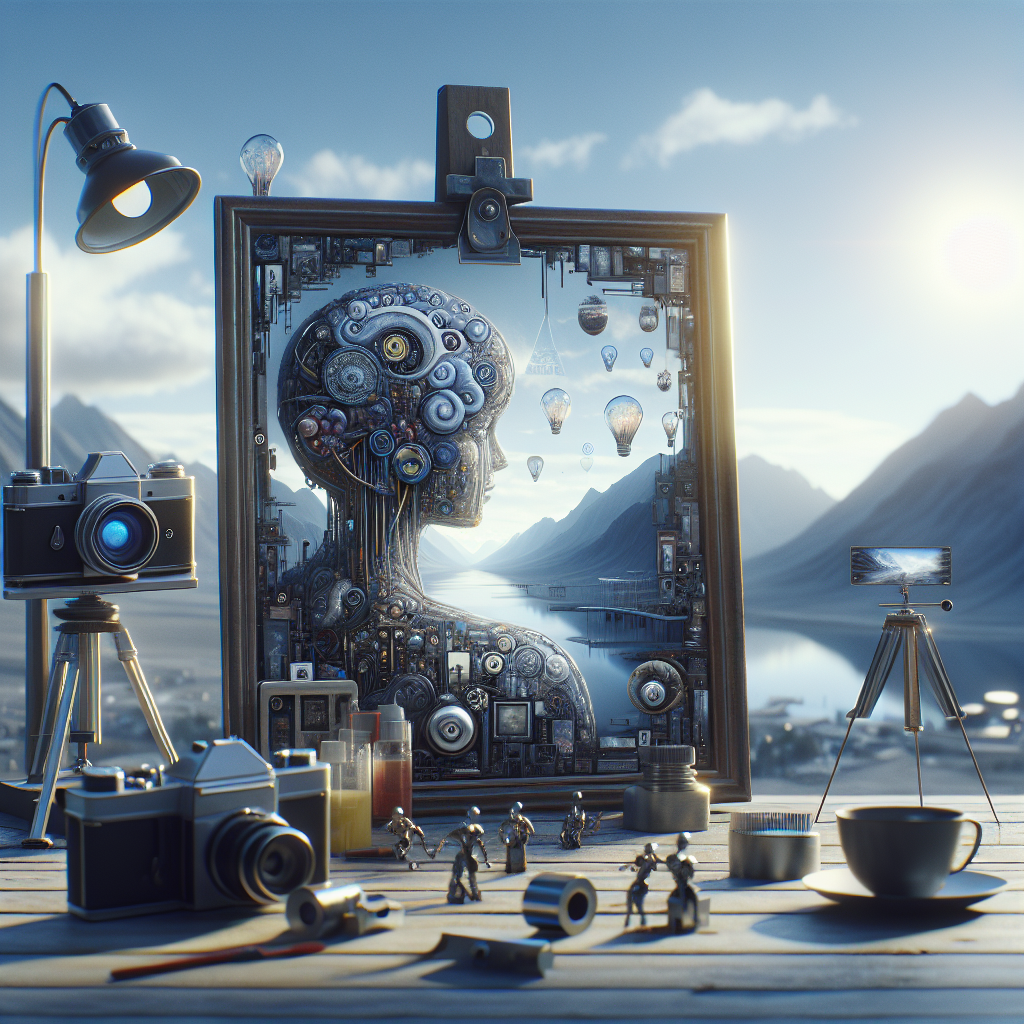
The traditional image of the artist, struck by sudden inspiration, is about to evolve. In 2025, AI will step into the role of muse, offering artists unprecedented access to new ideas, styles, and techniques.
Unlocking Unconventional Inspiration
AI algorithms can analyze vast datasets of art, music, literature, and even scientific data to identify patterns and connections that humans might miss. This capability allows AI to generate novel concepts and inspire artists to explore uncharted creative territories.
– AI can analyze the color palettes of thousands of paintings to suggest unexpected combinations.
– AI can generate musical phrases in styles that blend classical and electronic elements.
– AI can create abstract patterns based on complex mathematical equations, providing a unique visual starting point.Enhancing Human Imagination
AI doesn’t replace human creativity; it amplifies it. By providing artists with a constant stream of new ideas and possibilities, AI can help them overcome creative blocks and push the boundaries of their imagination. The synergy between human ingenuity and artificial intelligence promises to unlock a new era of artistic innovation.
Emerging AI Art Tools and Platforms
The rise of AI art is fueled by the development of sophisticated tools and platforms that make it easier than ever for artists to collaborate with AI. These tools range from simple image generators to complex systems capable of producing highly original and personalized works of art.
AI-Powered Image Generation
AI image generators like DALL-E 3, Midjourney, and Stable Diffusion are becoming increasingly accessible and user-friendly. These tools allow artists to create stunning visuals from simple text prompts, opening up new avenues for experimentation and creative exploration.
– Artists can use these tools to quickly prototype ideas and visualize concepts.
– AI image generators can also be used to create variations of existing artworks, exploring different styles and compositions.
– The technology is constantly evolving, with new features and capabilities being added regularly.Interactive AI Art Platforms
Interactive AI art platforms are emerging as spaces where artists and AI can collaborate in real-time. These platforms offer a range of tools for manipulating images, generating new content, and exploring different artistic styles.
– Some platforms allow artists to “paint” with AI, using natural language commands to guide the creative process.
– Others offer collaborative workspaces where multiple artists and AI agents can work together on a single project.
– These platforms are fostering a new sense of community and collaboration within the art world.The Ethical and Societal Implications of AI Art
As AI art becomes more prevalent, it’s important to consider its ethical and societal implications. Issues such as copyright, ownership, and the potential for misuse need to be addressed to ensure that AI art is used responsibly and ethically.
Copyright and Ownership
One of the biggest challenges is determining who owns the copyright to AI-generated art. Is it the artist who provided the prompts, the developers of the AI algorithm, or the AI itself? These questions are complex and require careful consideration. Legal scholars are actively working to develop new frameworks for addressing copyright issues in the age of AI. For example, The U.S. Copyright Office has issued guidance on works containing AI-generated material, clarifying that copyright protection generally extends only to the human-authored portions of a work, a stance that underscores the necessity of human creativity in copyrightable AI art [https://www.copyright.gov/].
The Potential for Misuse
AI art can be used to create deepfakes, propaganda, and other forms of misinformation. It’s important to be aware of these risks and to develop strategies for detecting and combating the misuse of AI art. Education and awareness are key to mitigating these potential harms.
Preparing for the Future of AI Art
The rise of AI art presents both challenges and opportunities for artists, educators, and society as a whole. By embracing AI as a tool for creativity and innovation, we can unlock new possibilities and create a more vibrant and expressive world.
Embracing AI as a Creative Tool
Artists who embrace AI will be well-positioned to thrive in the future. By learning how to collaborate with AI, artists can expand their creative horizons and develop new skills. Experimentation and a willingness to explore new techniques are essential for success.
Investing in Education and Training
Educational institutions need to adapt their curricula to prepare students for the age of AI art. This includes teaching students about AI algorithms, data analysis, and the ethical implications of AI. Hands-on training with AI art tools is also essential.
Fostering Collaboration and Dialogue
The future of AI art will be shaped by collaboration and dialogue between artists, technologists, policymakers, and the public. By working together, we can ensure that AI art is used in a way that benefits society as a whole. Open discussions about the ethical, social, and artistic implications of AI are crucial for navigating this new landscape.
The Transformative Power of AI in Creative Industries
Beyond visual arts, AI is set to transform various other creative industries.
– Music Composition: AI can assist in composing original music pieces tailored to specific emotions or themes, offering musicians a powerful co-creation tool.
– Film and Video Editing: AI can automate tedious editing tasks, suggest optimal scene transitions, and even generate realistic special effects, streamlining the filmmaking process.
– Game Development: AI can create dynamic game environments, design non-player characters (NPCs) with realistic behaviors, and even generate unique storylines, enhancing the gaming experience.These applications illustrate AI’s potential to democratize creativity, making sophisticated tools accessible to a wider range of creators.
Conclusion: Embracing the AI-Driven Artistic Future
AI art is poised to redefine creativity in 2025 and beyond. By understanding the tools, techniques, and ethical considerations surrounding AI, you can prepare yourself for this exciting new era. Embrace AI as your muse, explore its transformative potential, and unlock your inner artist.
Ready to dive deeper into the world of AI-driven creativity? Download our comprehensive guide to discover the latest AI art tools and techniques.
For more insights or collaboration opportunities, visit www.MajesticVision.com.
-
Unleash Your Inner Artist AI’s Creative Revolution
Meta Description:
Discover the exciting world of AI art and how it’s revolutionizing creative expression. Learn to harness AI’s power and unleash your inner artist today!The Dawn of AI-Powered Creativity
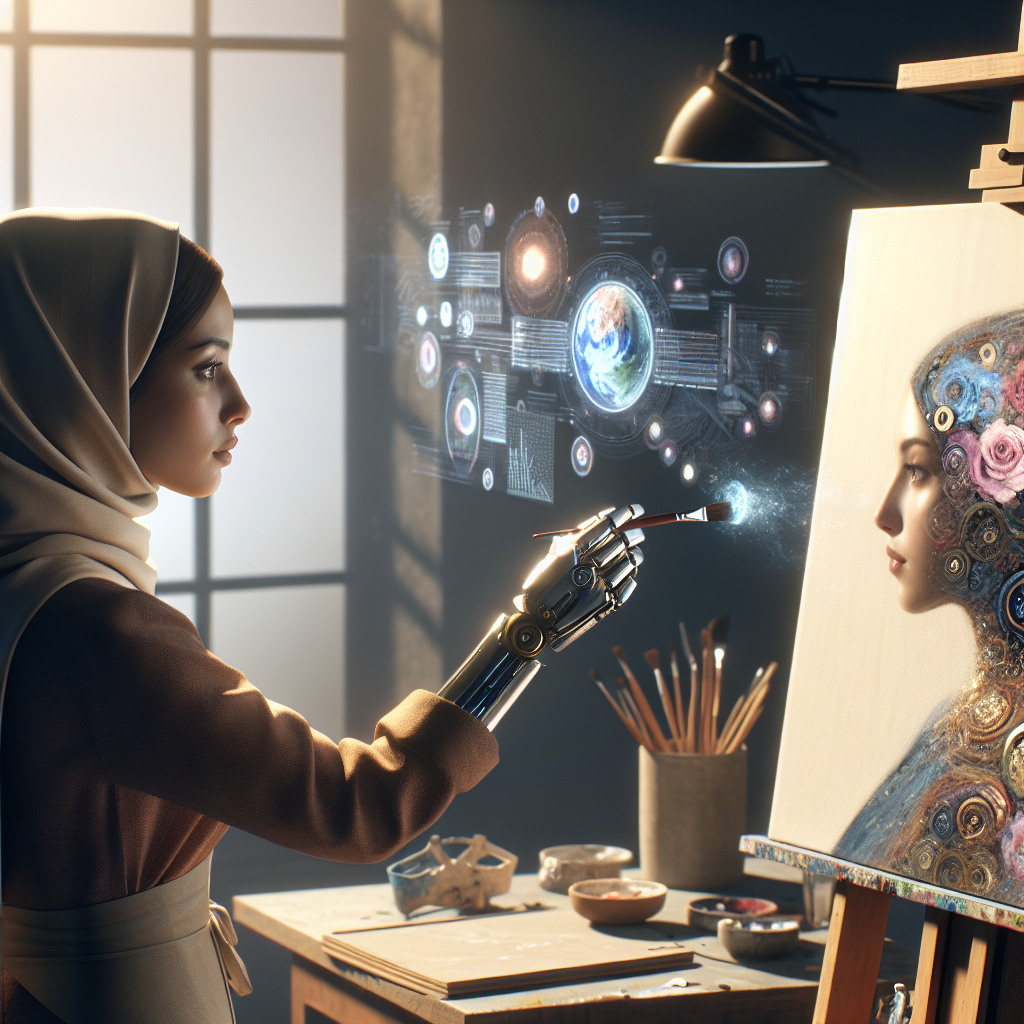
The landscape of art is undergoing a seismic shift, and at the heart of this transformation lies AI art. Artificial intelligence is no longer just a tool for automation; it’s becoming a partner in the creative process, offering new avenues for expression and innovation. Imagine transforming your wildest visions into stunning visuals with the help of algorithms and neural networks. This is the promise of AI, and it’s rapidly becoming a reality for artists and enthusiasts alike.
AI is democratizing creativity, making art creation accessible to individuals regardless of their technical skills or artistic background. With user-friendly interfaces and powerful capabilities, AI art generators are empowering a new generation of artists to explore their creative potential and push the boundaries of what’s possible.
Understanding AI Art: The Basics
AI art, at its core, involves using artificial intelligence algorithms to generate images, videos, music, or other creative works. These algorithms, often based on machine learning models like Generative Adversarial Networks (GANs) or diffusion models, are trained on vast datasets of existing artwork, enabling them to learn patterns, styles, and techniques.
– Generative Adversarial Networks (GANs): GANs consist of two neural networks, a generator and a discriminator, that compete against each other. The generator creates new images, while the discriminator tries to distinguish between real and generated images. This adversarial process leads to the creation of increasingly realistic and compelling artwork.
– Diffusion Models: Diffusion models work by gradually adding noise to an image until it becomes pure noise, and then learning to reverse this process to generate new images from the noise. This approach often results in high-quality and diverse outputs.AI art is not just about replicating existing styles; it’s about creating something entirely new. By combining different styles, generating variations, and exploring unexpected combinations, AI can help artists break free from traditional constraints and discover fresh perspectives.
Unlocking Your Creative Potential with AI
One of the most exciting aspects of AI art is its ability to empower individuals to explore their creative potential, regardless of their artistic background. Whether you’re a seasoned artist looking for new tools or a complete beginner with a passion for creativity, AI offers a range of options to suit your needs.
– Text-to-Image Generation: Simply describe your vision in words, and AI will generate an image based on your description. This is perfect for visualizing abstract concepts or bringing your imagination to life.
– Style Transfer: Apply the style of one image to another, allowing you to transform your photos into paintings or create unique artistic effects.
– Image Enhancement: Improve the quality of your images with AI-powered tools that can sharpen details, remove noise, and enhance colors.By experimenting with different AI tools and techniques, you can discover your own unique style and create artwork that reflects your personal vision. AI is not meant to replace human creativity but to augment it, providing new tools and possibilities for artistic expression.
Navigating the World of AI Art Generators
The market for AI art generators is rapidly expanding, with new tools and platforms emerging all the time. Here are some of the most popular and powerful AI art generators available today:
– Midjourney: Known for its stunningly realistic and detailed images, Midjourney is a favorite among artists and designers.
– DALL-E 2: Developed by OpenAI, DALL-E 2 is capable of generating highly creative and imaginative images from text prompts.
– Stable Diffusion: An open-source AI art generator that offers a high degree of customization and control.
– NightCafe Creator: A user-friendly platform that offers a variety of AI art generation methods and a vibrant community.When choosing an AI art generator, consider factors such as ease of use, image quality, customization options, and pricing. Many platforms offer free trials or basic versions, allowing you to experiment and find the tool that best suits your needs.
Ethical Considerations in AI Art
As AI art becomes more prevalent, it’s important to consider the ethical implications of this technology. One of the key concerns is copyright and ownership. Who owns the copyright to an image generated by AI? Is it the user who provided the prompt, the developers of the AI model, or the artists whose work was used to train the model?
Another important issue is the potential for bias in AI-generated art. If the AI model is trained on a dataset that is biased in terms of gender, race, or other characteristics, the resulting artwork may perpetuate those biases. It’s crucial to be aware of these potential biases and to take steps to mitigate them.
Transparency is also essential. Users should be aware of how the AI model works and what data it was trained on. This will help them make informed decisions about whether to use the tool and how to interpret the results. The legal landscape surrounding AI-generated content is still evolving, with ongoing debates about copyright, ownership, and the role of AI in creative processes. [https://copyrightalliance.org/](https://copyrightalliance.org/)
The Future of AI Art
The future of AI art is bright, with endless possibilities for innovation and creativity. As AI technology continues to advance, we can expect to see even more sophisticated and powerful AI art generators emerge. These tools will enable artists to create artwork that is more realistic, more imaginative, and more personalized than ever before.
AI will also play an increasingly important role in education and accessibility. AI-powered tools can help students learn about art history, explore different artistic techniques, and develop their own creative skills. AI can also make art more accessible to people with disabilities, allowing them to create and experience art in new ways.
The integration of AI into the art world is not without its challenges, but the potential benefits are immense. By embracing AI as a tool for creativity and innovation, we can unlock new possibilities for artistic expression and create a more vibrant and inclusive art world for all.
AI art is rapidly changing the creative landscape, offering unprecedented opportunities for artists and enthusiasts to explore new forms of expression and push the boundaries of what’s possible. From text-to-image generation to style transfer and image enhancement, AI tools are empowering individuals to unlock their creative potential and bring their visions to life. Embrace the power of AI and embark on a journey of artistic discovery today!
For more insights or collaboration opportunities, visit www.agentcircle.ai.