
Your cart is currently empty!
Category: Announcements
Announcements and general updates for the site and various projects
-
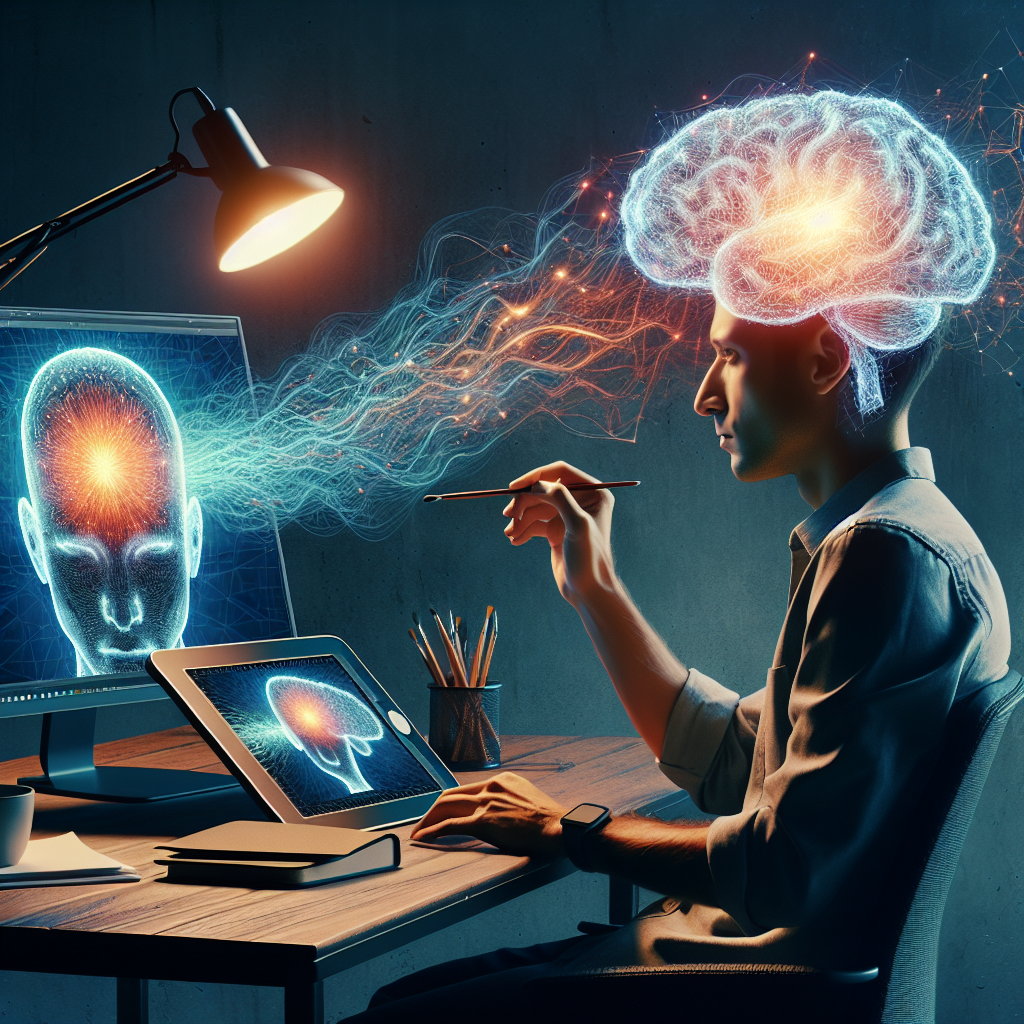
Unlock Your Inner Artist The AI Muse Arrives
Meta Description: Unleash your creative potential with AI art! Discover how AI tools are revolutionizing art, offering new possibilities for artists and enthusiasts alike.
The Dawn of the AI Art Revolution
Ever felt limited by your artistic skills, wishing you could bring your wildest visions to life? The world of art is undergoing a massive transformation, thanks to the rise of AI art. These tools are democratizing creativity, allowing anyone to generate stunning visuals, regardless of their drawing or painting abilities. But how exactly does this technology work, and what does it mean for the future of artistic expression?
AI art is more than just a trend; it’s a technological leap that’s reshaping how we create and interact with art. From simple image generation to complex, interactive installations, the possibilities are expanding every day.
Understanding AI’s Role in Creative Expression
At its core, AI art relies on sophisticated algorithms and machine learning models. These models are trained on vast datasets of images, learning to recognize patterns, styles, and compositions. When a user provides a prompt—a text description of what they want to create—the AI uses its knowledge to generate a corresponding image.
The Mechanics Behind the Magic
– Neural Networks: These are the backbone of AI art, mimicking the structure of the human brain to process and generate images.
– Generative Adversarial Networks (GANs): GANs involve two neural networks—a generator that creates images and a discriminator that evaluates their quality. This continuous feedback loop leads to increasingly realistic and creative outputs.
– Text-to-Image Synthesis: This technology allows users to input text prompts and receive corresponding images, opening up endless creative possibilities.Examples of AI Art in Action
– Digital Art: AI tools can create stunning digital paintings, illustrations, and graphic designs.
– Photography: AI can enhance and manipulate photographs, adding artistic effects and correcting imperfections.
– Music and Sound: While this article focuses on visual arts, it’s worth noting that AI is also used to compose music and generate soundscapes.
– Interactive Art Installations: AI-powered installations can respond to viewers’ movements and create dynamic, personalized art experiences.Unlocking Your Creative Potential with AI
One of the most exciting aspects of AI art is its ability to empower individuals who may not have traditional artistic skills. Whether you’re a seasoned artist looking for new tools or a complete beginner with a creative spark, AI can help you realize your visions.
Benefits of Using AI in Art
– Accessibility: AI art tools are often user-friendly and accessible to a wide range of users.
– Experimentation: AI allows you to quickly experiment with different styles, compositions, and ideas.
– Inspiration: AI can generate unexpected results, sparking new creative pathways and helping you overcome creative blocks.
– Efficiency: AI can automate certain tasks, freeing up artists to focus on the more creative aspects of their work.Getting Started with AI Art
– Choose the Right Tools: There are many AI art platforms available, each with its own strengths and weaknesses. Some popular options include DALL-E 2, Midjourney, and Stable Diffusion.
– Learn the Basics: Familiarize yourself with the basic concepts of AI art, such as prompts, parameters, and training data.
– Experiment and Iterate: The best way to learn is by doing. Start with simple prompts and gradually increase the complexity as you gain experience.
– Join Online Communities: Connect with other AI artists to share your work, get feedback, and learn from others.Navigating the Ethical Considerations of AI Art
As with any emerging technology, AI art raises important ethical questions. It’s crucial to consider these issues as we continue to develop and use these tools. According to a report by the Brookings Institute, policymakers need to develop a comprehensive approach to AI governance to deal with intellectual property concerns related to AI training data.
Copyright and Ownership
– Who owns the copyright to AI-generated art? This is a complex issue that is still being debated.
– Should AI-generated art be considered original work, or is it derivative of the training data?Bias and Representation
– AI models are trained on data, which can reflect existing biases in society. This can lead to biased or discriminatory outputs.
– It’s important to be aware of these biases and to take steps to mitigate them.The Role of the Artist
– Does AI art diminish the role of the human artist?
– Or does it simply provide a new tool for artists to use and collaborate with?The Future of Art: A Symbiotic Relationship Between Humans and AI
Looking ahead, the future of art likely involves a symbiotic relationship between humans and AI. AI will continue to evolve and become more sophisticated, but it will never completely replace human creativity and ingenuity.
How AI Will Shape the Art World
– Collaboration: Artists will increasingly collaborate with AI to create new and innovative works of art.
– Personalization: AI will enable personalized art experiences that cater to individual tastes and preferences.
– Accessibility: AI will make art more accessible to a wider audience, regardless of their background or abilities.
– New Forms of Expression: AI will unlock new forms of artistic expression that were previously unimaginable.Preparing for the Future
– Embrace lifelong learning: Stay up-to-date with the latest developments in AI and art.
– Develop new skills: Learn how to use AI tools and integrate them into your creative workflow.
– Foster collaboration: Connect with other artists and technologists to explore the possibilities of AI art.Ready to Explore the World of AI Art?
AI art is revolutionizing creative expression, offering new opportunities for artists and enthusiasts alike. By understanding the technology, exploring its potential, and navigating the ethical considerations, you can unlock your inner artist and contribute to this exciting new frontier. Don’t wait—start experimenting with AI art today and discover the endless possibilities.
For more insights or collaboration opportunities, visit www.MajesticVision.com.
-
Unlock Your Inner Artist The AI-Powered Muse Awaits
Can machines truly unlock the secrets of artistic expression? The rise of AI art is not just a technological marvel; it’s a profound shift in how we perceive creativity itself, with some experts predicting it could revolutionize the art world as we know it. Prepare to explore how artificial intelligence is becoming the muse of a new generation.
Understanding the AI Art Revolution
AI art is rapidly transforming the creative landscape, offering new tools and possibilities for artists and non-artists alike. It’s more than just a trend; it’s a fundamental change in how art is created, consumed, and appreciated.
How AI Generates Art
AI art generation relies on complex algorithms and machine learning models. These models are trained on vast datasets of images, allowing them to learn patterns, styles, and techniques. When prompted with a text description or an image, the AI can generate original artwork that reflects the learned information.
– Neural networks, particularly generative adversarial networks (GANs), are commonly used.
– GANs consist of two networks: a generator that creates images and a discriminator that evaluates their authenticity.
– Through continuous feedback, the generator improves its ability to produce realistic and creative outputs.The Accessibility of AI in Art
One of the most significant impacts of AI art is its accessibility. No longer is artistic creation limited to those with years of training or specialized skills. AI tools empower anyone to bring their visions to life, democratizing the creative process.
– User-friendly interfaces make AI art generation accessible to all.
– AI platforms offer a wide range of styles and techniques, catering to diverse artistic preferences.
– The cost of entry is significantly lower than traditional art forms, removing financial barriers to creativity.The Benefits of Using AI in Creative Expression
AI offers a plethora of benefits for both seasoned artists and newcomers. From sparking inspiration to streamlining workflows, AI tools are proving to be invaluable assets in the creative process.
Boosting Creativity and Overcoming Creative Blocks
AI can serve as a powerful source of inspiration, helping artists break through creative barriers and explore new ideas. By generating unexpected and novel images, AI can spark fresh perspectives and unlock hidden potential.
– AI can generate endless variations of a concept, providing artists with a wealth of options to explore.
– It can help artists visualize abstract ideas and concepts, making the creative process more tangible.
– AI can also identify patterns and trends in art, offering insights into emerging styles and techniques.Enhancing Efficiency and Streamlining Workflows
For professional artists, AI can significantly enhance efficiency and streamline workflows. Repetitive tasks, such as creating variations of a design or generating background elements, can be automated, freeing up artists to focus on more critical aspects of their work.
– AI can quickly generate prototypes and mockups, accelerating the design process.
– It can automate tedious tasks, such as image editing and retouching.
– AI can also assist with project management, helping artists stay organized and on schedule.Exploring New Artistic Styles and Techniques
AI enables artists to experiment with styles and techniques that might otherwise be inaccessible. By combining different artistic influences and generating unique visual effects, AI opens up new avenues for creative exploration.
– AI can emulate the styles of famous artists, allowing users to create artwork in the manner of Van Gogh or Picasso.
– It can generate surreal and abstract images that defy traditional artistic conventions.
– AI can also create entirely new artistic styles, pushing the boundaries of creative expression.Navigating the Ethical Considerations of AI Art
As AI art becomes more prevalent, it’s crucial to address the ethical considerations that arise. Copyright issues, the role of human creativity, and the potential for misuse are all important factors to consider.
Copyright and Ownership
One of the most pressing ethical concerns is the issue of copyright and ownership. Who owns the copyright to AI-generated art? Is it the AI developer, the user who prompted the AI, or does the artwork fall into the public domain?
– Current copyright laws are often unclear on the issue of AI-generated art.
– Some argue that the user who prompted the AI should own the copyright, as they provided the creative input.
– Others believe that the AI developer should have some claim to ownership, as they created the underlying technology.
– The U.S. Copyright Office has stated that AI-generated art without human authorship cannot be copyrighted. [https://www.copyright.gov/](https://www.copyright.gov/)The Role of Human Creativity
Another important question is the role of human creativity in AI art. Does AI art diminish the value of human-created art, or does it simply offer a new form of creative expression?
– Some argue that AI art lacks the emotional depth and personal expression of human-created art.
– Others believe that AI art is a collaborative effort between humans and machines, with each contributing their unique skills and perspectives.
– Ultimately, the value of AI art is subjective and depends on individual perspectives and preferences.Potential for Misuse
Like any technology, AI art has the potential for misuse. It could be used to create deepfakes, generate propaganda, or infringe on existing copyrights.
– It’s essential to develop ethical guidelines and regulations to prevent the misuse of AI art.
– Education and awareness are crucial to ensure that AI art is used responsibly and ethically.
– Transparency in AI art creation is also important, so that viewers are aware of the role of AI in the artwork.Practical Applications of AI Art Across Industries
AI art is not limited to the realm of fine art; it has numerous practical applications across various industries. From marketing and advertising to product design and education, AI art is transforming how businesses operate and engage with their audiences.
Marketing and Advertising
AI can be used to create personalized and engaging marketing materials, generate unique ad campaigns, and even design entire brand identities.
– AI can analyze customer data to create targeted ads that resonate with specific demographics.
– It can generate variations of ad creatives to optimize for different platforms and audiences.
– AI can also create interactive and immersive advertising experiences, such as virtual reality ads and augmented reality filters.Product Design and Development
AI can assist designers in generating new product ideas, creating prototypes, and optimizing designs for manufacturability.
– AI can analyze market trends and customer preferences to identify unmet needs and opportunities.
– It can generate 3D models of products based on design specifications.
– AI can also simulate the performance of products under different conditions, helping designers identify potential flaws and optimize designs for durability and efficiency.Education and Training
AI can be used to create interactive and engaging educational materials, personalize learning experiences, and provide students with individualized feedback.
– AI can generate customized learning content based on students’ individual needs and learning styles.
– It can provide real-time feedback on students’ work, helping them identify areas for improvement.
– AI can also create virtual simulations and interactive exercises that enhance learning and engagement.Getting Started with AI Art: Tools and Platforms
Ready to explore the world of AI art? Numerous tools and platforms are available, catering to different skill levels and creative goals. Here are a few popular options:
DALL-E 2
DALL-E 2, developed by OpenAI, is one of the most advanced and widely used AI art generators. It excels at creating highly detailed and realistic images from text descriptions.
– DALL-E 2 offers a user-friendly interface and a wide range of customization options.
– It can generate images in various styles, from photorealistic to abstract.
– DALL-E 2 also allows users to edit existing images, adding new elements or modifying existing ones.Midjourney
Midjourney is another popular AI art generator known for its artistic and dreamlike aesthetic. It is accessible through a Discord server, making it a collaborative and community-driven platform.
– Midjourney is particularly well-suited for creating surreal and imaginative artwork.
– It offers a wide range of artistic styles and customization options.
– Midjourney is constantly evolving, with new features and capabilities being added regularly.NightCafe Creator
NightCafe Creator is a free AI art generator that offers a variety of algorithms and customization options. It is a great option for beginners who want to experiment with AI art without investing in a paid subscription.
– NightCafe Creator offers a user-friendly interface and a wide range of tutorials and resources.
– It allows users to generate artwork using various algorithms, including VQGAN+CLIP and Stable Diffusion.
– NightCafe Creator also has a vibrant community of AI artists who share their work and provide feedback.AI art is not just a fleeting trend; it’s a powerful force that’s reshaping the creative landscape. By understanding its capabilities, ethical considerations, and practical applications, you can harness the power of AI to unlock your inner artist and explore new frontiers of creative expression. Embrace the AI-powered muse and discover the endless possibilities that await.
For more insights or collaboration opportunities, visit www.MajesticVision.com.
-
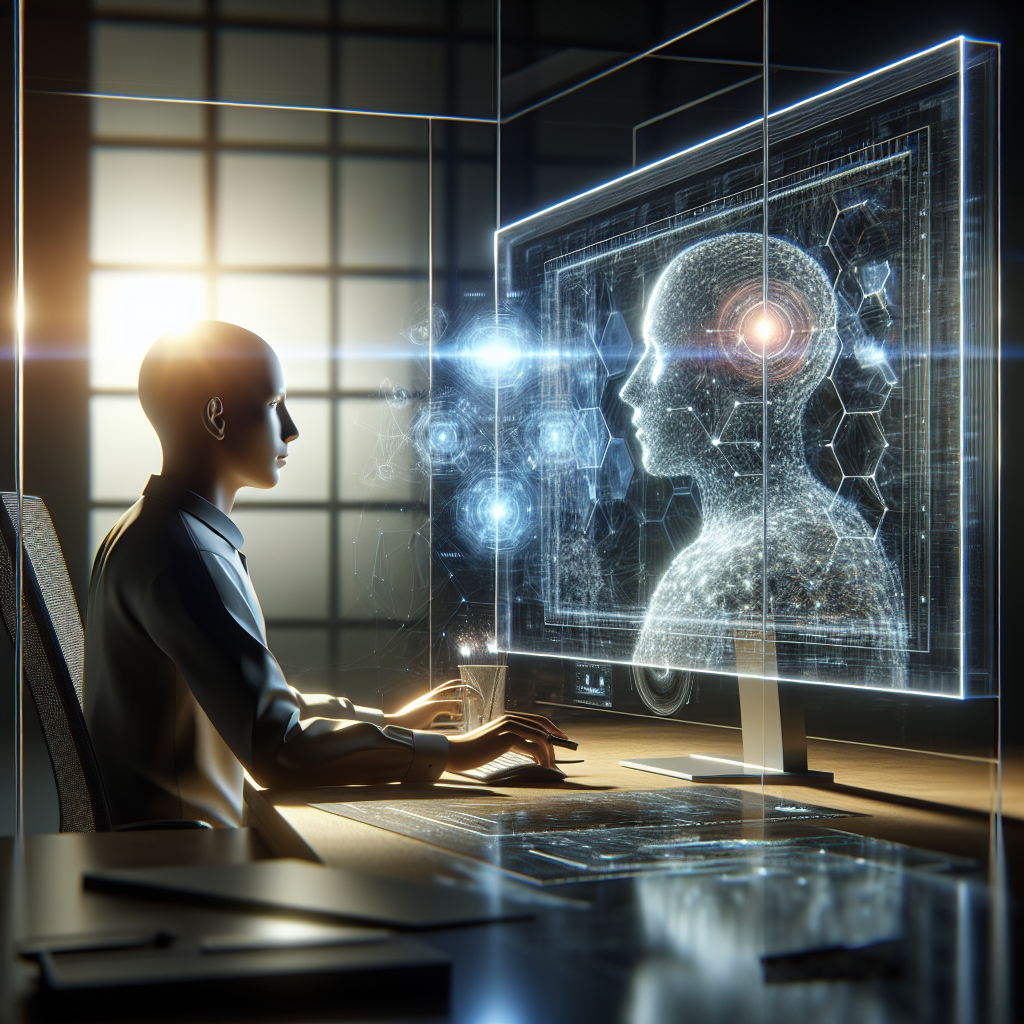
Unlock Your Inner Genius Partnering with AI Minds
Are you ready to unlock a new level of creativity and problem-solving? The future isn’t about humans versus machines; it’s about humans *with* machines. Harnessing the power of AI collaboration is no longer a futuristic fantasy but a present-day necessity for those looking to stay ahead.
The Untapped Potential of AI Collaboration
We often think of artificial intelligence as a replacement for human tasks, but a more exciting and impactful reality is emerging: AI as a partner. True innovation lies in understanding how AI and humans can work together, amplifying each other’s strengths and mitigating weaknesses. This synergy creates opportunities for breakthroughs that neither could achieve alone.
Boosting Human Creativity with AI
AI can serve as a powerful muse, sparking new ideas and perspectives. It can analyze vast datasets to identify patterns and connections that humans might miss, leading to innovative solutions.
– AI algorithms can generate design variations, providing a range of options for human designers to refine.
– AI can analyze market trends and customer preferences, informing product development and marketing strategies.
– By automating tedious tasks, AI frees up human creativity to focus on higher-level strategic thinking and innovation.For example, in the field of drug discovery, AI algorithms can sift through millions of compounds to identify potential drug candidates, significantly accelerating the research process. This AI collaboration allows researchers to focus on experimental validation and clinical trials.
Enhancing Problem-Solving with AI Minds
Complex problems require diverse perspectives and analytical capabilities. AI excels at processing and analyzing large amounts of data, identifying patterns, and generating potential solutions. When combined with human intuition, critical thinking, and domain expertise, the results can be extraordinary.
AI as a Cognitive Partner
AI is not just a tool but a genuine partner that can augment human cognitive abilities.
– AI can provide real-time insights and recommendations, supporting better decision-making in complex situations.
– AI can help identify biases and blind spots in human thinking, leading to more objective and rational outcomes.
– AI can personalize learning experiences, adapting to individual needs and learning styles.For instance, in the financial industry, AI algorithms can detect fraudulent transactions in real time, protecting consumers and businesses from financial losses. Human analysts can then focus on investigating the most complex cases, combining their expertise with AI-driven insights.
Practical Strategies for Successful AI Collaboration
To truly unlock the potential of AI collaboration, it’s essential to implement practical strategies that foster effective teamwork between humans and machines. This requires a shift in mindset, a willingness to experiment, and a focus on continuous learning.
Building a Collaborative Ecosystem
Creating a collaborative ecosystem involves several key steps:
1. Define Clear Roles and Responsibilities: Clearly delineate the roles of humans and AI in each task or project.
2. Invest in Training and Education: Equip your team with the skills and knowledge needed to work effectively with AI.
3. Foster Open Communication: Encourage open dialogue between humans and AI, ensuring that insights are shared and understood.Ethical Considerations in AI Collaboration
As AI becomes more integrated into our workflows, it’s crucial to address the ethical implications. This includes ensuring fairness, transparency, and accountability in AI algorithms, as well as protecting privacy and security. Collaboration with AI must be guided by ethical principles to ensure responsible and beneficial outcomes.
– Implement bias detection and mitigation techniques.
– Establish clear guidelines for data usage and privacy.
– Promote transparency in AI decision-making processes.
– Conduct regular audits to ensure ethical compliance.The Future of Work: Human-AI Teams
The future of work is not about replacing humans with AI, but rather about creating human-AI teams that can achieve more together than either could alone. This requires a new approach to talent development, organizational structure, and leadership.
Embracing Continuous Learning
The skills required for the future of work are constantly evolving. To stay ahead, individuals and organizations must embrace continuous learning and adaptation. This includes developing skills in areas such as data analysis, AI ethics, and human-machine collaboration.
– Encourage employees to pursue ongoing training and development opportunities.
– Foster a culture of experimentation and innovation.
– Stay informed about the latest advancements in AI and related fields.For example, universities and online learning platforms are increasingly offering courses and certifications in AI and data science, providing individuals with the skills they need to succeed in the AI-driven economy. MIT offers comprehensive AI courses that delve into machine learning and its real-world applications, ensuring professionals are well-equipped for AI collaboration [https://www.mit.edu/](https://www.mit.edu/).
Overcoming Challenges in AI Partnership
While the potential of AI collaboration is immense, there are also challenges that must be addressed to ensure successful implementation. These challenges include data quality, integration complexity, and resistance to change.
Addressing Data Quality Issues
AI algorithms are only as good as the data they are trained on. Poor data quality can lead to inaccurate predictions and biased outcomes. To address this challenge, organizations must invest in data quality management practices, including data cleansing, validation, and governance.
– Implement data quality monitoring tools and processes.
– Establish clear data governance policies and procedures.
– Train employees on data quality best practices.Managing Integration Complexity
Integrating AI into existing systems and workflows can be complex and time-consuming. To simplify the integration process, organizations should adopt a modular and scalable approach, leveraging APIs and cloud-based services.
– Use pre-built AI models and tools whenever possible.
– Adopt a microservices architecture for greater flexibility and scalability.
– Leverage cloud-based platforms for AI development and deployment.Unlock your true potential by embracing the power of AI collaboration. From boosting creativity to enhancing problem-solving, the benefits are undeniable. The future belongs to those who can harness the power of human-AI teams.
For more insights or collaboration opportunities, visit www.MajesticVision.com.
-
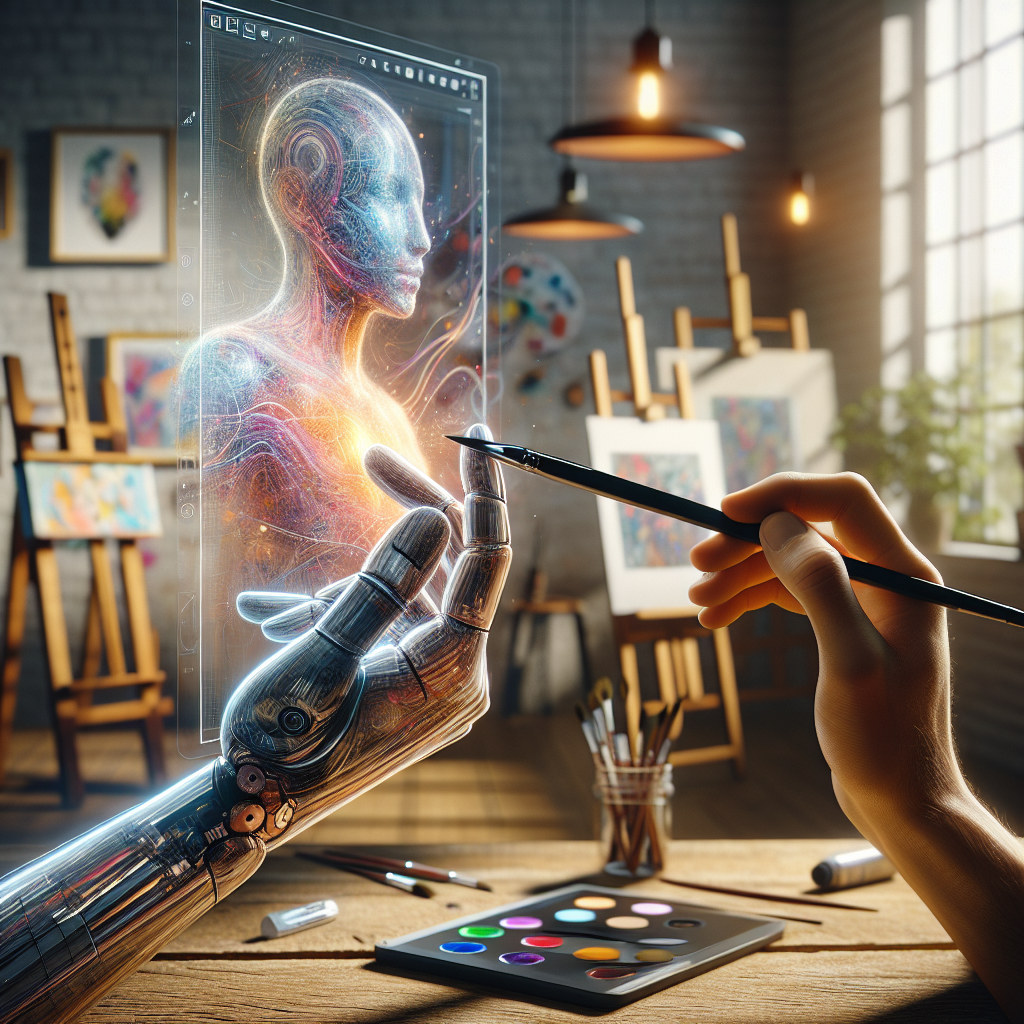
Unlock Your Inner Artist The AI Art Revolution is Here
Meta description: Discover the AI art revolution! Unleash your creative potential with AI tools. Learn how to make stunning art and explore new possibilities now.
The Dawn of Digital Renaissance
Ever imagined creating breathtaking artwork without years of training? What if cutting-edge technology could unlock your inner artist? AI art is rapidly changing creative expression, democratizing art creation and opening doors for anyone to produce stunning visuals. Imagine a world where your imagination is the only limit.
A New Era of Creative Tools
The rise of AI art is not just a trend; it’s a transformative shift. AI tools are now so advanced that they can generate unique images from simple text prompts. This means that anyone, regardless of their artistic skill, can produce visually appealing and thought-provoking art. These tools are designed to be user-friendly, making artistic expression accessible to everyone.
Democratizing Artistic Expression
One of the most significant impacts of AI art is its ability to level the playing field. Traditionally, creating art required years of practice and specialized skills. However, AI tools empower individuals to explore their creative ideas without these barriers. Whether you’re a seasoned artist or a complete beginner, AI offers a fresh and exciting way to bring your visions to life.
Exploring the World of AI Art Generators
With so many AI art generators available, it can be overwhelming to choose the right one. Each platform offers unique features and capabilities, catering to different artistic styles and needs. Understanding these options can help you find the perfect tool to unleash your creativity.
Top AI Art Platforms
– DALL-E 2: Known for its impressive ability to create realistic and imaginative images from text descriptions, DALL-E 2 is a popular choice for generating high-quality art.
– Midjourney: This AI excels at producing dreamlike and surreal visuals, perfect for artists looking to create unique and captivating pieces.
– Stable Diffusion: As an open-source platform, Stable Diffusion offers a high degree of customization and control, making it ideal for users who want to fine-tune their AI art.How AI Transforms Ideas into Visuals
The process of creating AI art begins with a simple text prompt. You provide a description of what you want to see, and the AI algorithms work their magic to generate an image based on your input. These algorithms use deep learning techniques, analyzing vast amounts of data to understand and replicate different art styles and compositions. The more detailed and specific your prompt, the more refined and accurate the resulting artwork will be.
Mastering the Art of Prompt Engineering
Prompt engineering is the key to unlocking the full potential of AI art generators. By crafting precise and creative prompts, you can guide the AI to produce exactly the kind of art you envision.
Crafting Effective Prompts
– Be Specific: The more detail you include in your prompt, the better the AI can understand your vision. For example, instead of just saying “a cat,” try “a fluffy orange cat wearing a top hat, sitting in a cozy armchair.”
– Use Descriptive Adjectives: Adding descriptive adjectives can help the AI capture the mood and style you’re aiming for. Think about words like “vibrant,” “ethereal,” “futuristic,” or “romantic.”
– Experiment with Styles: Mentioning specific art styles or artists can influence the AI’s output. Try prompts like “in the style of Van Gogh” or “a digital painting in a cyberpunk style.”Iterating and Refining Your Creations
Creating AI art is often an iterative process. Don’t be afraid to experiment with different prompts and refine your creations until you achieve the desired result. Most AI art platforms allow you to make subtle adjustments to the generated images, further customizing them to your liking.
The Impact of AI Art on Traditional Art
The rise of AI art has sparked debates about its role in the broader art world. While some see it as a threat to traditional artists, others view it as a powerful tool that can enhance and augment human creativity.
AI as a Tool for Artists
Rather than replacing human artists, AI can serve as a valuable tool that enhances their creative process. Artists can use AI to generate initial concepts, experiment with different styles, or overcome creative blocks. By integrating AI into their workflow, artists can explore new possibilities and push the boundaries of their art.
Copyright and Ownership Considerations
One of the complex issues surrounding AI art is the question of copyright and ownership. Who owns the copyright to an image generated by AI? This is an evolving area of law, and different jurisdictions may have different interpretations. As AI art becomes more prevalent, it’s important to understand the legal implications and ensure that you are using these tools responsibly and ethically. The U.S. Copyright Office has provided some guidance on this topic, clarifying that copyright protection generally applies to works created by humans, not AI itself (https://www.copyright.gov/).
The Future of AI and Creative Expression
The AI art revolution is just beginning, and the future holds even more exciting possibilities. As AI technology continues to advance, we can expect to see even more sophisticated and intuitive tools that empower individuals to express their creativity in new and innovative ways.
Emerging Trends in AI Art
– Interactive AI Art: Imagine art that responds to your movements or emotions. Interactive AI installations are becoming increasingly popular, creating immersive and engaging experiences for viewers.
– AI-Generated Music and Soundscapes: AI is not limited to visual art. It’s also being used to create original music and soundscapes, opening up new avenues for creative expression in the audio realm.
– Personalized Art Experiences: AI can analyze your preferences and generate art tailored specifically to your tastes. This could lead to highly personalized art experiences that resonate deeply with individuals.Preparing for a World Shaped by AI
As AI becomes increasingly integrated into our lives, it’s important to embrace its potential while also addressing the ethical and societal challenges it presents. By staying informed and engaged, we can ensure that AI is used to enhance human creativity and promote a more inclusive and vibrant art world.
The AI art revolution is here, offering unprecedented opportunities for creative expression. By understanding the tools, mastering prompt engineering, and embracing the evolving landscape of art, you can unlock your inner artist and create stunning visuals that reflect your unique vision. The possibilities are limitless, and the journey is just beginning.
For more insights or collaboration opportunities, visit www.MajesticVision.com.
-
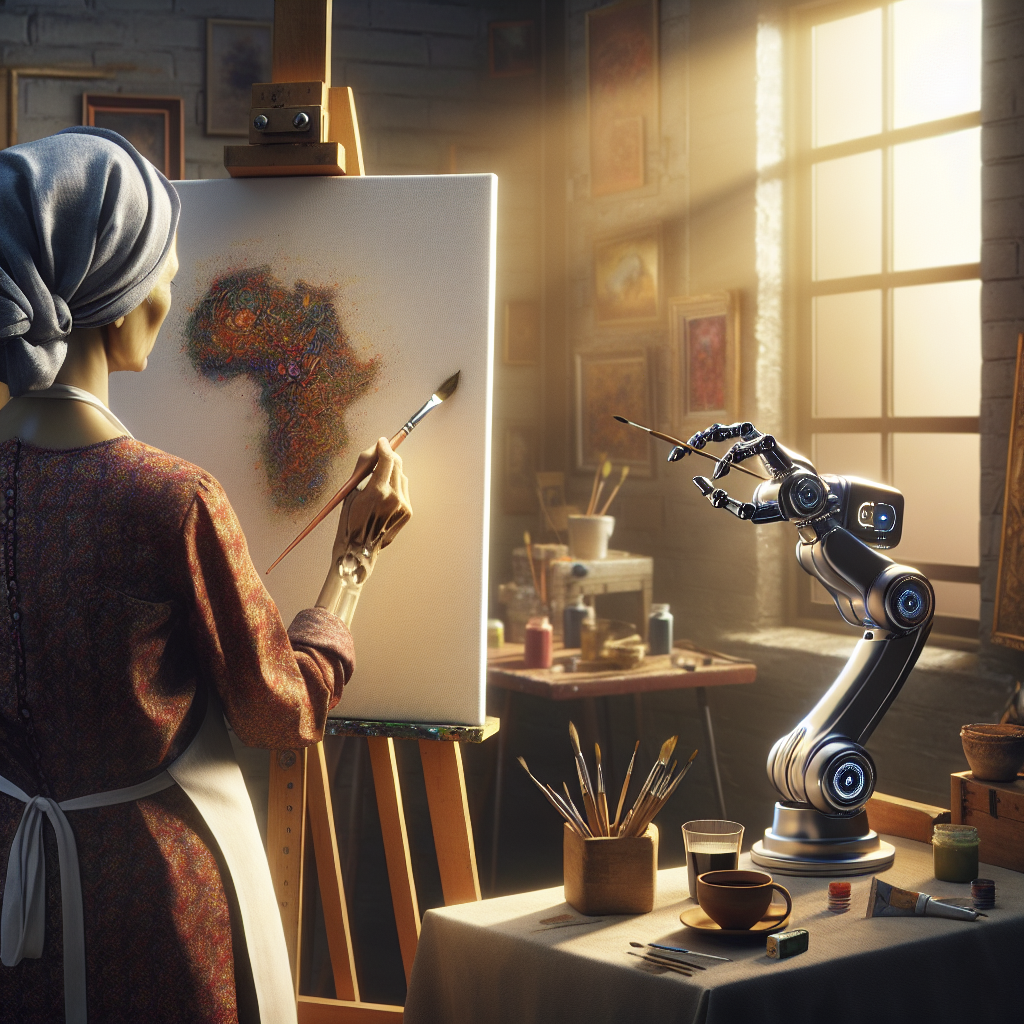
Unlock Your Inner Artist How AI Sparks Creative Genius
Meta description: Unleash your creativity with AI! Discover how AI art tools can spark inspiration, break creative blocks, and help you create stunning visuals.
Can AI Really Unlock Your Creative Potential?
Are you feeling stuck in a creative rut? Or maybe you’re an experienced artist looking for new ways to push your boundaries? The rise of AI art generators offers a revolutionary path to unlock your inner artist. The ability of AI to generate unique, visually stunning images opens new doors for creativity, and its potential is only beginning to be explored.
The integration of AI in creative fields is not about replacing human artists; it’s about augmenting their capabilities. AI tools can serve as powerful brainstorming partners, idea generators, and efficient production assistants, freeing up artists to focus on the core aspects of their vision and artistic expression.
Overcoming Creative Blocks with AI Assistance
AI as a Muse: Finding Inspiration
Creative blocks can be frustrating and debilitating. AI art tools offer an innovative way to overcome these hurdles by providing fresh perspectives and unexpected ideas. By inputting specific keywords, themes, or even abstract concepts, AI algorithms can generate a multitude of visual outputs that can spark new directions for your art.
– Experiment with diverse AI art styles.
– Use AI to create mood boards and visual references.
– Explore unexpected AI-generated combinations of themes and concepts.Rapid Prototyping and Idea Generation
AI allows for the rapid prototyping of artistic ideas, enabling artists to quickly visualize and refine their concepts. Instead of spending hours on initial sketches, you can use AI to generate multiple variations of an idea in minutes, allowing you to iterate and refine your vision with unprecedented speed. This capability is particularly useful for designers, illustrators, and anyone who needs to quickly explore different visual options.
– Quickly generate variations of a concept.
– Test different color palettes and compositions.
– Refine AI outputs to match your artistic vision.Transforming Text into Visual Masterpieces
One of the most fascinating applications of AI art is its ability to translate textual descriptions into visual imagery. Imagine describing a surreal landscape or an abstract emotion and watching AI bring it to life on the screen. This capability opens up new avenues for artists to explore the relationship between language and visual art.
Exploring Diverse AI Art Styles
The world of AI art is incredibly diverse, offering a wide range of styles and techniques that artists can leverage.
Mimicking Artistic Movements
AI algorithms can be trained to emulate the styles of famous artists and art movements. For example, you can generate images in the style of Van Gogh, Picasso, or Monet, allowing you to explore the aesthetic principles of these masters and incorporate them into your own work.
– Generate art in the style of Impressionism, Cubism, or Surrealism.
– Study the techniques of famous artists through AI-generated imitations.
– Combine different artistic styles for unique visual effects.Creating Unique Abstract Art
AI excels at generating abstract art, producing intricate patterns, textures, and compositions that can be both visually stunning and intellectually stimulating. These AI-generated abstractions can serve as a starting point for further artistic exploration or stand alone as unique works of art.
– Experiment with different color palettes and compositions.
– Use AI to create textures and patterns for your art.
– Explore the emotional impact of abstract forms and colors.Photo-Realistic Art Generation
AI can also create photo-realistic images that are indistinguishable from real photographs. This capability has numerous applications, from creating realistic visualizations for architectural projects to generating high-quality images for marketing and advertising.
– Generate realistic landscapes, portraits, and product mockups.
– Use AI to enhance the quality and resolution of existing images.
– Create virtual environments for gaming and virtual reality.Ethical Considerations of AI Art
As AI art becomes more prevalent, it’s essential to address the ethical considerations surrounding its use.
Copyright and Ownership
One of the key ethical questions is who owns the copyright to AI-generated art. Is it the user who provided the prompts, the developers of the AI algorithm, or does the artwork fall into the public domain? This issue is still being debated and litigated, and it’s essential to understand the legal implications before using AI art for commercial purposes. Intellectual property law firm Von Briesen & Roper, s.c. explores the complexities of AI and copyright law, emphasizing the need for clarity as AI-generated content becomes more prevalent. [https://www.vonbriesen.com/newsroom-detail/artificial-intelligence-and-copyright-law]
Authenticity and Originality
Another concern is the authenticity and originality of AI art. If an AI algorithm is trained on existing artworks, can the resulting output be considered truly original? This question challenges our traditional notions of creativity and authorship.
Avoiding Bias in AI Art
AI algorithms can inherit biases from the data they are trained on, leading to skewed or discriminatory outputs. It’s essential to be aware of these biases and take steps to mitigate them, ensuring that AI art reflects diverse perspectives and avoids perpetuating harmful stereotypes.
Future Trends in AI and Creativity
The intersection of AI and creativity is a rapidly evolving field, with new developments and applications emerging all the time.
Personalized AI Art Assistants
In the future, we can expect to see personalized AI art assistants that learn our individual styles and preferences. These AI companions will be able to provide tailored suggestions, generate customized content, and collaborate with us on our creative projects.
AI-Driven Collaborative Art
AI will also facilitate collaborative art projects, enabling artists from different disciplines and backgrounds to work together seamlessly. AI algorithms can analyze and synthesize different artistic styles, generating hybrid artworks that blend diverse perspectives and techniques.
AI as a Creative Educator
AI can also serve as a valuable tool for creative education, providing personalized feedback, generating practice exercises, and adapting to individual learning styles. AI-powered tutoring systems can help aspiring artists develop their skills and unlock their creative potential.
Unleash Your Inner Artist Today
The potential of AI to spark creative genius is undeniable. Whether you’re an experienced artist looking for new tools or someone who’s always wanted to explore their creative side, AI offers a powerful and accessible way to unlock your inner artist. By embracing AI art, you can break through creative blocks, explore new styles, and push the boundaries of your imagination.
Ready to embark on your AI-powered creative journey? Explore our services and discover how AI can revolutionize your artistic process. For more insights or collaboration opportunities, visit www.MajesticVision.com.
-
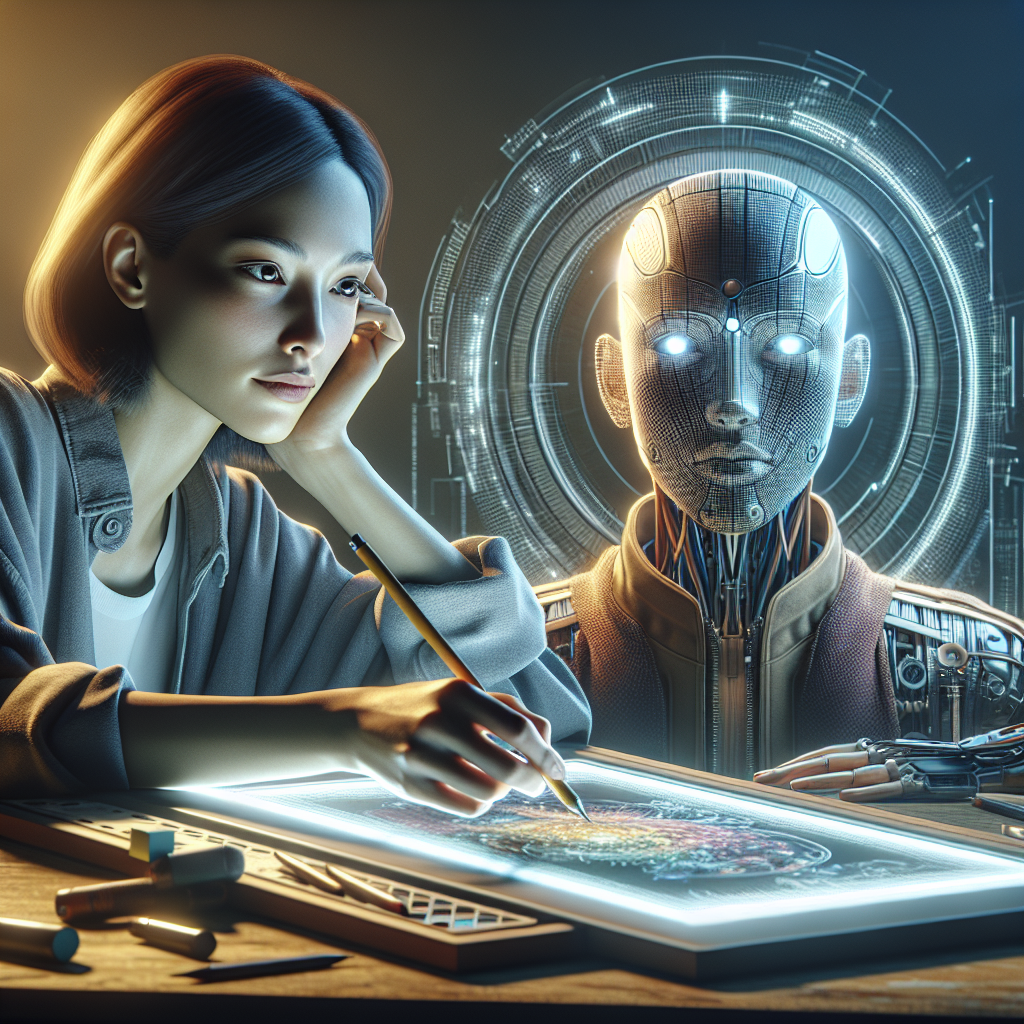
Unleash Your Inner Artist AI-Powered Creativity in 2025
Meta Description: Explore the booming world of AI art in 2025. Discover tools, techniques, and creative possibilities to unleash your inner artist.
Did you ever imagine creating stunning visuals with just a few prompts? In 2025, the reality of AI art has exploded, empowering anyone to become an artist, regardless of their skills. This technology is not just a trend; it’s a revolution, transforming how we perceive and create art.
The Evolution of AI Art: What to Expect in 2025
AI art has made monumental strides in recent years, and by 2025, we can expect even more sophisticated and accessible tools. From advanced image generation to personalized artistic styles, the possibilities are boundless. This evolution is democratizing art creation, making it accessible to everyone.
– Improved Realism: Expect AI to generate images with unparalleled realism, blurring the lines between digital and physical art.
– Style Transfer: More refined algorithms will allow users to seamlessly transfer styles from famous artists or even their own sketches.
– Enhanced Resolution: Higher resolution outputs mean AI art can be used for professional applications, from advertising to film.Accessibility and User-Friendliness
One of the most significant advancements in AI art is its increased accessibility. By 2025, user interfaces will be more intuitive, allowing users with little to no technical expertise to create stunning visuals. This democratization opens doors for new creators and innovative applications.
– Simplified Interfaces: Drag-and-drop interfaces and natural language prompts will make AI art tools easier to use.
– Mobile Applications: Robust mobile apps will allow artists to create and edit on the go.
– Community Platforms: Integrated platforms will enable users to share their creations, collaborate, and learn from each other.Top AI Art Tools and Platforms in 2025
Several AI art tools and platforms are leading the way in 2025, each offering unique features and capabilities. These platforms cater to various skill levels and creative needs, making AI art accessible to a broad audience.
– DeepDream Generator: Known for its psychedelic and dreamlike imagery, DeepDream Generator remains a favorite for experimental artists.
– Artbreeder: Allows users to “breed” images together, creating entirely new and unique artworks through genetic algorithms.
– DALL-E 3: OpenAI’s DALL-E 3 sets a new standard for AI image generation, offering incredible detail and coherence based on text prompts.
– Midjourney: Famous for its artistic and often surreal outputs, Midjourney is a community-driven platform that emphasizes collaboration and experimentation.Choosing the Right Tool for Your Needs
Selecting the right AI art tool depends on your specific goals and skill level. Consider factors such as ease of use, available features, community support, and pricing when making your decision. Many platforms offer free trials or basic versions, allowing you to experiment before committing to a subscription.
– Identify Your Goals: Are you looking to create photorealistic images, abstract art, or something in between?
– Consider Your Skill Level: Some tools are more user-friendly than others, so choose one that matches your technical expertise.
– Explore Community Support: A strong community can provide valuable tips, tutorials, and inspiration.Unlocking Your Creative Potential with AI
AI art is more than just a tool; it’s a creative partner that can help you unlock your artistic potential. By experimenting with different prompts, styles, and techniques, you can discover new ways to express yourself and bring your ideas to life.
– Experiment with Prompts: Try using descriptive and evocative language to guide the AI.
– Explore Different Styles: Don’t be afraid to experiment with various artistic styles, from Impressionism to cyberpunk.
– Iterate and Refine: AI art is an iterative process, so keep refining your prompts and settings until you achieve the desired result.Overcoming Creative Blocks
AI can also help overcome creative blocks by providing fresh ideas and unexpected perspectives. By inputting a simple prompt, you can generate a range of images that spark new inspiration and help you break free from creative ruts.
– Use AI for Brainstorming: Generate images based on abstract concepts or themes to stimulate your imagination.
– Remix and Combine: Use AI to combine different elements and styles, creating unexpected and innovative results.
– Collaborate with AI: Treat the AI as a creative partner, experimenting with its suggestions and building upon its outputs.Ethical Considerations in AI Art
As AI art becomes more prevalent, it’s essential to consider the ethical implications. Issues such as copyright, ownership, and the potential displacement of human artists need careful consideration and discussion. Addressing these concerns will ensure that AI art is developed and used responsibly.
– Copyright and Ownership: Clarifying the ownership of AI-generated art is crucial for protecting artists and creators. The legal landscape is still evolving, but understanding current regulations is essential. For example, in the U.S., the Copyright Office has generally held that AI-generated art without significant human input cannot be copyrighted [Learn more at the U.S. Copyright Office](https://www.copyright.gov/).
– Attribution and Transparency: Properly attributing AI-generated art is essential for transparency and ethical practice. Clearly indicating when AI has been used in the creation process helps maintain trust and integrity.
– Bias and Representation: AI models are trained on data, and if that data contains biases, the resulting art may perpetuate those biases. Actively working to mitigate bias in AI algorithms is crucial for ensuring fair and equitable representation.The Impact on Human Artists
While AI art offers new opportunities, it also raises concerns about the potential impact on human artists. However, rather than replacing artists, AI is more likely to augment their abilities, allowing them to create more efficiently and explore new creative avenues.
– Augmentation, Not Replacement: AI can assist artists with repetitive tasks, allowing them to focus on more creative aspects of their work.
– New Creative Avenues: AI opens up new possibilities for artistic expression, enabling artists to explore styles and techniques they might not have otherwise considered.
– Collaboration and Co-creation: Artists can collaborate with AI, using it as a tool to enhance their creativity and bring their visions to life.The Future of AI Art
The future of AI art is bright, with endless possibilities for innovation and creativity. As AI technology continues to advance, we can expect even more sophisticated tools and applications that will transform the way we create and experience art.
– Integration with Other Technologies: Expect AI art to integrate seamlessly with virtual reality (VR), augmented reality (AR), and other emerging technologies.
– Personalized Art Experiences: AI will enable personalized art experiences tailored to individual preferences and tastes.
– New Forms of Artistic Expression: AI will inspire new forms of artistic expression that were previously unimaginable.Preparing for the AI Art Revolution
To prepare for the AI art revolution, it’s essential to stay informed about the latest developments, experiment with different tools, and embrace the possibilities that AI offers. By doing so, you can position yourself at the forefront of this exciting new frontier.
– Stay Informed: Follow industry news, attend conferences, and join online communities to stay up-to-date on the latest AI art trends.
– Experiment with Tools: Try out different AI art platforms and tools to find the ones that best suit your needs and interests.
– Embrace the Possibilities: Be open to new ideas and approaches, and don’t be afraid to experiment with AI in unconventional ways.The rise of AI art in 2025 presents an unprecedented opportunity to unleash your inner artist. By understanding the tools, techniques, and ethical considerations, you can harness the power of AI to create stunning visuals and explore new realms of artistic expression. The future of art is here, and it’s more accessible and exciting than ever before.
For more insights or collaboration opportunities, visit www.MajesticVision.com.
-
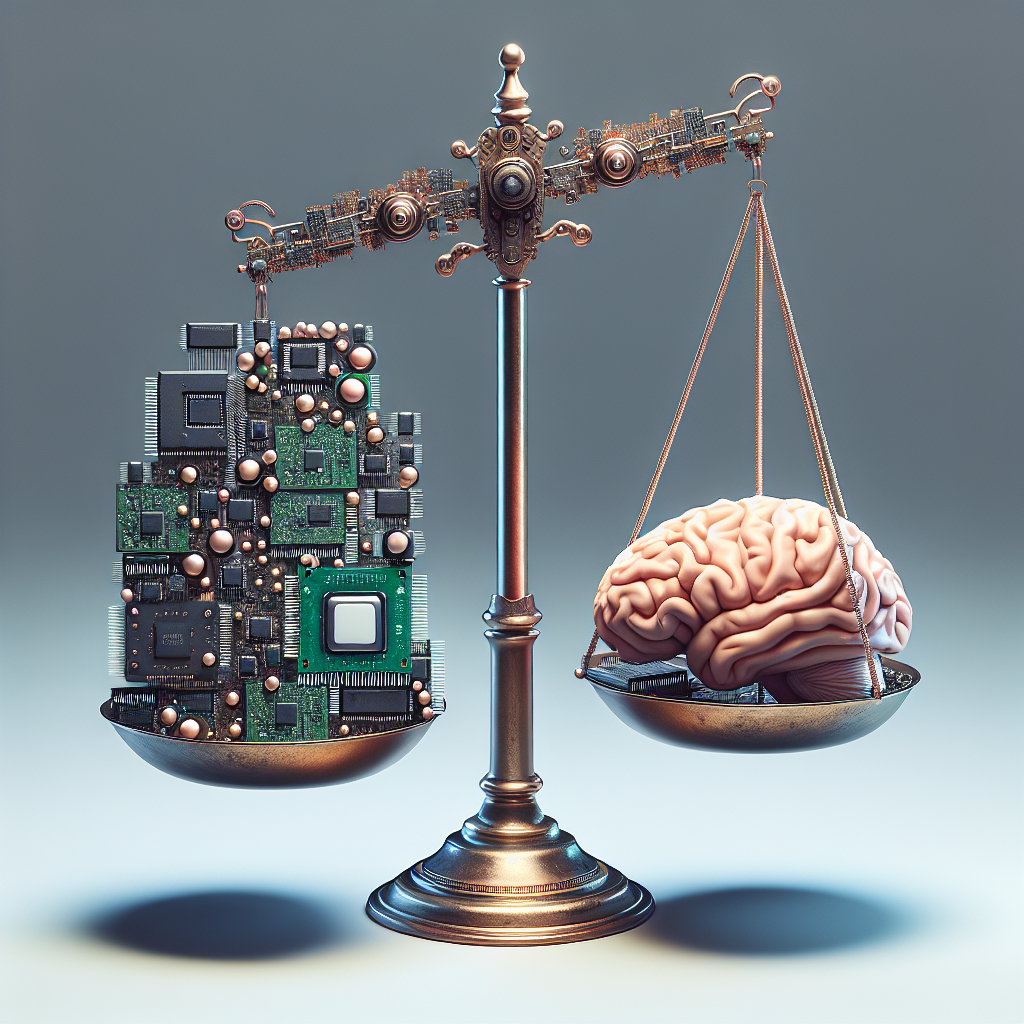
Can AI Really Be Fair? Unpacking Bias in the Algorithm 2025
Can AI really be fair, or are we simply automating existing societal biases? The rise of artificial intelligence has sparked incredible innovation, but it has also unveiled a troubling reality: AI bias. As algorithms increasingly shape our lives, from loan applications to criminal justice, understanding and mitigating this bias is more critical than ever in 2025.
Understanding AI Bias: Where Does It Come From?
AI bias isn’t a glitch in the system; it’s often a reflection of the data used to train these algorithms. If the data contains historical prejudices or imbalances, the AI will learn and perpetuate them. Understanding the sources of this bias is the first step toward creating fairer AI systems.
Data Bias: The Foundation of the Problem
The quality and representativeness of training data are paramount. If the data predominantly features one demographic group, the AI will likely perform better for that group while underperforming or even discriminating against others. For example, if a facial recognition system is trained primarily on images of light-skinned individuals, it may struggle to accurately identify people with darker skin tones. This isn’t a flaw in the algorithm itself but a consequence of biased data.
– Data collection methods can also introduce bias. If data is gathered from a limited geographical area or specific online communities, it may not accurately represent the broader population.
– Historical biases present in the data are another significant concern. For instance, if historical hiring data shows a preference for male candidates in certain roles, an AI trained on this data might perpetuate this bias, even if gender isn’t explicitly included as a feature.Algorithmic Bias: The Code Itself
While data bias is a primary contributor, the algorithms themselves can also introduce or amplify biases. The choice of features, the design of the model, and the optimization criteria can all inadvertently lead to unfair outcomes.
– Feature selection involves choosing which variables to include in the model. If certain features are correlated with protected characteristics like race or gender, using them can lead to discriminatory outcomes.
– Model complexity can also play a role. Overly complex models may pick up on spurious correlations in the data, leading to biased predictions. Simpler models, while potentially less accurate overall, may be more robust and less prone to bias.
– Optimization criteria, such as accuracy, can sometimes mask underlying biases. If the AI is optimized to maximize overall accuracy, it may do so at the expense of fairness for certain groups.Real-World Examples of AI Bias in Action
The consequences of AI bias are far-reaching, impacting various aspects of our lives. Examining real-world examples highlights the urgency of addressing this issue.
– **Criminal Justice:** AI-powered risk assessment tools are used to predict the likelihood of recidivism. Studies have shown that these tools can be biased against certain racial groups, leading to unfair sentencing and parole decisions.
– **Hiring Processes:** AI is increasingly used to screen resumes and conduct initial interviews. However, these systems can perpetuate gender and racial biases, filtering out qualified candidates from underrepresented groups. Amazon scrapped its AI recruiting tool after discovering it was biased against women.
– **Loan Applications:** Algorithms are used to assess creditworthiness and determine loan eligibility. Biased algorithms can deny loans to qualified individuals from certain demographic groups, perpetuating economic inequalities.
– **Healthcare:** AI is being used to diagnose diseases and recommend treatments. However, biased data can lead to misdiagnosis or inappropriate treatment recommendations for certain patient populations.Ethical Frameworks for Mitigating AI Bias
Addressing AI bias requires a multi-faceted approach, including ethical frameworks, technical solutions, and ongoing monitoring. Establishing clear ethical guidelines is essential for guiding the development and deployment of AI systems.
– **Fairness Metrics:** Defining and measuring fairness is crucial. Various fairness metrics exist, each with its own strengths and limitations. These include statistical parity, equal opportunity, and predictive parity. Choosing the appropriate metric depends on the specific context and the values being prioritized.
– **Transparency and Explainability:** Understanding how AI systems make decisions is essential for identifying and mitigating bias. Techniques like explainable AI (XAI) can help shed light on the inner workings of these algorithms.
– **Accountability and Oversight:** Establishing clear lines of accountability is critical. Organizations should be responsible for the fairness of their AI systems and should be subject to oversight and regulation.
– **Human-in-the-Loop:** Incorporating human judgment into the decision-making process can help mitigate bias. Humans can review and override AI decisions, especially in high-stakes situations.Technical Solutions for Reducing AI Bias
While ethical frameworks provide guidance, technical solutions are necessary for implementing these principles in practice. Various techniques can be used to reduce bias in AI systems.
– **Data Augmentation:** This involves adding synthetic data to the training set to balance representation across different groups. For example, if a dataset is underrepresented in a particular demographic, synthetic data can be generated to increase its representation.
– **Bias Detection Tools:** Tools are available to automatically detect bias in datasets and models. These tools can help identify potential sources of bias and guide mitigation efforts.
– **Adversarial Debiasing:** This technique involves training an AI model to simultaneously perform its primary task and minimize bias. The model is trained to be accurate while also being fair to all groups.
– **Regularization Techniques:** These methods penalize models for relying on features that are correlated with protected characteristics. This encourages the model to learn more generalizable and less biased representations.The Role of Regulation and Policy in Addressing AI Bias
While technical solutions and ethical frameworks are essential, regulation and policy play a crucial role in ensuring fairness and accountability in AI. Governments and regulatory bodies are increasingly recognizing the need for oversight in this area.
– **Legislation:** Some jurisdictions are considering or have already enacted legislation to address AI bias. These laws may require organizations to assess and mitigate bias in their AI systems. The European Union’s AI Act is a prime example of comprehensive legislation aimed at regulating AI and ensuring its ethical use.
– **Standards and Guidelines:** Industry standards and guidelines can provide a framework for organizations to develop and deploy AI systems responsibly. These standards can cover various aspects, including data collection, model development, and bias mitigation.
– **Auditing and Certification:** Independent audits can help ensure that AI systems meet certain fairness standards. Certification programs can provide assurance to consumers and the public that AI systems are fair and unbiased.
– **Public Awareness and Education:** Raising public awareness about AI bias is essential for fostering informed debate and holding organizations accountable. Education programs can help people understand the risks and benefits of AI and how to identify and address bias. The Partnership on AI, for example, is dedicated to advancing public understanding and responsible AI practices.Conclusion & Call to Action
AI bias presents a significant challenge, but it is not insurmountable. By understanding the sources of bias, implementing ethical frameworks, adopting technical solutions, and establishing appropriate regulation, we can work towards creating fairer and more equitable AI systems. The key takeaways are clear: data diversity matters, transparency is essential, and ongoing monitoring is non-negotiable. The future we build depends on the choices we make today.
Take the first step towards responsible AI development. Learn more about ethical AI practices and explore our resources for mitigating bias in your AI projects. Download our comprehensive guide on fairness metrics and start building a better future today.
For more insights or collaboration opportunities, visit www.MajesticVision.com.
-
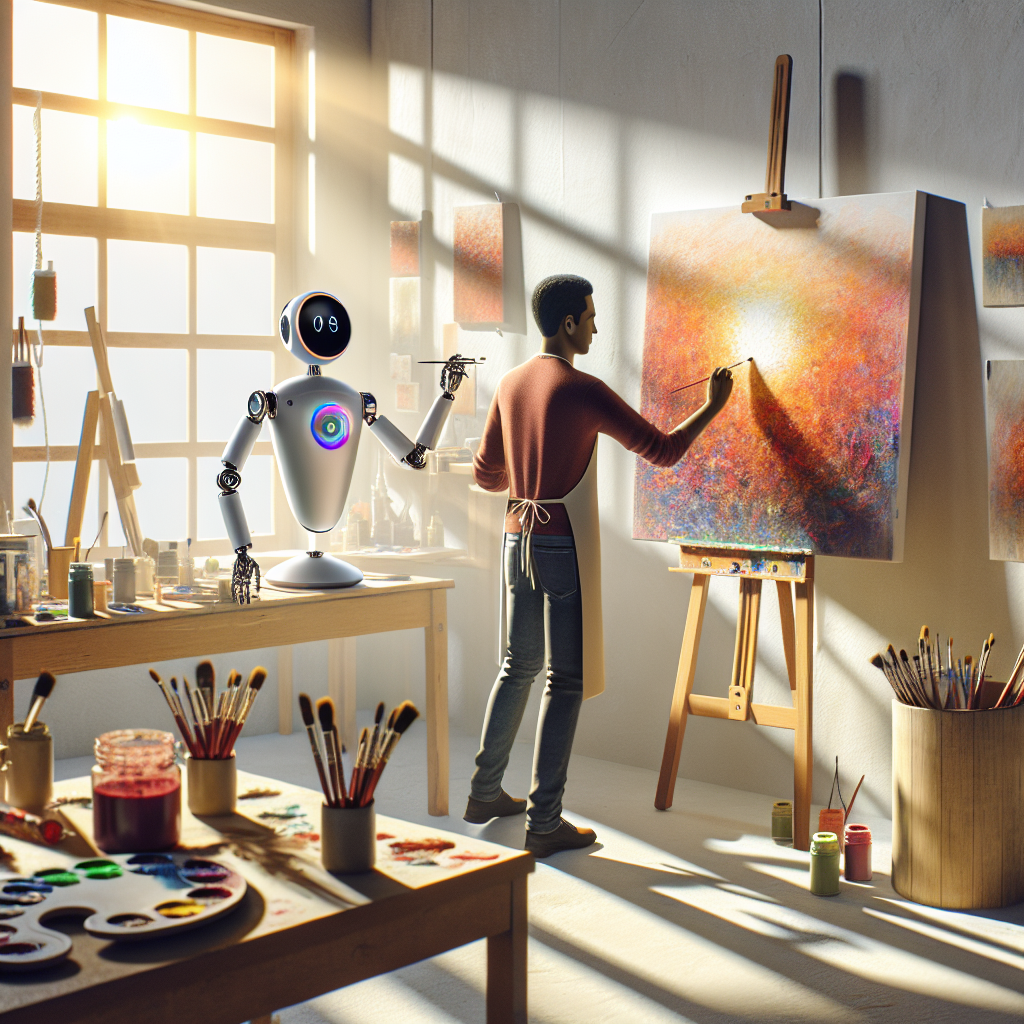
Unlock Your Inner Artist The AI Muse Arrives
Meta description: Unleash your creative potential with AI! Discover how AI artists are transforming art creation, offering new tools and inspiration for everyone.
The AI Revolution in Art: A New Dawn for Creativity
Ever felt a creative block staring you down? What if you could tap into a limitless source of inspiration, guided by artificial intelligence? The rise of the AI artist is not just a technological leap; it’s a profound shift in how we create and experience art. Imagine AI algorithms assisting you in sketching, painting, composing music, or even writing poetry. This is not science fiction; it’s the reality unfolding before us, democratizing art creation and opening doors for anyone to explore their artistic potential.
AI: The Muse of the Modern Artist
AI is rapidly evolving from a tool into a collaborative partner. It analyzes vast datasets of existing art, understands patterns, and then generates novel outputs based on user prompts. For example, you could ask an AI to create a painting in the style of Van Gogh, but with a futuristic cityscape as the subject. The possibilities are truly endless, providing artists with a powerful means to explore new ideas and push the boundaries of their imagination.
Democratizing Art Creation
Traditionally, artistic pursuits required years of training and access to specific resources. However, AI tools are leveling the playing field. Now, anyone with a computer and an internet connection can experiment with different styles, techniques, and mediums. This democratization empowers aspiring artists and hobbyists to bring their visions to life without the traditional barriers to entry.
From Novice to Virtuoso: How to Use an AI Artist
Embracing AI in your artistic process can seem daunting, but it’s easier than you think. Many user-friendly platforms are available, offering a range of features from simple image generation to complex artistic collaborations. Here’s how you can get started and integrate AI into your creative workflow.
Choosing the Right AI Platform
The market is filled with various AI art generators, each with its own strengths and weaknesses. Some platforms, like Midjourney and DALL-E 2, are known for their high-quality image generation and versatility. Others, such as Artbreeder, specialize in allowing users to blend and evolve existing images. Researching and experimenting with different platforms will help you find the one that best suits your artistic goals.
Crafting Effective Prompts
The key to unlocking the full potential of an AI artist lies in crafting effective prompts. A prompt is essentially a text-based instruction that guides the AI in generating artwork. The more specific and descriptive your prompt, the better the results will be. Consider including details about the style, subject, color palette, and mood you want to convey.
For example, instead of simply typing “a landscape,” try “a vibrant sunset over a mountain range, painted in the style of Impressionism, with warm colors and a sense of serenity.”
Iterating and Refining
AI-generated art is rarely perfect on the first try. It often requires multiple iterations and refinements to achieve the desired outcome. Don’t be afraid to experiment with different prompts, adjust parameters, and combine AI-generated elements with your own artistic skills. This iterative process is where the magic happens, as you collaborate with the AI to create something truly unique.
The Ethical Considerations of AI in Art
As AI becomes increasingly integrated into the art world, it’s crucial to address the ethical considerations that arise. Questions about copyright, ownership, and the potential displacement of human artists are becoming increasingly relevant.
Copyright and Ownership
One of the biggest challenges is determining who owns the copyright to AI-generated art. Is it the user who created the prompt? The developers of the AI algorithm? Or does the artwork fall into the public domain? These questions are still being debated in legal circles, and the answers will have significant implications for the future of AI art. It is important to understand the terms of service of each AI platform you use to clarify ownership rights.
The Role of Human Artists
Some artists fear that AI will eventually replace human creativity. However, many see AI as a tool that can enhance and augment their abilities, rather than replace them entirely. AI can handle repetitive tasks, generate initial ideas, and provide new perspectives, freeing up human artists to focus on the more nuanced and creative aspects of their work.
According to a report by the World Economic Forum, AI is expected to create more jobs than it eliminates, particularly in creative fields where human-AI collaboration is key.
Bias in Algorithms
AI algorithms are trained on vast datasets of existing art, which may reflect existing biases in the art world. This can lead to AI generating artwork that reinforces stereotypes or excludes certain groups. It’s important to be aware of these biases and actively work to mitigate them by curating diverse datasets and developing AI algorithms that are more inclusive.
Transforming Creative Industries with AI
The impact of AI extends far beyond the realm of individual artists. It is transforming entire creative industries, from graphic design and advertising to film and music production.
Graphic Design and Advertising
AI is automating many of the tedious tasks involved in graphic design, such as resizing images, creating variations of layouts, and generating marketing copy. This allows designers to focus on the more strategic and creative aspects of their work, resulting in more effective and engaging campaigns.
Film and Music Production
In the film industry, AI is being used to create realistic special effects, generate background music, and even write screenplays. Similarly, in the music industry, AI is helping composers create new melodies, harmonies, and arrangements, opening up new possibilities for musical expression.
Companies like Amper Music are pioneering the use of AI to generate custom music for videos, podcasts, and other media projects, reducing the cost and time required for music production.
Fashion and Product Design
AI is also making waves in the fashion and product design industries. Designers are using AI to analyze trends, predict consumer preferences, and generate new product ideas. This allows them to create more innovative and appealing products that are tailored to the needs of their target audience.
The Future of Art: A Symbiotic Relationship with AI
The integration of AI into the art world is not a passing trend; it’s a fundamental shift that will continue to shape the future of creativity. As AI technology advances, we can expect to see even more sophisticated tools and techniques that blur the lines between human and machine creativity.
The Rise of Collaborative Art
One of the most exciting developments is the rise of collaborative art, where human artists work closely with AI to create artwork that is greater than the sum of its parts. This symbiotic relationship allows artists to leverage the strengths of both humans and machines, resulting in truly innovative and groundbreaking creations.
Personalized Art Experiences
AI is also enabling personalized art experiences that are tailored to the individual viewer. Imagine walking through a museum where the artwork changes based on your personal preferences or interacting with a virtual reality environment where the art adapts to your emotions. These personalized experiences have the potential to deepen our connection with art and make it more accessible to everyone.
Education and Accessibility
The introduction of AI in education is changing how art is taught and learned. AI tools can provide personalized feedback, adapt to individual learning styles, and offer access to a vast library of resources. This makes art education more accessible and engaging for students of all ages and backgrounds.
The AI revolution in art is here, offering unprecedented opportunities for creative expression and innovation. By embracing AI as a tool and a partner, we can unlock our inner artist and create a future where art is more accessible, personalized, and collaborative than ever before.
For more insights or collaboration opportunities, visit www.MajesticVision.com.
-
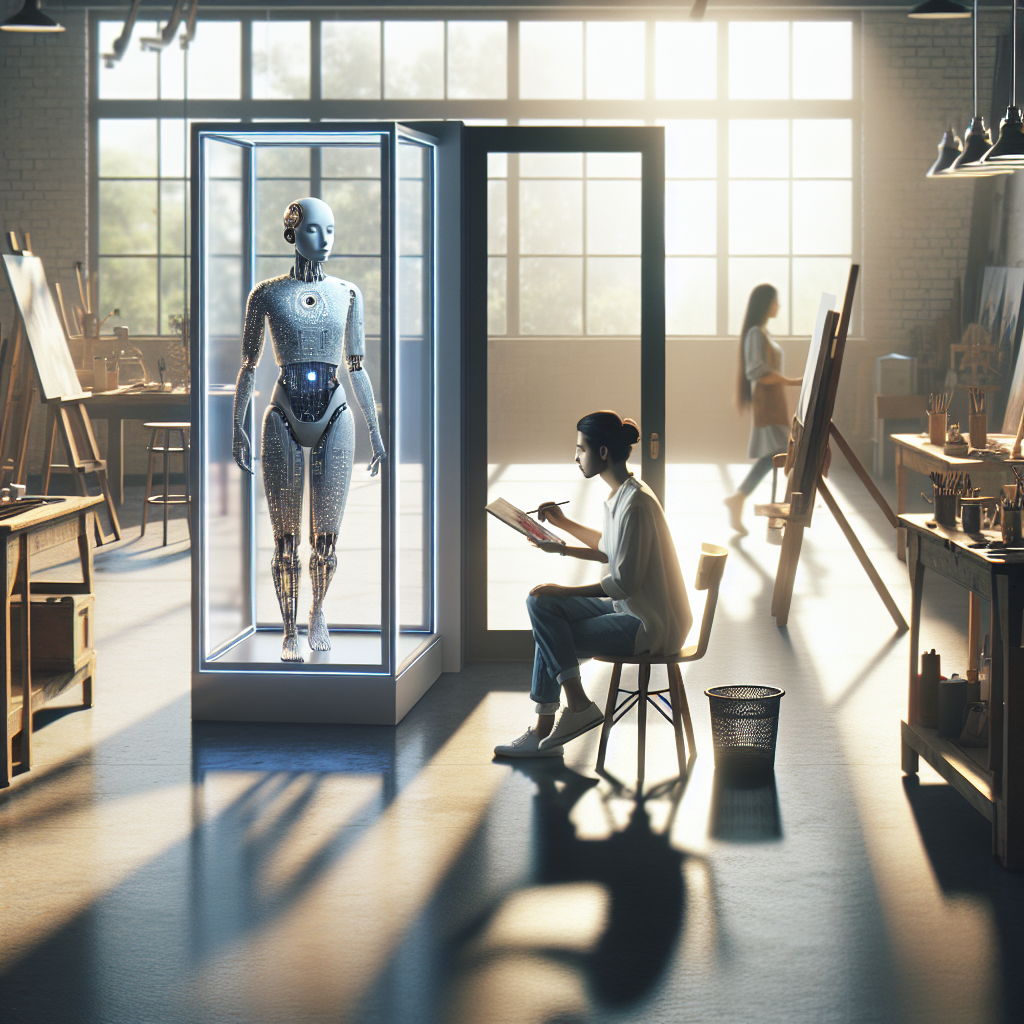
Unlock Your Inner Muse How AI Sparks Artful Breakthroughs
Meta description: Discover how AI art tools can unlock your creative potential and revolutionize artistic expression. Explore innovative techniques and practical applications.
The Dawn of the AI Art Renaissance
Have you ever felt creatively blocked, staring at a blank canvas or a blinking cursor, yearning for inspiration? What if an intelligent partner could help you break through those barriers and unleash your inner muse? AI art is rapidly transforming the creative landscape, offering unprecedented opportunities for artists and enthusiasts alike.
AI art tools are not designed to replace human artists. Instead, they serve as powerful collaborators, augmenting creativity and unlocking new avenues for artistic expression. They offer a unique way to overcome creative blocks, explore uncharted artistic territories, and bring unimaginable visions to life.
Exploring the Creative Potential of AI Tools
AI-powered art tools are more than just novelties; they represent a fundamental shift in how we approach creative endeavors. By understanding and leveraging their capabilities, you can tap into a wellspring of inspiration and generate art that is both innovative and deeply personal.
Text-to-Image Generation
One of the most captivating applications of AI in art is text-to-image generation. Simply by providing a textual description, users can prompt AI models to create corresponding visuals. These models, trained on vast datasets of images and text, possess the remarkable ability to translate abstract concepts into tangible artwork.
– Experiment with various text prompts to discover unique visual interpretations.
– Use descriptive language to guide the AI toward your desired style and content.
– Refine your prompts based on the generated outputs to achieve greater precision.Platforms like DALL-E 2 and Midjourney have popularized this approach, enabling users to generate astonishingly detailed and imaginative images from simple text descriptions. This technology allows you to visualize concepts that were previously confined to the realm of imagination, effectively bridging the gap between thought and artistic creation.
Style Transfer and Image Enhancement
AI can also breathe new life into existing images through style transfer and enhancement techniques. Style transfer algorithms allow you to apply the aesthetic characteristics of one image to another, creating intriguing hybrids that blend familiar content with novel artistic styles.
– Transform a photograph into a painting reminiscent of Van Gogh or Monet.
– Apply the style of a famous artwork to your own creations.
– Experiment with different style combinations to discover unexpected results.Image enhancement tools, powered by AI, can automatically improve the quality of your images by increasing resolution, reducing noise, and sharpening details. These tools are invaluable for both amateur and professional artists, allowing them to polish their work and present it in the best possible light.
Overcoming Creative Barriers with AI Assistance
Creative blocks are a common challenge for artists of all disciplines. AI tools can serve as a valuable resource for breaking through these barriers, offering fresh perspectives and sparking new ideas.
Generating Initial Concepts
When faced with a blank slate, AI can help you jumpstart the creative process by generating a range of initial concepts. By providing a few keywords or a brief description of your desired artwork, you can prompt AI models to produce a variety of visual ideas. These concepts can then serve as a foundation for further exploration and refinement.
Exploring Different Styles and Techniques
AI tools empower you to experiment with various artistic styles and techniques without the need for extensive training or specialized skills. Whether you’re interested in exploring abstract expressionism, surrealism, or photorealism, AI can help you simulate these styles and discover new creative directions.
– Use AI to generate artwork in different styles, such as Impressionism or Cubism.
– Experiment with various color palettes and compositions to create unique visual effects.
– Analyze the work of established artists using AI to identify key stylistic elements.Collaborating with AI for Iterative Design
AI art tools facilitate a collaborative design process, allowing artists to iteratively refine their creations based on AI-generated feedback. By providing AI with initial artwork, you can prompt it to suggest modifications, variations, and enhancements. This iterative approach can lead to unexpected discoveries and push the boundaries of your artistic vision.
Practical Applications of AI Art
The applications of AI art extend far beyond the realm of fine art. From graphic design to marketing to entertainment, AI is transforming various industries and opening up new possibilities for creative expression.
Graphic Design and Visual Communication
AI-powered tools are streamlining graphic design workflows, enabling designers to create visually stunning materials more efficiently. AI can automate repetitive tasks, such as image resizing, background removal, and color correction, freeing up designers to focus on more strategic and creative aspects of their work. Furthermore, AI can generate design variations and suggest optimal layouts, helping designers explore different options and arrive at the best possible solution.
Marketing and Advertising
In the realm of marketing and advertising, AI is revolutionizing content creation and personalization. AI can generate engaging visuals for social media campaigns, design eye-catching advertisements, and even create personalized marketing messages tailored to individual customer preferences. This level of personalization can significantly improve engagement rates and drive conversions.
Entertainment and Media
The entertainment industry is embracing AI to create immersive and interactive experiences. AI can generate realistic special effects for movies and television shows, create personalized video game content, and even compose original music. As AI technology continues to evolve, we can expect to see even more groundbreaking applications in the entertainment and media landscape.
Ethical Considerations in AI Art
As AI art becomes more prevalent, it’s crucial to address the ethical considerations surrounding its use. Issues such as copyright infringement, authorship, and the potential for misuse need careful consideration and proactive solutions.
Copyright and Ownership
One of the primary concerns is copyright infringement. AI models are trained on vast datasets of images, many of which are copyrighted. This raises questions about the ownership of AI-generated artwork and the potential for legal disputes. It’s important to use AI tools responsibly and to ensure that you have the necessary rights to use any copyrighted material that may be incorporated into your artwork.
Authorship and Attribution
Determining the authorship of AI-generated art is another complex issue. While AI algorithms play a significant role in the creation process, human artists often provide guidance and input. Establishing clear guidelines for authorship and attribution is essential to ensure that artists receive proper recognition for their contributions.
Mitigating Bias and Misuse
AI models can perpetuate existing biases present in their training data, leading to discriminatory or offensive outputs. It’s crucial to be aware of these potential biases and to take steps to mitigate them. Additionally, AI art tools can be misused to generate deepfakes, spread misinformation, or create other harmful content. Responsible development and deployment of AI technology are essential to prevent such misuse. According to a 2023 Brookings report, “AI models can reflect and amplify societal biases present in the data they are trained on, leading to skewed or discriminatory outcomes.” [https://www.brookings.edu/research/how-artificial-intelligence-reinforces-racism-and-discrimination/]
Embrace the AI-Powered Creative Revolution
AI art is no longer a futuristic concept; it’s a tangible reality that is transforming the creative landscape. By embracing AI tools and exploring their potential, you can unlock your inner muse, overcome creative barriers, and create art that is both innovative and deeply personal.
The integration of AI into creative workflows is not about replacing human artists but about augmenting their capabilities and expanding their artistic horizons. Whether you’re a seasoned professional or a budding enthusiast, AI art offers unprecedented opportunities to explore uncharted territories, experiment with new styles, and bring your wildest visions to life.
Ready to embark on your AI-powered creative journey? Explore the latest AI art tools, experiment with different techniques, and discover the transformative power of AI in unlocking your artistic potential. Dive in, experiment, and witness the breathtaking possibilities that await.
For more insights or collaboration opportunities, visit www.MajesticVision.com.