
Your cart is currently empty!
Category: Announcements
Announcements and general updates for the site and various projects
-
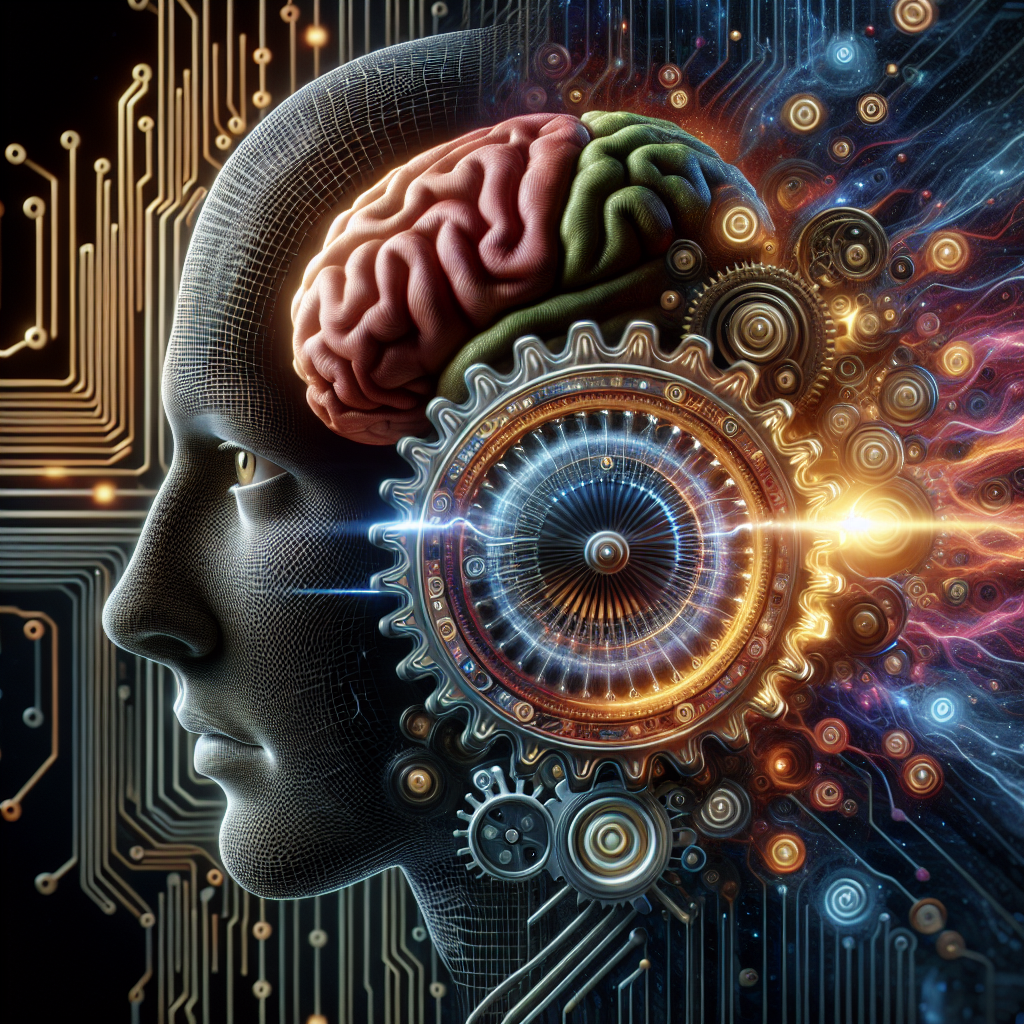
Unlock Your Inner Genius How AI Turns Collaboration into Creative Breakthroughs
Meta Description: Discover how AI collaboration unlocks your creative genius. Learn to harness artificial intelligence for innovative breakthroughs and enhanced teamwork.
Unleashing Creativity Through AI Collaboration
What if the next great idea wasn’t born from a lone genius, but from a collaboration between humans and artificial intelligence? The rise of AI collaboration is not just a futuristic fantasy; it’s a present-day reality, transforming how we approach problem-solving and innovation. By integrating AI into our creative processes, we can unlock new levels of insight and productivity.
The Power of Human-AI Synergy in Creative Processes
The traditional image of a solitary artist or inventor toiling away in isolation is quickly becoming outdated. Today’s most innovative breakthroughs often stem from collaborative efforts, and the integration of AI tools is amplifying this trend. Human-AI synergy combines the unique strengths of both humans and machines, leading to more creative and effective outcomes.
Augmenting Human Capabilities
AI excels at processing vast amounts of data, identifying patterns, and generating options at speeds far beyond human capacity. By using AI to augment human skills, we can overcome cognitive biases, explore unconventional ideas, and refine our creative output.
– AI algorithms can analyze market trends, customer preferences, and competitor strategies to inform product development and marketing campaigns.
– AI-powered design tools can generate countless variations of a logo or website layout, allowing designers to quickly explore different aesthetic possibilities.
– AI can assist in writing and editing, helping to refine language, identify inconsistencies, and ensure clarity.Enhancing Collaboration
AI tools can also enhance collaboration by facilitating communication, streamlining workflows, and providing a shared platform for creative teams. Project management software integrated with AI can automate tasks, track progress, and identify potential roadblocks, allowing team members to focus on their core creative contributions.
– AI-driven translation tools can break down language barriers, enabling seamless collaboration between teams from different parts of the world.
– Virtual collaboration platforms equipped with AI can transcribe meetings, summarize key discussion points, and generate action items, ensuring that everyone stays on the same page.
– AI-powered brainstorming tools can collect and organize ideas from multiple participants, identify common themes, and suggest novel combinations, fostering a more inclusive and productive creative process.Practical Applications of AI Collaboration
The benefits of AI collaboration extend across a wide range of industries and applications. From designing new products to creating engaging content, AI is helping individuals and organizations achieve creative breakthroughs.
Product Development
In product development, AI can assist in every stage of the process, from initial concept generation to final design and testing. AI algorithms can analyze customer feedback, identify unmet needs, and generate innovative product ideas. AI-powered simulation tools can then be used to test the performance and durability of these products, reducing the need for expensive physical prototypes.
– A major automotive manufacturer uses AI to analyze vast amounts of sensor data collected from vehicles on the road. This data is used to identify potential safety issues and improve the design of future models.
– A leading consumer goods company employs AI to analyze social media trends and predict which product features will be most appealing to consumers.Content Creation
AI is also transforming the field of content creation. AI-powered writing tools can assist with tasks such as generating outlines, drafting copy, and editing text. AI image and video generation tools can create stunning visuals, while AI-driven music composition tools can produce original soundtracks.
– News organizations are using AI to generate summaries of articles, translate content into different languages, and personalize news feeds for individual readers. The New York Times has been experimenting with AI-driven tools to enhance their journalism and content delivery.
– Marketing agencies are using AI to create personalized advertising campaigns, generate engaging social media content, and optimize email marketing strategies.Scientific Discovery
Even in scientific research, AI collaboration is accelerating the pace of discovery. AI algorithms can analyze complex datasets, identify patterns, and generate hypotheses, helping scientists to uncover new insights and develop new theories.
– Researchers at universities are using AI to analyze genomic data and identify potential drug targets for various diseases.
– Climate scientists are using AI to model the Earth’s climate system and predict the impact of climate change on different regions.Overcoming Challenges in AI Collaboration
While the potential benefits of AI collaboration are immense, there are also several challenges that need to be addressed. These include data privacy concerns, algorithmic bias, and the need for human oversight.
Data Privacy and Security
AI algorithms require vast amounts of data to learn and perform effectively. However, this data may contain sensitive personal information, raising concerns about privacy and security. Organizations need to implement robust data governance policies and security measures to protect user data and comply with privacy regulations.
– Implementing anonymization techniques to remove personally identifiable information from datasets.
– Using secure data storage and transmission protocols to prevent unauthorized access.
– Establishing clear guidelines for data usage and ensuring transparency with users about how their data is being used.Algorithmic Bias
AI algorithms can perpetuate and amplify existing biases in the data they are trained on. This can lead to unfair or discriminatory outcomes, particularly in areas such as hiring, lending, and criminal justice. To mitigate algorithmic bias, it is essential to carefully curate training data, audit AI algorithms for bias, and ensure that AI systems are fair and equitable.
– Diversifying the teams that develop and train AI algorithms to ensure that different perspectives are considered.
– Using techniques such as adversarial training to make AI algorithms more robust to bias.
– Regularly monitoring AI systems for bias and taking corrective action when necessary.The Importance of Human Oversight
AI should be seen as a tool to augment human capabilities, not to replace them entirely. Human oversight is essential to ensure that AI systems are used responsibly and ethically. Humans should retain the ability to override AI decisions, particularly in situations where ethical considerations are paramount.
– Establishing clear lines of accountability for AI decisions.
– Providing training to employees on how to use AI tools effectively and ethically.
– Creating mechanisms for users to provide feedback on AI systems and report potential problems.Future Trends in AI Collaboration
The field of AI collaboration is rapidly evolving, with new tools and techniques emerging all the time. Some of the key trends to watch include:
Explainable AI (XAI)
Explainable AI aims to make AI algorithms more transparent and understandable. XAI techniques can help users understand how AI systems arrive at their decisions, making it easier to identify and correct errors or biases. As AI becomes more integrated into our lives, the need for XAI will only grow.
AI-Powered Creativity Tools
We can expect to see even more sophisticated AI-powered creativity tools in the future. These tools will be able to assist with a wider range of creative tasks, from generating complex designs to composing original music.
AI-Driven Collaboration Platforms
AI-driven collaboration platforms will make it easier for teams to work together, regardless of their location or time zone. These platforms will use AI to automate tasks, facilitate communication, and provide personalized support to team members.
Embrace the Future of Creativity
AI collaboration is transforming the way we approach creativity and problem-solving. By harnessing the power of artificial intelligence, we can unlock new levels of insight, productivity, and innovation. While challenges remain, the potential benefits of AI collaboration are too great to ignore. Embrace the future of creativity and discover how AI can help you unlock your inner genius.
For more insights or collaboration opportunities, visit www.MajesticVision.com.
-

AI Unlocks Ocean Secrets New Hope for Marine Life
Meta Description: Discover how ocean AI revolutionizes marine research, conservation, & sustainability. Uncover the technology unlocking ocean secrets and preserving marine life.
Unveiling the Depths: How AI is Revolutionizing Ocean Exploration
What if we could understand the ocean as intimately as we understand our own backyards? The application of ocean AI is transforming marine research, offering unprecedented insights into the complex ecosystems hidden beneath the waves. From tracking endangered species to predicting harmful algal blooms, artificial intelligence is becoming an indispensable tool for marine scientists and conservationists. This technology is not just about exploration; it’s about preservation and sustainable management of our planet’s most vital resource.
The Promise of Ocean AI
Ocean AI holds immense potential for addressing some of the most pressing challenges facing our marine environments. It enables us to collect and analyze vast amounts of data, identify patterns that would otherwise go unnoticed, and develop more effective strategies for protecting marine life. By leveraging the power of AI, we can gain a deeper understanding of ocean dynamics and make informed decisions about how to safeguard this precious resource for future generations.
Monitoring Marine Life with AI-Powered Precision
One of the most significant applications of AI in oceanography is the monitoring and conservation of marine life. Traditional methods of tracking animals are often labor-intensive and limited in scope, but AI is changing the game.
– AI-powered image recognition software can automatically identify and count marine species in underwater photos and videos, providing valuable data on population sizes and distribution patterns.
– Machine learning algorithms can analyze acoustic data to detect the presence of whales and other marine mammals, helping to prevent ship strikes and reduce noise pollution.
– AI-driven drones and autonomous underwater vehicles (AUVs) can survey vast areas of the ocean, collecting data on everything from water temperature to the abundance of plankton.For example, researchers are using AI to track the movements of endangered sea turtles, identify their nesting sites, and protect them from human threats. Similarly, AI is being used to monitor coral reefs, detect signs of bleaching, and develop strategies for restoring these vital ecosystems. A recent study published in *Nature* highlighted the efficacy of using convolutional neural networks to identify coral species with 90% accuracy, a task previously limited by human capacity [https://www.nature.com/articles/s41598-023-38763-z].
Predicting and Preventing Marine Disasters
In addition to monitoring marine life, AI is also being used to predict and prevent marine disasters, such as oil spills and harmful algal blooms. These events can have devastating consequences for marine ecosystems and human communities, but AI can help us to anticipate and mitigate their impacts.
– AI algorithms can analyze weather patterns, ocean currents, and other data to predict the movement of oil slicks, allowing responders to deploy resources more effectively.
– Machine learning models can identify the conditions that lead to harmful algal blooms, giving authorities time to warn the public and take steps to prevent outbreaks.
– AI-powered sensors can detect changes in water quality, providing early warnings of pollution events and other environmental hazards.AI and the Fight Against Ocean Pollution
Ocean AI plays a crucial role in combating pollution. By analyzing data from various sources, AI can identify pollution hotspots, track the movement of pollutants, and assess the effectiveness of cleanup efforts. This information can be used to develop more targeted and effective strategies for reducing pollution and protecting marine ecosystems.
Enhancing Sustainable Fishing Practices with AI
Sustainable fishing is essential for ensuring the long-term health of our oceans, and AI can play a vital role in promoting responsible fishing practices.
– AI-powered systems can analyze data on fish populations, fishing effort, and environmental conditions to provide real-time recommendations to fishermen on where and when to fish.
– Machine learning algorithms can identify illegal fishing activity, helping to prevent overfishing and protect vulnerable species.
– AI-driven monitoring systems can track the movement of fishing vessels, ensuring that they are complying with regulations and avoiding protected areas.By using AI to optimize fishing practices, we can ensure that our oceans continue to provide food and livelihoods for generations to come.
Challenges and Opportunities in Ocean AI Development
While the potential of ocean AI is enormous, there are also significant challenges to its development and implementation.
– Data scarcity: Collecting high-quality data in the ocean is difficult and expensive, which can limit the effectiveness of AI algorithms.
– Computational resources: Analyzing large datasets requires significant computational power, which may not be readily available to all researchers and organizations.
– Expertise: Developing and deploying AI-based solutions requires specialized expertise in both artificial intelligence and marine science.
– Ethical considerations: As with any technology, it is important to consider the ethical implications of using AI in the ocean, such as the potential for bias in algorithms and the impact on human jobs.Despite these challenges, the opportunities for ocean AI are vast. With continued investment in research and development, we can overcome these obstacles and unlock the full potential of AI to protect and sustainably manage our oceans.
The Future of Ocean AI: A Vision for a Healthier Planet
The convergence of artificial intelligence and oceanography is poised to revolutionize our understanding of the marine world. Ocean AI not only enhances our capacity to monitor and protect marine ecosystems but also paves the way for innovative solutions to pressing environmental challenges. As AI technology advances, we can anticipate even more sophisticated applications that contribute to the sustainable use and preservation of our oceans. Embracing ocean AI is an investment in the health of our planet and the well-being of future generations.
For more insights or collaboration opportunities, visit www.MajesticVision.com.
-

AI’s Shadow Self Can Algorithms Be Truly Fair?
Meta description: Explore the ethical dilemmas of AI. Can algorithms be truly fair, or does AI’s shadow self perpetuate bias? Discover the challenges and solutions.
Unveiling AI’s Algorithmic Bias
Can artificial intelligence, touted as the harbinger of unbiased decision-making, inadvertently perpetuate societal prejudices? As AI systems become increasingly integrated into our lives, from loan applications to criminal justice, the question of whether algorithms can truly be fair demands urgent attention. The field of AI ethics is now grappling with the complex realities of algorithmic bias, prompting a critical examination of how AI’s “shadow self” might reinforce existing inequalities.
The Roots of Bias in AI Systems
The biases lurking within AI systems often stem from the data they are trained on. If this data reflects historical or societal biases, the AI will inevitably learn and amplify them. For example, if a facial recognition system is primarily trained on images of one ethnic group, it may perform poorly when identifying individuals from other groups.
– Biased training data is a significant source of AI unfairness.
– Algorithms learn from patterns; if those patterns are skewed, so is the AI.
– Human biases get embedded into AI through data collection and labeling processes.Real-World Consequences of Unfair AI
The consequences of biased AI can be far-reaching and detrimental. Consider the COMPAS (Correctional Offender Management Profiling for Alternative Sanctions) algorithm used in the U.S. justice system to predict recidivism rates. Studies have shown that COMPAS disproportionately misclassifies Black defendants as higher risk compared to White defendants, even when controlling for prior crimes, future crime, and demographics. Such disparities raise profound ethical concerns about fairness and justice.
– Biased AI in healthcare can lead to incorrect diagnoses and treatment plans.
– Financial algorithms may deny loans or insurance unfairly based on protected characteristics.
– HR AI tools can perpetuate discriminatory hiring practices.Navigating the Maze of AI Ethics
AI ethics is a multifaceted discipline that explores the moral principles and values that should govern the design, development, and deployment of AI systems. It encompasses considerations of fairness, accountability, transparency, and privacy, aiming to ensure that AI benefits all members of society equitably. Understanding and addressing AI ethics is critical for building trustworthy and responsible AI.
Key Principles in AI Ethics
Several core principles guide ethical AI development:
– Fairness: Ensuring that AI systems do not discriminate against individuals or groups based on protected characteristics such as race, gender, or religion.
– Transparency: Making AI decision-making processes understandable and explainable.
– Accountability: Establishing mechanisms for holding individuals and organizations responsible for the impacts of AI systems.
– Privacy: Protecting individuals’ data and ensuring that AI systems respect their privacy rights.
– Beneficence: Ensuring that AI systems are designed to promote human well-being and societal good.Addressing Algorithmic Bias: A Multi-Faceted Approach
Tackling algorithmic bias requires a comprehensive approach involving various stakeholders.
– Data diversity: Ensuring that training data is diverse and representative of the population it will affect.
– Algorithm audits: Regularly auditing AI systems to identify and mitigate bias.
– Explainable AI (XAI): Developing AI models that are transparent and explainable, allowing users to understand how decisions are made.
– Ethical guidelines: Establishing clear ethical guidelines and standards for AI development and deployment.The Role of Data in Shaping AI Fairness
Data is the lifeblood of AI, and its quality directly influences the fairness and accuracy of AI systems. However, the challenge lies not only in collecting diverse data but also in understanding and mitigating the biases that may already be present within it.
Data Collection and Preprocessing
Careful data collection and preprocessing techniques are essential to minimize bias. This includes:
– Identifying and correcting biases in existing datasets.
– Actively seeking out diverse data sources to ensure representation.
– Using techniques like data augmentation to balance datasets.
– Implementing robust data validation and cleaning processes.The Pitfalls of Proxy Variables
Proxy variables, seemingly neutral data points that correlate with protected characteristics, can inadvertently introduce bias into AI systems. For example, using zip codes as a proxy for race in loan applications can perpetuate discriminatory lending practices, even if race is not explicitly considered. Recognizing and avoiding proxy variables is crucial for achieving fairness.
– Proxy variables can mask underlying biases in AI systems.
– They often perpetuate historical inequalities without direct discriminatory intent.
– Awareness and careful analysis are necessary to identify and mitigate proxy variables.Transparency and Explainability in AI
Transparency and explainability are vital components of ethical AI. When AI systems are transparent, their decision-making processes are understandable to users. Explainable AI (XAI) seeks to create models that can provide explanations for their outputs, helping to build trust and accountability.
Benefits of Explainable AI (XAI)
– Increased Trust: Users are more likely to trust AI systems when they understand how decisions are made.
– Improved Accountability: XAI allows for easier identification and correction of biases and errors.
– Regulatory Compliance: Many regulations require transparency in AI decision-making, especially in sensitive areas like finance and healthcare.Techniques for Achieving Explainability
Several techniques can enhance the explainability of AI models:
– Rule-based systems: Using explicit rules to make decisions, making the logic clear and transparent.
– Feature importance analysis: Identifying which input features have the greatest influence on the model’s output.
– Model-agnostic explanation methods: Techniques like LIME (Local Interpretable Model-agnostic Explanations) and SHAP (SHapley Additive exPlanations) that can be applied to any model to understand its behavior.The Future of AI Ethics: Challenges and Opportunities
As AI continues to evolve, so too must our understanding of AI ethics. The future holds both significant challenges and exciting opportunities for creating AI systems that are fair, accountable, and beneficial for all.
Emerging Challenges
– The rapid pace of AI development can outstrip ethical frameworks.
– AI systems are becoming increasingly complex, making bias detection and mitigation more difficult.
– Global collaboration is needed to establish consistent ethical standards and regulations.Opportunities for Positive Change
– Interdisciplinary collaboration: Combining expertise from computer science, ethics, law, and social sciences to develop holistic solutions.
– AI-driven bias detection: Using AI itself to identify and correct biases in data and algorithms.
– Education and awareness: Raising awareness about AI ethics among developers, policymakers, and the general public.
– Development of AI Ethics Toolkits: Creating open-source tools and resources that help developers build and deploy ethical AI systems. For example, Google’s AI Principles provide a framework for ethical AI development and deployment.We’ve explored the critical importance of AI ethics in ensuring fairness and mitigating biases in algorithmic decision-making. From understanding the roots of bias in training data to championing transparency and accountability, the path toward ethical AI requires constant vigilance and proactive measures. Embrace the principles of fairness, transparency, and accountability to build a future where AI serves as a force for good. Learn more about how you can implement ethical AI practices in your projects and contribute to a more equitable technological landscape.
For more insights or collaboration opportunities, visit www.MajesticVision.com.
-

Can AI Save Our Oceans? Predicting Pollution’s Path
Meta description: Explore how AI and machine learning are revolutionizing ocean conservation by predicting and mitigating ocean pollution. Learn about innovative solutions!
The Alarming State of Ocean Pollution
Imagine our oceans, the lifeblood of our planet, choked by plastic, chemicals, and waste. The reality of ocean pollution is a stark and urgent crisis, threatening marine ecosystems and, ultimately, human health. But what if we could predict the paths of pollutants, anticipate their impact, and intervene before irreversible damage is done? Artificial intelligence is emerging as a powerful tool in this fight, offering innovative solutions to understand and combat ocean pollution on a scale never before possible.
The Scale of the Problem
– Estimates suggest that millions of tons of plastic enter the ocean each year.
– Chemical runoff from agriculture and industry creates dead zones, suffocating marine life.
– Oil spills and other accidents cause devastating environmental damage.AI to the Rescue: Predictive Modeling
AI’s ability to analyze vast datasets and identify patterns makes it uniquely suited for predicting the movement and impact of pollutants in the ocean. By leveraging machine learning algorithms, scientists can create sophisticated models that simulate ocean currents, weather patterns, and pollutant dispersion. These models provide crucial insights for targeted interventions.
How AI Models Work
– Data Collection: Gathering data from satellites, sensors, and historical records.
– Algorithm Training: Training machine learning models on this data to recognize patterns and predict future movements.
– Simulation: Using the trained model to simulate the spread of pollutants under various conditions.
– Refinement: Continuously refining the model with new data to improve accuracy.Example: Predicting Plastic Accumulation
Researchers at the University of Exeter have developed AI models to predict where plastic debris is likely to accumulate in the ocean, helping to focus clean-up efforts and prevent further harm to marine life. Their models consider factors like ocean currents, wind patterns, and the density of different types of plastic to identify hotspots of plastic pollution.
Monitoring and Detection with AI
Beyond prediction, AI also enhances our ability to monitor and detect ocean pollution in real-time. AI-powered sensors and drones can identify pollutants, track their sources, and assess their impact on marine ecosystems.
AI-Powered Sensors
– Autonomous underwater vehicles (AUVs) equipped with sensors can collect data on water quality, temperature, and the presence of pollutants.
– These sensors can transmit data in real-time, providing early warnings of pollution events.Drones and Satellite Imagery
– Drones can capture high-resolution images of coastlines and waterways, identifying sources of pollution and assessing environmental damage.
– Satellite imagery, analyzed with AI, can detect large-scale pollution events, such as oil spills and algal blooms.Case Study: Oil Spill Detection
In the aftermath of an oil spill, AI can quickly analyze satellite imagery to map the extent of the spill and track its movement, helping response teams deploy resources effectively. For example, after the Deepwater Horizon oil spill, AI algorithms were used to process satellite data and estimate the volume of oil released into the Gulf of Mexico.
Cleaning Up Our Oceans: AI-Driven Solutions
AI isn’t just about prediction and monitoring; it’s also driving the development of innovative solutions for cleaning up ocean pollution.
Robotic Cleaning Systems
– Autonomous robots, guided by AI, can collect plastic debris from the ocean surface and seabed.
– These robots can differentiate between plastic and marine life, minimizing the impact on ecosystems.Optimizing Waste Management
– AI can optimize waste management systems, reducing the amount of plastic and other pollutants that end up in the ocean.
– For instance, AI algorithms can analyze waste streams to identify opportunities for recycling and waste reduction.The Ocean Cleanup Project
The Ocean Cleanup, a non-profit organization, is developing advanced technologies to remove plastic from the ocean. They use AI-powered systems to identify and target areas of high plastic concentration, making their cleanup efforts more efficient and effective.
Addressing Specific Pollutants with AI
Different types of ocean pollution require different solutions. AI can be tailored to address specific pollutants and their unique challenges.
Microplastics
– AI-powered filtration systems can remove microplastics from wastewater treatment plants, preventing them from entering the ocean.
– Researchers are also developing AI algorithms to identify and track microplastic sources, helping to target interventions.Chemical Pollution
– AI can analyze chemical data to identify sources of pollution and predict their impact on marine ecosystems.
– This information can be used to develop targeted regulations and remediation strategies.Nutrient Pollution
– AI can optimize agricultural practices to reduce nutrient runoff, a major cause of dead zones in coastal waters.
– By analyzing soil conditions, weather patterns, and crop data, AI can recommend optimal fertilizer application rates, minimizing the risk of nutrient pollution.Challenges and Considerations
While AI offers immense potential for combating ocean pollution, there are also challenges and considerations to keep in mind.
Data Availability and Quality
– AI models require large amounts of high-quality data to be effective.
– Ensuring data accuracy and availability can be a challenge, particularly in remote ocean regions.Ethical Considerations
– The use of AI in ocean conservation raises ethical questions about data privacy, algorithmic bias, and the potential impact on marine ecosystems.
– It’s important to develop ethical guidelines and regulations to ensure that AI is used responsibly.Collaboration and Funding
– Addressing ocean pollution requires collaboration between governments, researchers, industry, and the public.
– Adequate funding is also essential to support the development and deployment of AI-powered solutions.The Future of AI in Ocean Conservation
The role of AI in ocean conservation is only set to grow in the coming years. As AI technology advances and data availability increases, we can expect to see even more innovative solutions for predicting, monitoring, and cleaning up ocean pollution. The Nature Conservancy highlights AI’s potential in ocean conservation and sustainable resource management, showing how it can transform the ways we protect marine ecosystems.
For instance, AI is already being used to:
– Track endangered marine species and prevent poaching.
– Optimize fisheries management to ensure sustainable harvesting.
– Monitor coral reefs and detect signs of bleaching.The future of our oceans depends on our ability to harness the power of AI and other advanced technologies. By working together, we can create a cleaner, healthier ocean for future generations.
Let’s embrace the potential of AI to safeguard our oceans, ensuring a sustainable future for marine life and the planet. Discover the power of AI in addressing global challenges. Take the first step towards a cleaner ocean. Learn how you can contribute to AI-driven conservation efforts by exploring our resources, supporting research initiatives, or advocating for policy changes.
For more insights or collaboration opportunities, visit www.MajesticVision.com.
-
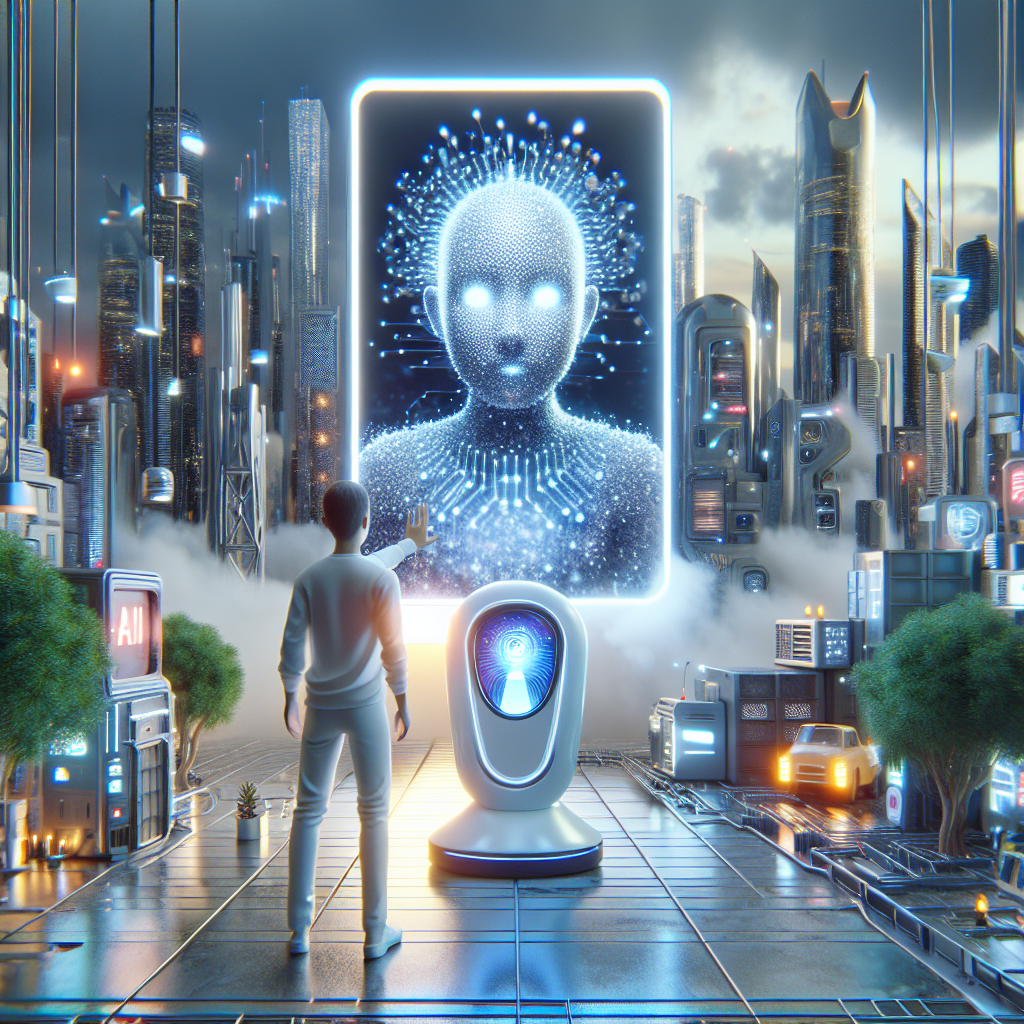
AI Soul Mirrors See Yourself Differently in 2025
Meta Description: Discover how AI soul mirrors will revolutionize self-perception in 2025. Explore the future of personalized AI and its impact on your self-image.
Are you ready to see yourself in a completely new light? Imagine a world where personalized AI crafts a reflection that goes beyond the surface, revealing deeper aspects of your personality and potential. By 2025, AI soul mirrors promise to transform how we perceive ourselves, offering insights previously hidden from view. This technology isn’t just about vanity; it’s about unlocking a more profound understanding of who you are and who you could become.
The Dawn of AI Soul Mirrors
AI soul mirrors represent a significant leap in personalized AI. They use advanced algorithms to analyze your behavior, preferences, and even subtle emotional cues to construct a multi-dimensional self-portrait. Unlike traditional mirrors, these digital interfaces offer a dynamic and evolving reflection, adapting to your growth and changes over time.
How AI Soul Mirrors Work
AI soul mirrors leverage several cutting-edge technologies:
– Facial Recognition: Advanced algorithms identify and map facial features, analyzing micro-expressions and subtle changes in appearance.
– Natural Language Processing (NLP): NLP analyzes your communication style, identifying patterns in your speech and writing to gain insights into your thoughts and feelings.
– Behavioral Analysis: By tracking your online activity, social media interactions, and other digital footprints, the AI can build a comprehensive profile of your behavior.
– Emotion AI: This technology detects and interprets your emotional state, providing feedback on how your emotions influence your self-perception.The Benefits of Personalized AI Reflections
The applications of AI soul mirrors extend far beyond mere entertainment. They offer profound benefits for personal development, mental health, and self-discovery.
Enhancing Self-Awareness
One of the primary benefits of AI soul mirrors is their ability to enhance self-awareness. By providing a comprehensive analysis of your strengths, weaknesses, and behavioral patterns, these mirrors can help you identify areas for personal growth and development.
– Identifying Blind Spots: AI can reveal unconscious biases or habits that may be hindering your progress.
– Understanding Emotional Triggers: By analyzing your emotional responses to different situations, you can learn to manage your emotions more effectively.
– Recognizing Your Strengths: AI can highlight your unique talents and abilities, helping you focus on your areas of expertise.Boosting Mental Health
AI soul mirrors can also play a crucial role in promoting mental health and well-being. By providing personalized feedback and support, these mirrors can help you manage stress, anxiety, and other mental health challenges.
– Personalized Affirmations: AI can generate customized affirmations based on your individual needs and goals, helping you build self-esteem and confidence.
– Stress Management Techniques: AI can guide you through relaxation exercises, mindfulness practices, and other stress-reducing techniques.
– Early Detection of Mental Health Issues: By monitoring your emotional state and behavioral patterns, AI can detect early signs of depression, anxiety, or other mental health issues, allowing you to seek help before they escalate. A study published in the Journal of the American Medical Association (JAMA) highlights the potential of AI in early mental health diagnosis [https://jamanetwork.com/].The Ethical Considerations of AI Soul Mirrors
As with any advanced technology, AI soul mirrors raise important ethical considerations that must be addressed to ensure responsible and beneficial use.
Data Privacy and Security
One of the primary concerns is the privacy and security of the data collected by AI soul mirrors. These systems gather vast amounts of personal information, including facial features, communication patterns, and behavioral data. It is crucial to implement robust security measures to protect this data from unauthorized access or misuse.
– Data Encryption: All data should be encrypted both in transit and at rest to prevent interception or theft.
– Access Controls: Strict access controls should be implemented to limit who can access the data and for what purposes.
– Transparency: Users should be fully informed about what data is being collected, how it is being used, and with whom it is being shared.Bias and Discrimination
Another ethical concern is the potential for bias and discrimination in AI algorithms. If the algorithms are trained on biased data, they may perpetuate or amplify existing social inequalities.
– Diverse Training Data: AI algorithms should be trained on diverse and representative datasets to minimize bias.
– Fairness Audits: Regular audits should be conducted to identify and address any biases in the algorithms.
– Human Oversight: Human oversight is essential to ensure that the AI is not making discriminatory decisions.Real-World Applications of Personalized AI Mirrors
The potential applications of AI soul mirrors are vast and varied, spanning across different industries and sectors.
Personal Development
AI soul mirrors can serve as personal development tools, providing users with insights and guidance to achieve their goals and aspirations.
– Career Coaching: AI can analyze your skills, interests, and personality traits to recommend career paths that align with your strengths and passions.
– Relationship Counseling: AI can help you understand your relationship dynamics and identify areas for improvement.
– Fitness and Wellness: AI can track your fitness progress, provide personalized workout recommendations, and offer nutritional guidance.Healthcare
In healthcare, AI soul mirrors can be used to monitor patients’ health conditions, detect early signs of disease, and provide personalized treatment recommendations.
– Remote Patient Monitoring: AI can track patients’ vital signs, monitor their medication adherence, and detect any changes in their condition.
– Mental Health Support: AI can provide personalized therapy, support groups, and crisis intervention services.
– Personalized Medicine: AI can analyze patients’ genetic information, lifestyle factors, and medical history to develop customized treatment plans.The Future of Seeing Yourself
As AI technology continues to evolve, AI soul mirrors are poised to become an integral part of our lives, transforming how we perceive ourselves and interact with the world around us. The integration of personalized AI will lead to more accurate and helpful reflections.
Advancements in AI Technology
The future of AI soul mirrors will be shaped by ongoing advancements in AI technology.
– Improved Accuracy: As AI algorithms become more sophisticated, they will be able to provide even more accurate and nuanced insights into our personalities and behaviors.
– Enhanced Personalization: AI will be able to tailor its feedback and recommendations to our individual needs and preferences.
– Seamless Integration: AI soul mirrors will be seamlessly integrated into our daily lives, becoming a natural extension of our self-perception.The Impact on Society
The widespread adoption of AI soul mirrors could have profound implications for society.
– Greater Self-Awareness: As more people gain access to AI-powered self-reflection tools, we may see a rise in self-awareness and personal growth.
– Stronger Relationships: By helping us understand ourselves and others better, AI soul mirrors could foster stronger and more meaningful relationships.
– More Inclusive Society: By identifying and addressing biases, AI could help create a more equitable and inclusive society.AI soul mirrors represent a groundbreaking fusion of technology and self-discovery, poised to redefine how we see ourselves by 2025. From enhancing self-awareness and promoting mental health to offering personalized guidance and support, the potential benefits are immense. As we navigate this exciting frontier, let’s embrace the opportunity to unlock a deeper understanding of ourselves and create a brighter, more fulfilling future.
For more insights or collaboration opportunities, visit www.MajesticVision.com.
-
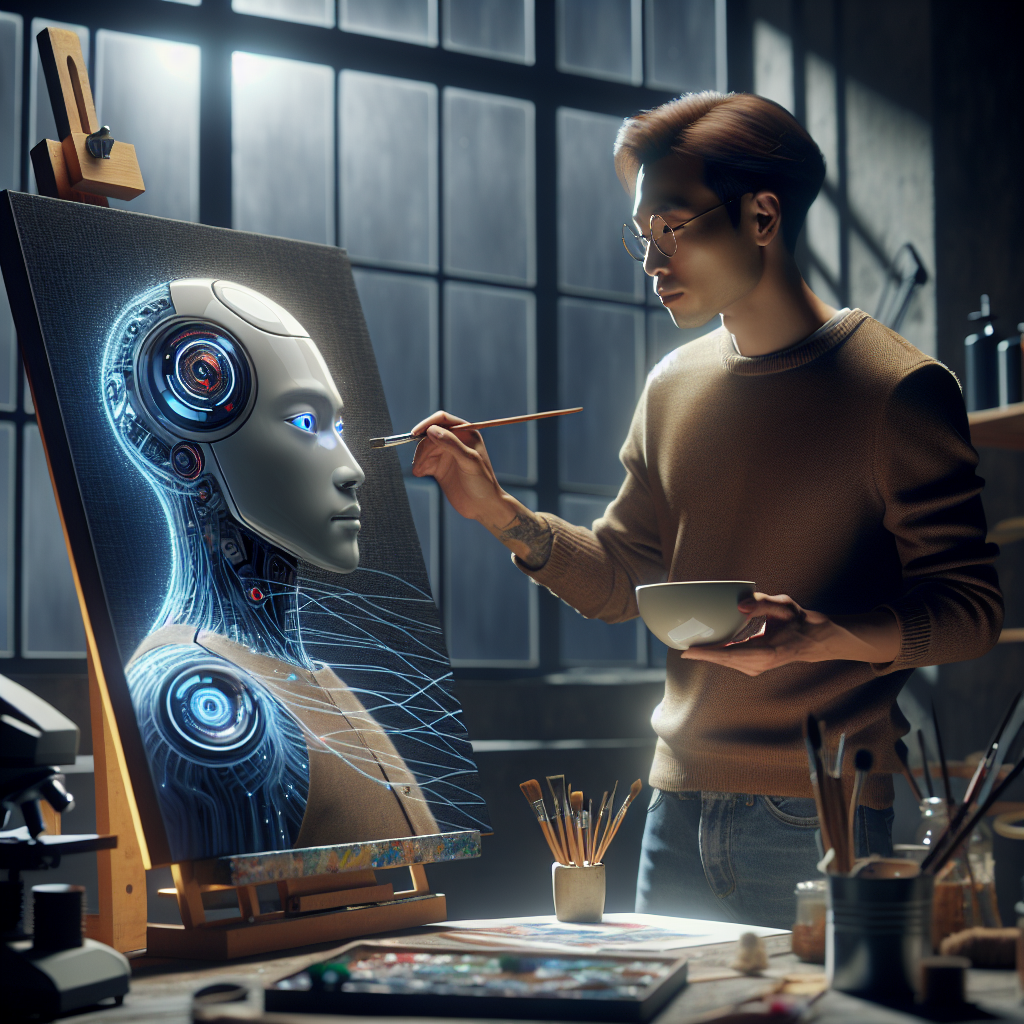
Unlock Your Inner Artist The Surprising AI Muse in 2025
Can AI truly unlock untapped wells of imagination within us? By 2025, the landscape of creativity is being radically reshaped, with AI creativity acting as both a powerful tool and an unexpected muse. Artists and innovators are discovering that artificial intelligence is not a replacement for human ingenuity, but rather a catalyst that amplifies it, leading to astonishing breakthroughs and entirely new forms of artistic expression.
The Dawn of the AI-Powered Renaissance
The integration of artificial intelligence into creative fields signifies more than just a technological upgrade; it signals a profound shift in how we conceive, develop, and experience art. This “AI-powered renaissance” is democratizing the creative process, allowing individuals with diverse backgrounds and skill levels to participate in artistic endeavors previously confined to specialists.
AI as a Creative Partner
AI tools are no longer just assistants that perform mundane tasks. They are evolving into genuine creative partners, capable of generating original ideas, suggesting novel approaches, and even executing complex artistic visions. Think of AI algorithms that can:
– Compose original music in any style, adapting to the user’s preferences and emotional cues.
– Create stunning visual art, from photorealistic images to abstract masterpieces, based on simple text prompts.
– Generate compelling narratives and screenplays, complete with nuanced characters and intricate plotlines.Breaking Down Creative Barriers
One of the most exciting aspects of this AI-driven revolution is its ability to break down traditional barriers to entry in the creative industries. Aspiring artists who may lack formal training or technical expertise can now leverage AI tools to bring their ideas to life. AI empowers creators by:
– Providing accessible platforms for experimentation and self-expression.
– Automating tedious and time-consuming tasks, freeing up artists to focus on the core creative aspects of their work.
– Offering personalized feedback and guidance, helping artists to refine their skills and develop their unique styles.Exploring the Spectrum of AI Creativity
The applications of AI in creative fields are incredibly diverse, spanning a wide range of mediums and disciplines. From visual arts and music to writing and design, AI is empowering artists to push the boundaries of what is possible.
Visual Arts Transformed
AI has revolutionized the visual arts, offering artists new tools for creation and exploration. AI algorithms can generate stunning images from simple text prompts, create unique textures and patterns, and even assist in the restoration of damaged artwork.
– AI-powered image generators like DALL-E 2 and Midjourney are enabling artists to create photorealistic images, abstract art, and everything in between, simply by typing in a description.
– Neural style transfer algorithms allow artists to apply the artistic style of one image to another, creating unique and visually striking effects.
– AI is also being used to analyze and authenticate artwork, helping to combat forgery and preserve cultural heritage.Musical Innovation with AI
The music industry is also undergoing a dramatic transformation, with AI playing an increasingly prominent role in composition, performance, and production. AI algorithms can compose original music in any style, generate realistic instrument sounds, and even perform live on stage.
– AI-powered music composition tools like Amper Music and Jukebox are enabling anyone to create original music, regardless of their musical background.
– Virtual synthesizers and instruments powered by AI are offering musicians new and innovative ways to create sounds and textures.
– AI is also being used to analyze and predict music trends, helping artists and labels to stay ahead of the curve.Writing and Storytelling Reimagined
AI is also transforming the way we write and tell stories, offering writers new tools for generating ideas, developing characters, and crafting compelling narratives. AI algorithms can generate text in a variety of styles, translate languages, and even provide feedback on writing quality.
– AI-powered writing assistants like Grammarly and ProWritingAid are helping writers improve their grammar, style, and clarity.
– Natural language generation (NLG) models are being used to create news articles, product descriptions, and other forms of written content.
– AI is also being used to generate dialogue, plotlines, and character descriptions for novels, screenplays, and other forms of storytelling.Navigating the Ethical Considerations of AI-Driven Art
As AI becomes more deeply integrated into creative processes, it is essential to address the ethical implications of this technology. Questions surrounding authorship, ownership, and the potential for bias in AI algorithms must be carefully considered to ensure that AI is used responsibly and ethically in the arts.
Authorship and Ownership in the Age of AI
One of the most pressing ethical questions is who should be considered the author or owner of AI-generated art. Is it the person who provided the initial prompt, the developers of the AI algorithm, or the AI itself?
– Current legal frameworks generally recognize the human creator as the author, even if AI played a significant role in the creation process.
– However, some argue that AI should be granted some form of intellectual property rights, particularly in cases where the AI’s contribution is substantial.
– Clear guidelines and legal frameworks are needed to address these complex issues and protect the rights of all stakeholders.Addressing Bias and Representation
AI algorithms are trained on vast datasets of information, which can reflect existing biases and prejudices in society. This can lead to AI-generated art that perpetuates harmful stereotypes or excludes certain groups of people.
– It is crucial to carefully curate the datasets used to train AI algorithms, ensuring that they are diverse and representative of different perspectives.
– AI developers should also implement safeguards to prevent AI from generating biased or discriminatory content.
– Artists and users should be aware of the potential for bias in AI algorithms and take steps to mitigate its impact.Preserving Human Creativity
While AI offers incredible potential for enhancing creativity, it is important to ensure that it does not stifle human expression or devalue the role of human artists.
– AI should be used as a tool to augment and amplify human creativity, not to replace it entirely.
– Artists should focus on developing their unique skills and perspectives, rather than relying solely on AI to generate art.
– Education and training programs are needed to help artists understand how to use AI effectively and ethically in their work. According to a recent study by the National Endowment for the Arts, investment in arts education is crucial for fostering creativity in the age of AI. [https://www.arts.gov/](https://www.arts.gov/)Future-Proofing Your Creative Skills
In a world increasingly shaped by AI, it is essential for artists to adapt and evolve their skills to remain competitive and relevant. By embracing AI as a tool and focusing on developing uniquely human skills, artists can thrive in the AI-powered renaissance.
Embrace Lifelong Learning
The field of AI is constantly evolving, so it is important for artists to stay up-to-date on the latest developments and trends.
– Take online courses, attend workshops, and read articles and books about AI and its applications in the arts.
– Experiment with different AI tools and techniques to discover new ways of working and creating.
– Join online communities and connect with other artists who are using AI in their work.Cultivate Uniquely Human Skills
While AI can automate many tasks, there are certain skills that are uniquely human and cannot be replicated by machines. These include:
– Critical thinking: The ability to analyze information, evaluate arguments, and form independent judgments.
– Emotional intelligence: The ability to understand and manage emotions, both in oneself and in others.
– Creativity and innovation: The ability to generate new ideas, solve problems, and create original works of art.The Symbiotic Future of AI and Art
The future of art is not about AI replacing human artists, but rather about AI and humans working together in a symbiotic relationship. AI can handle the technical and repetitive aspects of art creation, freeing up artists to focus on the conceptual and emotional aspects of their work. This collaboration allows for:
– Enhanced productivity: AI tools can significantly speed up the creative process, allowing artists to produce more work in less time.
– Increased experimentation: AI can enable artists to explore new ideas and techniques that would be impossible to achieve on their own.
– Greater accessibility: AI can democratize the creative process, making it accessible to people with diverse backgrounds and skill levels.Conclusion: Embracing the AI Muse
The rise of AI creativity presents both challenges and opportunities for artists and innovators. By embracing AI as a creative partner, navigating the ethical considerations, and future-proofing their skills, artists can unlock new levels of imagination and create groundbreaking works of art. The AI muse is here to stay, and it is up to us to harness its power and shape the future of creativity.
Ready to explore the endless possibilities of AI in art? Start experimenting with AI tools today and discover how AI can amplify your creative vision. For more insights or collaboration opportunities, visit www.MajesticVision.com.
-
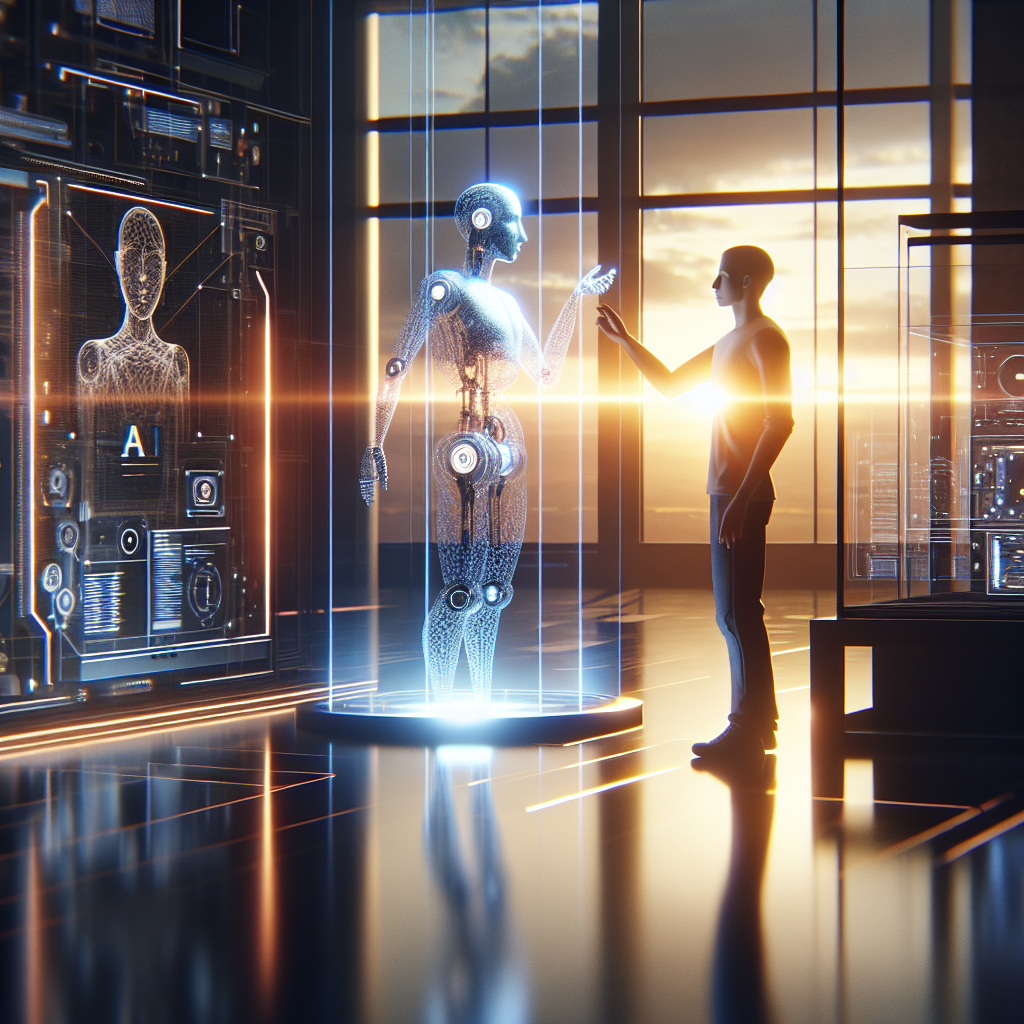
Unlock Your Inner Genius Partnering with AI
Meta Description: Discover how AI collaboration can unlock your hidden potential. Learn strategies for effective human-AI partnerships & boost your creative output!
The Dawn of Augmented Intelligence
Have you ever felt limited by your own knowledge or skills? What if you could instantly access a vast database of information and insights, guided by an intelligent partner? The reality of AI collaboration is no longer a futuristic fantasy; it’s transforming how we work, create, and innovate today. Businesses and individuals are finding that the future involves AI and human collaboration to leverage the strengths of both.
Unveiling the Power of AI Collaboration
AI is rapidly evolving, and its capacity to augment human capabilities is profound. This isn’t about replacing humans but empowering them to achieve more. AI collaboration means combining human creativity, emotional intelligence, and critical thinking with AI’s analytical power, speed, and data processing capabilities.
Boosting Productivity and Efficiency
AI can automate repetitive tasks, freeing up human workers to focus on higher-level strategic thinking and creative problem-solving. This leads to significant gains in productivity and efficiency across various industries. For example, AI-powered tools can:
– Automate data entry and analysis, reducing errors and saving time.
– Generate reports and presentations, freeing up time for strategic planning.
– Manage schedules and appointments, improving overall organization.Enhancing Creativity and Innovation
AI can serve as a powerful brainstorming partner, offering novel ideas and perspectives that humans might not have considered. AI tools can analyze vast amounts of data to identify patterns and trends, sparking new avenues for innovation. For example:
– AI-powered design tools can generate multiple design options based on user preferences.
– AI algorithms can analyze market trends to identify unmet needs and opportunities.
– AI can personalize content and experiences, enhancing customer engagement.Strategies for Effective AI Collaboration
To maximize the benefits of AI collaboration, it’s crucial to adopt effective strategies that foster synergy between humans and machines.
Defining Clear Goals and Objectives
Before implementing AI tools, it’s essential to define clear goals and objectives. What specific tasks or processes do you want to improve? What outcomes do you expect to achieve?
– Start with a pilot project to test and refine your approach.
– Set realistic expectations and track progress regularly.
– Focus on areas where AI can provide the greatest value.Choosing the Right AI Tools
The market offers a wide range of AI tools, each with its own strengths and weaknesses. Select tools that align with your specific needs and capabilities.
– Consider factors such as ease of use, scalability, and integration with existing systems.
– Evaluate the accuracy and reliability of the AI algorithms.
– Seek recommendations from experts and industry peers.Fostering a Collaborative Culture
Effective AI collaboration requires a culture of openness, trust, and continuous learning. Encourage employees to experiment with AI tools and share their experiences.
– Provide training and support to help employees develop the skills they need to work effectively with AI.
– Create opportunities for humans and AI to interact and learn from each other.
– Celebrate successes and learn from failures.The Ethical Considerations of AI Collaboration
As AI becomes more integrated into our lives, it’s essential to address the ethical considerations surrounding its use. Ensure fairness, transparency, and accountability in AI systems to mitigate potential risks.
Data Privacy and Security
Protect sensitive data by implementing robust security measures and adhering to privacy regulations. Ensure that AI systems comply with ethical guidelines and respect individual rights. For additional resources, refer to the guidelines provided by organizations like the IEEE, which offers comprehensive standards for AI ethics and governance: https://standards.ieee.org/ieee/2832/9544/
Bias and Discrimination
Address potential biases in AI algorithms to ensure fair and equitable outcomes. Regularly audit AI systems to identify and mitigate discriminatory practices.
Job Displacement
Mitigate the potential for job displacement by investing in training and education programs that equip workers with the skills they need to thrive in the age of AI. Focus on roles that require uniquely human skills, such as creativity, critical thinking, and emotional intelligence.
Real-World Examples of Successful AI Collaboration
Numerous organizations are already reaping the benefits of AI collaboration, demonstrating the transformative potential of this approach.
Healthcare
AI-powered diagnostic tools are helping doctors detect diseases earlier and more accurately. AI algorithms can analyze medical images, identify patterns, and provide insights that assist in diagnosis and treatment planning.
Finance
AI is being used to detect fraud, assess risk, and personalize financial advice. AI algorithms can analyze vast amounts of financial data to identify suspicious transactions and provide tailored investment recommendations.
Marketing
AI-powered marketing automation tools are helping businesses personalize customer experiences and improve campaign performance. AI algorithms can analyze customer data to identify segments, personalize messages, and optimize marketing spend.
Embracing AI Collaboration for Future Success
AI collaboration is no longer a futuristic concept; it’s a present-day reality that’s reshaping industries and empowering individuals. By embracing this powerful approach, you can unlock your inner genius and achieve new levels of success.
Harnessing AI isn’t just about integrating new tools; it’s about fostering a symbiotic partnership where human intellect and artificial intelligence amplify each other’s capabilities. When humans work hand-in-hand with AI, we are able to redefine the boundaries of what’s possible.
For more insights or collaboration opportunities, visit www.MajesticVision.com.
-
Unlock Your Potential: How AI and Intuition Dance Together in 2025
Meta Description: Explore how AI intuition is reshaping decision-making in 2025. Discover the perfect blend of artificial intelligence and human insight for future success.
The Rise of AI Intuition in Decision-Making
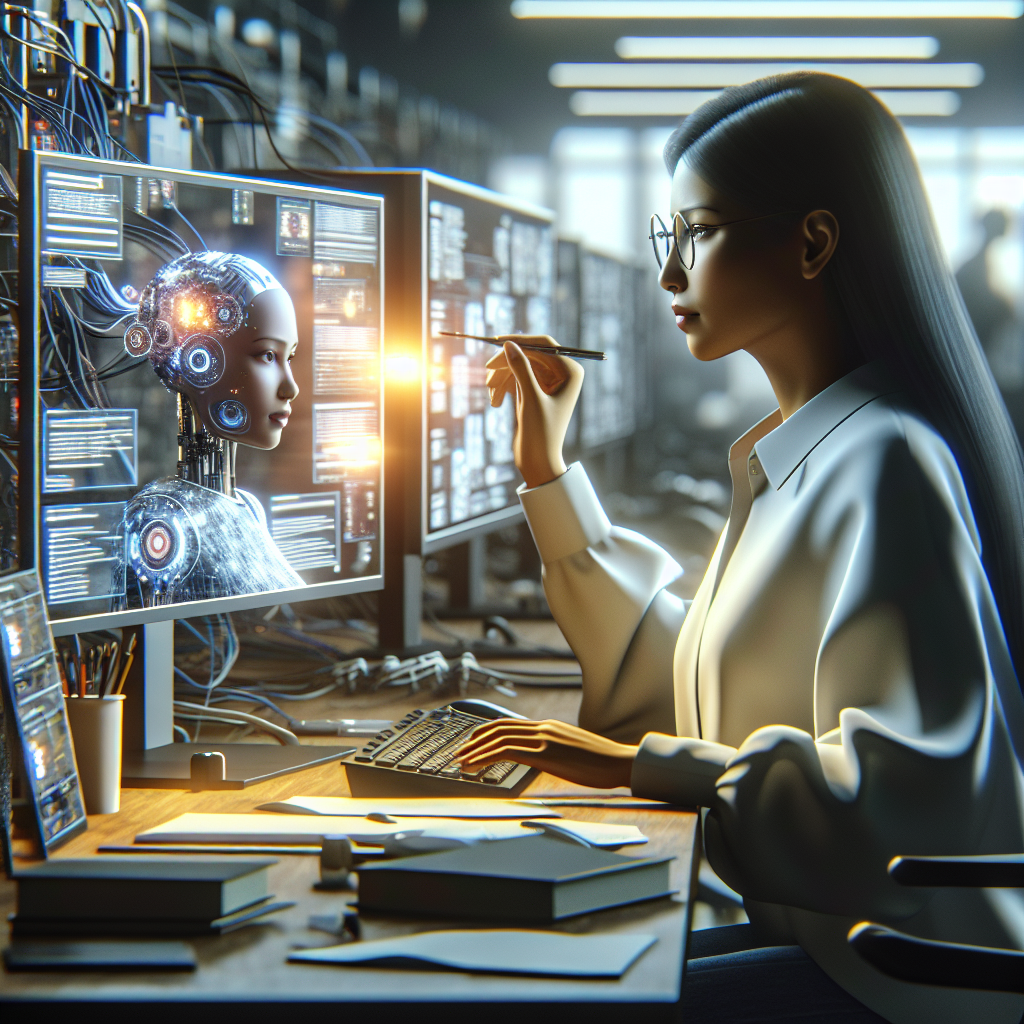
Imagine a world where artificial intelligence doesn’t just crunch numbers but also anticipates possibilities with near-human intuition. It’s closer than you think. As we advance into 2025, the confluence of AI and human intuition is set to redefine how we approach problem-solving and decision-making. The concept of AI intuition, once relegated to science fiction, is rapidly becoming a tangible asset for businesses and individuals alike.
What Exactly is AI Intuition?
AI intuition isn’t about robots developing feelings; it’s about advanced algorithms that can recognize patterns, make predictions, and offer solutions in ways that mimic human instinctive understanding. Think of it as AI’s ability to “read between the lines” of complex data sets, identifying opportunities and risks that might be invisible to the human eye. This capability stems from developments in machine learning, neural networks, and predictive analytics, allowing AI to anticipate future outcomes based on historical data and evolving trends.
Examples of AI Intuition in Action
– In finance, AI intuition can predict market fluctuations with greater accuracy, enabling more informed investment decisions.
– In healthcare, it can assist in diagnosing diseases earlier by recognizing subtle patterns in medical images and patient data.
– In manufacturing, AI intuition can optimize production processes, reducing waste and improving efficiency.
– In cybersecurity, it can anticipate and prevent cyberattacks by identifying anomalies and suspicious activities in real-time.Bridging the Gap: How Humans and AI Can Collaborate
The real power of AI intuition lies not in replacing human judgment but in augmenting it. By combining the computational power of AI with the creative and emotional intelligence of humans, we can unlock unprecedented levels of innovation and effectiveness. The key is to foster a collaborative environment where AI provides insights, and humans provide context, ethics, and critical thinking.
The Role of Emotional Intelligence in AI Development
Emotional intelligence (EQ) is traditionally seen as a uniquely human trait, encompassing empathy, self-awareness, and social skills. However, as AI evolves, there’s growing interest in incorporating aspects of EQ into its algorithms. This doesn’t mean AI will suddenly develop feelings, but it could learn to recognize and respond to human emotions in ways that enhance collaboration and decision-making.
How AI Can Learn to “Understand” Emotions
While AI cannot truly feel emotions, it can be trained to recognize emotional cues from data such as facial expressions, voice tonality, and text analysis. By analyzing these cues, AI can adapt its responses to be more empathetic and effective, improving communication and building trust. For instance, a customer service chatbot equipped with emotional recognition capabilities could tailor its responses to address a customer’s frustration or anxiety, leading to a more positive interaction.
Examples of Emotionally Intelligent AI
– AI-powered therapy bots that offer personalized support and guidance based on a user’s emotional state.
– Virtual assistants that can detect when a user is stressed or overwhelmed and offer assistance or encouragement.
– Marketing tools that analyze customer feedback to identify emotional trends and tailor advertising campaigns accordingly.Challenges and Ethical Considerations
The development of emotionally intelligent AI raises important ethical considerations. How do we ensure that AI is not manipulating or exploiting human emotions? How do we prevent bias in emotional recognition algorithms? These are questions that require careful consideration and ongoing dialogue as AI technology continues to advance. As noted in a recent study published by MIT, “The ethical implications of AI-driven emotional analysis must be carefully considered to prevent misuse and ensure fairness” (MIT Technology Review).
Intuition Amplified: AI’s Impact Across Industries
The synthesis of AI and intuition is not limited to a single sector; its transformative effects are being felt across diverse industries. From enhancing customer experiences to optimizing operational efficiencies, AI intuition is driving innovation and creating new opportunities for growth.
Healthcare: Predictive Diagnostics and Personalized Treatment
In healthcare, AI intuition can analyze vast amounts of patient data to predict the likelihood of disease outbreaks, personalize treatment plans, and identify potential drug interactions. By recognizing subtle patterns that might be missed by human doctors, AI can improve diagnostic accuracy and enable more proactive and preventative care.
Case Study: AI-Powered Cancer Detection
Several studies have shown that AI algorithms can detect cancerous tumors in medical images with comparable or even superior accuracy to human radiologists. This technology has the potential to significantly reduce diagnostic delays and improve patient outcomes.
Finance: Fraud Detection and Risk Management
In the financial sector, AI intuition is being used to detect fraudulent transactions, assess credit risk, and optimize investment portfolios. By analyzing real-time data and historical trends, AI can identify suspicious activities and predict market fluctuations with greater accuracy than traditional methods.
Example: AI-Driven Fraud Prevention
Many banks and credit card companies now use AI algorithms to monitor transactions for signs of fraud. These algorithms can detect unusual spending patterns, identify compromised accounts, and prevent unauthorized access to funds.
Retail: Personalized Shopping Experiences and Inventory Optimization
Retailers are leveraging AI intuition to personalize shopping experiences, optimize inventory levels, and improve supply chain efficiency. By analyzing customer data and predicting demand patterns, AI can help retailers offer targeted promotions, ensure product availability, and minimize waste.
Example: AI-Powered Recommendation Engines
Online retailers like Amazon and Netflix use AI algorithms to recommend products or movies to customers based on their past purchases and viewing history. These recommendation engines can significantly increase sales and customer engagement.
Overcoming Challenges in Implementing AI Intuition
While the potential benefits of AI intuition are significant, there are also challenges to overcome in its implementation. These challenges include data quality, algorithm bias, and the need for human oversight.
Data Quality and Availability
AI algorithms are only as good as the data they are trained on. If the data is incomplete, inaccurate, or biased, the AI’s predictions will be unreliable. Ensuring data quality and availability is crucial for the success of AI intuition initiatives.
Strategies for Improving Data Quality
– Implement data validation and cleansing procedures.
– Collect data from diverse sources to reduce bias.
– Continuously monitor and update data sets.Algorithm Bias and Fairness
AI algorithms can perpetuate and amplify existing biases in the data they are trained on. This can lead to unfair or discriminatory outcomes. Addressing algorithm bias requires careful attention to data selection, algorithm design, and ongoing monitoring.
Techniques for Mitigating Algorithm Bias
– Use diverse and representative training data.
– Employ fairness-aware machine learning techniques.
– Conduct regular audits to identify and correct biases.The Importance of Human Oversight
AI intuition should not be seen as a replacement for human judgment. Instead, it should be used as a tool to augment human capabilities. Human oversight is essential to ensure that AI’s predictions are accurate, ethical, and aligned with organizational goals.
Best Practices for Human-AI Collaboration
– Establish clear roles and responsibilities for humans and AI.
– Provide training and support to help humans understand and use AI effectively.
– Implement feedback mechanisms to continuously improve AI performance.Future Trends: The Evolution of AI and Human Symbiosis
Looking ahead, the integration of AI and human intuition is poised to become even more seamless and sophisticated. Advances in areas such as explainable AI (XAI) and human-computer interaction (HCI) will further enhance collaboration and trust between humans and machines.
Explainable AI (XAI)
XAI aims to make AI’s decision-making processes more transparent and understandable to humans. By providing explanations for its predictions and recommendations, XAI can help build trust and confidence in AI systems.
Benefits of XAI
– Increased transparency and accountability.
– Improved user understanding and acceptance.
– Enhanced ability to identify and correct errors.Human-Computer Interaction (HCI)
HCI focuses on designing interfaces that are intuitive, user-friendly, and conducive to collaboration. By improving the way humans interact with AI systems, HCI can enhance productivity, reduce errors, and foster innovation.
Examples of HCI Advancements
– Natural language processing (NLP) interfaces that allow users to communicate with AI using spoken or written language.
– Virtual reality (VR) and augmented reality (AR) interfaces that provide immersive and interactive experiences.
– Brain-computer interfaces (BCI) that enable direct communication between the human brain and AI systems.Embrace the Future of AI Intuition Today
As we journey further into the age of AI, the ability to harness both artificial intelligence and human intuition will be a critical determinant of success. By understanding the principles of AI intuition, addressing its challenges, and embracing its potential, individuals and organizations can unlock new levels of innovation, efficiency, and impact. The dance between AI and human intuition is just beginning, and the future is ripe with possibilities.
For more insights or collaboration opportunities, visit www.MajesticVision.com.
-
Unlock Your Inner Artist The AI-Powered Muse is Here
Meta description: Unleash your creative potential with AI art! Explore how AI-powered tools are revolutionizing artistic expression and making art accessible to everyone.
The AI Art Revolution: A New Era of Creativity
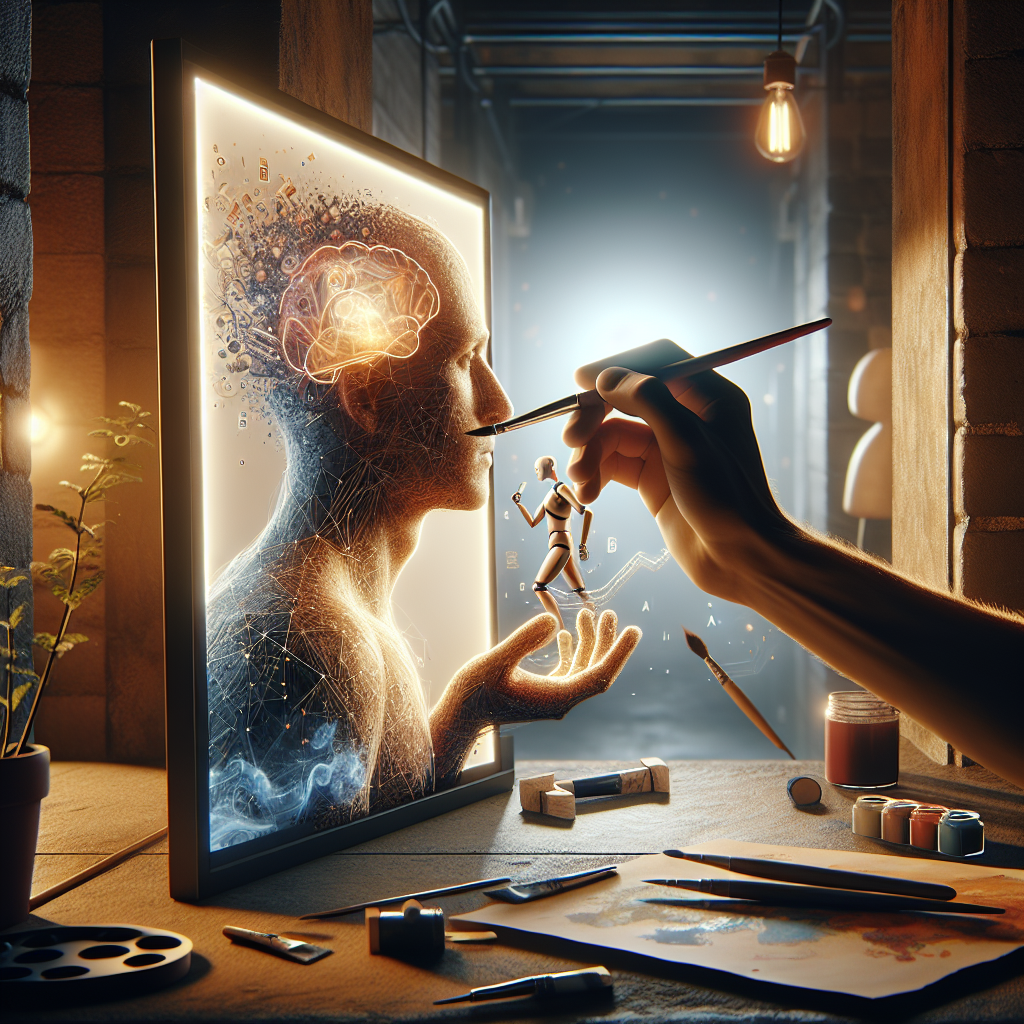
Have you ever dreamed of creating stunning artwork but felt limited by your skills? What if technology could bridge that gap, turning your imagination into tangible visuals? The rise of AI art is doing just that, democratizing artistic expression and opening up exciting new avenues for creativity.
AI art is rapidly transforming the creative landscape, offering tools and platforms that empower both seasoned artists and complete beginners. It’s not about replacing human creativity, but augmenting it, allowing us to explore new ideas and push the boundaries of what’s possible.
How AI is Changing the Art World
AI’s impact on the art world is multifaceted, touching everything from creation to curation.
– AI-powered tools can generate unique images, styles, and variations based on simple text prompts.
– Artists are using AI to enhance their existing workflows, automating tedious tasks and freeing up time for more creative exploration.
– Museums and galleries are experimenting with AI to create interactive exhibits and personalize the visitor experience.Democratizing Art: AI for Everyone
One of the most significant benefits of AI art is its accessibility. You no longer need years of training or specialized equipment to create something beautiful. With user-friendly interfaces and intuitive tools, anyone can tap into their inner artist.
– AI art generators provide templates, styles, and customizable options that simplify the creative process.
– Online communities and forums offer support, inspiration, and opportunities to share your creations.
– Many AI art platforms offer free trials or affordable subscription plans, making them accessible to a wide range of users.Exploring the Possibilities: Types of AI Art
The world of AI art is incredibly diverse, encompassing various techniques and styles. Understanding these different approaches can help you find the tools that best suit your creative vision.
– Text-to-Image Generation: Simply type a description, and AI will generate an image based on your words.
– Style Transfer: Apply the style of one image to another, creating unique and interesting visual effects.
– Image Enhancement: Use AI to improve the quality of existing images, enhancing resolution, color, and detail.Text-to-Image AI: Unleashing Creativity with Words
Text-to-image AI is arguably the most popular form of AI art. By simply typing a description, you can conjure up images that previously only existed in your imagination.
– Tools like DALL-E 2, Midjourney, and Stable Diffusion are leading the way in text-to-image generation.
– Experiment with different prompts, styles, and parameters to achieve your desired results.
– The possibilities are endless, from photorealistic landscapes to abstract digital art.Example: Entering the prompt “A vibrant sunset over a futuristic cityscape” into a text-to-image generator can produce a breathtaking image that captures the essence of your vision.
Ethical Considerations in AI Art
As with any emerging technology, AI art raises important ethical questions that we need to address. These include:
– Copyright and ownership: Who owns the copyright to AI-generated art? The user? The AI developer?
– Bias and representation: How can we ensure that AI art algorithms are free from bias and accurately represent diverse cultures and perspectives?
– The role of human creativity: Is AI art truly “art” if it’s generated by a machine? What is the value of human creativity in the age of AI?Addressing these questions requires open dialogue, collaboration, and the development of ethical guidelines to ensure that AI art is used responsibly and fairly.
Practical Tips for Creating Stunning AI Art
Creating compelling AI art involves more than just typing in a prompt. Here are some practical tips to help you elevate your creations:
1. Be Specific with Your Prompts: The more detailed and specific your prompts, the better the AI can understand your vision. Instead of “a flower,” try “a close-up of a dew-covered rose in the style of Van Gogh.”
2. Experiment with Different Styles: Explore various artistic styles, such as Impressionism, Surrealism, or Cubism, to add depth and visual interest to your art.
3. Use High-Quality Input Images: If you’re using AI to enhance existing images, start with the highest quality originals possible.
4. Iterate and Refine: Don’t be afraid to experiment with different variations and refine your prompts until you achieve the desired results.
5. Leverage Online Communities: Join online communities and forums dedicated to AI art to learn from other artists, share your work, and get feedback.
Quoting Cathy Hackl, a tech futurist, “AI will not replace artists, but artists who use AI will replace those who don’t.”
The Future of AI and Creative Expression
The future of AI art is bright, with endless possibilities on the horizon. As AI technology continues to evolve, we can expect to see even more sophisticated tools and platforms that empower us to create and express ourselves in new and innovative ways. According to a report by Grand View Research, the global AI market size was valued at USD 136.6 billion in 2022 and is expected to grow at a compound annual growth rate (CAGR) of 37.3% from 2023 to 2030 [Outbound link to: https://www.grandviewresearch.com/industry-analysis/artificial-intelligence-ai-market].
– AI-powered virtual reality experiences that allow us to step inside our own creations.
– Personalized art that adapts to our individual preferences and emotions.
– AI collaborations between artists and machines, blurring the lines between human and artificial creativity.The AI-powered muse is here, ready to inspire and empower you to unlock your inner artist. Embrace the possibilities, experiment with new tools, and discover the joy of creating in this exciting new era of art.
Ready to unleash your creative potential? Explore the world of AI art and discover how it can transform your artistic journey. Sign up for our newsletter to receive the latest AI art tips, tutorials, and inspiration.
For more insights or collaboration opportunities, visit www.MajesticVision.com.