
Your cart is currently empty!
Category: Philosophy
-
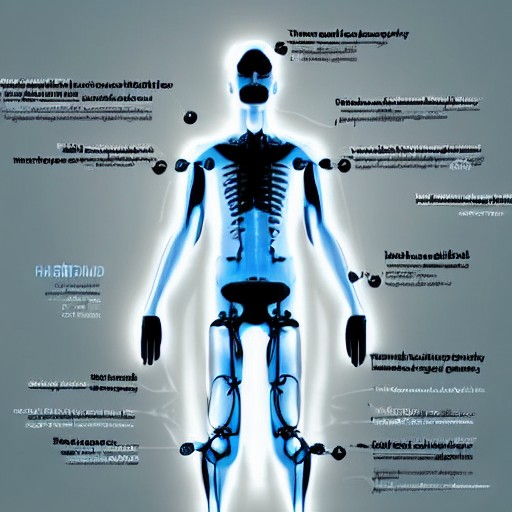
The Existential Transhuman

similarities between transhumanism and existentialism revealed There are a few key ways in which transhumanism and existentialism differ. For one, transhumanism is focused on using technology to improve the human condition, while existentialism is more concerned with the philosophical implications of existence itself. Additionally, transhumanists typically believe that humans can and should strive to transcend their current limitations, while existentialists may see such limitations as inherent and unavoidable parts of the human experience. Finally, transhumanists tend to be optimistic about the future potential of humanity, while existentialists are often more pessimistic about what life has to offer.
Despite these differences, there are also some significant similarities between transhumanism and existentialism. Both philosophies emphasize the importance of individual freedom and choice, for example. Additionally, both transhumanism and existentialism are concerned with the ways in which humans can create meaning in their lives. Ultimately, then, transhumanism and existentialism are two philosophies that offer different perspectives on the human condition, but which also share some important commonalities.
-

Straw Man
A straw man is a logical fallacy that occurs when an opponent’s argument is misrepresented in order to be more easily attacked or refuted. The straw man fallacy is often used in political debates and in other heated arguments. The straw man fallacy gets its name from the fact that it is easier to knock down a straw man than it is to knock down a real person. When someone uses the straw man fallacy, they are creating a false version of their opponent’s argument in order to make it easier to attack.
The straw man fallacy is also sometimes called the “false dilemma” or the “false dichotomy.” This is because the straw man argument often presents two options as if they are the only possible options when in reality there are other options. For example, imagine that you are trying to decide whether or not to buy a new car. Your friend argues against buying the car, saying “You don’t need a new car, your old car is just fine.” This is an example of the straw man fallacy. Your friend has created a false dichotomy by presenting only two options: buying a new car or keeping your old car. In reality, there are other options, such as leasing a car, borrowing a car, or taking public transportation.
The straw man fallacy is a type of false argument that can be difficult to spot. The straw man fallacy is also sometimes used in political debates. For example, imagine that two candidates are debating the issue of taxation. Candidate A says “We need to raise taxes on the wealthy in order to provide more funding for education and social programs.” Candidate B responds by saying “Candidate A wants to raise taxes on hard-working families.” This is a straw man argument, because Candidate B has misrepresented Candidate A’s position.
The straw man fallacy is a type of false argument, and it can be hard to spot. However, there are a few things that you can look for that may help you identify a straw man argument:
– The arguer attacks a different position than the one that their opponent holds.
– The arguer presents their opponent’s position as if it is the only possible position.
– The arguer straw man argument may be based on a misunderstanding or misrepresentation of their opponent’s position.
If you think that you may have been the victim of a straw man argument, there are a few things that you can do:
– Ask the person who made the argument to clarify their position.
– Point out the straw man argument and explain why it is not a valid argument.
– Present your own argument in response to the straw man argument.
In debates with both men and women, one common way to argue is to use a straw man argument. This is when you misrepresent your opponent’s argument and then attack that misrepresentation. For example, imagine that I am arguing in favor of increasing the minimum wage. My opponent might argue that this will lead to businesses closing and unemployment rates increasing. I could respond by arguing that my opponent is actually arguing against increasing the minimum wage, which is not what they are saying at all. This would be a straw man argument.
The straw man fallacy can be a very effective way to win an argument. After all, it’s much easier to attack an easy target than it is to defend an actual argument. However, it’s also a very dishonest way to argue and it’s not likely to convince anyone who isn’t already on your side.
More on What the Straw Man logical Fallacy is
The straw man fallacy is a type of informal fallacy that occurs when an opponent’s argument is misrepresented in order to make it easier to attack. The straw man fallacy gets its name from the fact that it is often used to create a “straw man” version of an opponent’s argument, one that is weaker and easier to defeat than the real argument.
The straw man fallacy is a common tactic in political debates, as well as in everyday arguments. It can be difficult to spot, because it often takes the form of legitimate criticism of an opponent’s position. However, if you are able to identify the straw man fallacy, you can avoid being misled by it.
What are some examples of the straw man fallacy?
One classic example of the straw man fallacy is the following:
Person A: I think that abortion should be legal in all cases.
Person B: But what about all the innocent babies that would be killed? That’s murder!
In this example, Person B is straw manning Person A’s position by misrepresenting it as being in favor of murder. This is a straw man fallacy because it is not an accurate representation of Person A’s position.
Another example of the straw man fallacy is the following:
Person A: I think that school uniforms are a good idea.
Person B: But you’re just trying to control kids! You want them all to look the same!
In this example, Person B is straw manning Person A’s position by misrepresenting it as being in favor of conformity. This is a straw man fallacy because it is not an accurate representation of Person A’s position.
The straw man fallacy is a common tactic in political debates. For example, during the 2016 U.S. presidential election, then-candidate Donald Trump straw manned his opponent Hillary Clinton’s position on gun control by claiming that she wanted to abolish the Second Amendment. This was a straw man fallacy because Clinton’s actual position was not to abolish the Second Amendment but to enact certain gun control measures.
How can you avoid being misled by the straw man fallacy?
The best way to avoid being misled by the straw man fallacy is to be aware of it and to pay close attention to how your opponents represent your position. If you think that your opponent may be straw-manning your position, you can ask them to clarify their criticism.
You can also avoid the straw man fallacy yourself by making sure that you accurately represent your opponents’ positions. When you are critiquing an opponent’s argument, make sure that you are attacking their actual position, not a straw man version of it.
-
Holotropic Breathwork
Holotropic breathwork is a powerful breathing technique that can profoundly impact your health. Holotropic breathwork has many benefits, including improved respiratory function, increased energy levels, reduced stress and anxiety, and improved focus and concentration. If you are looking for a way to improve your overall health and well-being, holotropic breathwork may be the perfect solution for you.
The Respiratory System
The respiratory system is vital for our health and well-being. It helps us to breathe and also eliminates waste gases from our bodies. Keeping our respiratory system healthy is important for overall health and well-being. There are many things we can do to keep our respiratory system healthy. One of the most important things is to quit smoking. Smoking damages the lungs and airways, making it more difficult to breathe. It also increases the risk of lung cancer and other serious respiratory diseases.
Another way to keep your respiratory system healthy is to exercise regularly. Exercise helps to keep the lungs and airways clear and improves overall cardiovascular health. Additionally, eating a healthy diet rich in fruits and vegetables can help to improve lung function.
Finally, holotropic breathwork is an excellent way to keep the respiratory system healthy. Holotropic breathwork is a type of breathing that helps to cleanse the lungs and improve overall respiratory function. This type of breathing is often used in yoga and meditation practices.
By following these simple tips, you can help to keep your respiratory system healthy and function properly.
Energy
There are many reasons why people may feel low energy. It could be due to an unhealthy lifestyle, lack of sleep, or even something as simple as dehydration. However, one of the most common causes of low energy is improper breathing.
To improve your energy levels, it is important to live a healthy lifestyle. This means eating a balanced diet, getting enough sleep, and exercising regularly. Additionally, drinking plenty of water and avoiding caffeine and alcohol can help to keep your energy levels up.
Holotropic breathwork is a form of deep breathing that helps to oxygenate the blood and improve circulation. This can lead to feeling more energetic and alert. Additionally, holotropic breathwork can help to release toxins from the body, which can also contribute to fatigue.
If you find that you are still feeling tired after making these changes, it is important to see a doctor to rule out any underlying medical conditions. However, in many cases, simply improving your breathing can be the key to feeling more energetic and alive.
Stress and Anxiety
It’s no secret that stress and anxiety are on the rise in the modern world. There are a number of factors that contribute to this, including our increasingly fast-paced lifestyles, constant exposure to news and social media, and pressure to succeed.
While there is no one-size-fits-all solution to stress and anxiety, there are a number of things that can help. Here are five of the most effective:
1. Holotropic breathwork
Holotropic breathwork is a type of deep breathing that helps to induce an altered state of consciousness. This can be beneficial for stress and anxiety as it can help to shift your focus away from negative thoughts and emotions.
2. Healthy living
Making sure you are living a healthy lifestyle is crucial for managing stress and anxiety. This means eating a balanced diet, getting regular exercise, and getting enough sleep.
3. Respiratory exercises
Respiratory exercises are a great way to help calm the nervous system. They can also help to improve your breathing capacity, which can be beneficial if you suffer from anxiety or panic attacks.
4. Meditation
Meditation is another effective tool for managing stress and anxiety. It can help to focus your thoughts, still the mind, and promote feelings of relaxation.
5. Talk Therapy
Talk therapy is a type of counseling that can be helpful in dealing with stress and anxiety. It can provide you with support and guidance as you work through your challenges.
Holotropic Breathwork has many healing benefits and can encourage us to deal with our emotions in healthy ways. Many people report overcoming anxiety or depression after a breathwork session and notice that it helps relieve stress. Some also use holographic breathwork to overcome addiction and trauma.
Addiction
Addiction is a serious problem in the United States. According to the National Institutes of Health, about 20 million people suffer from some form of addiction. Addiction can be defined as a compulsion to use a substance or engage in a behavior despite negative consequences.
There are many different types of addiction, including alcoholism, drug addiction, gambling addiction, and even shopping addiction. Addictions can have devastating effects on individuals and families. They can lead to financial problems, relationship difficulties, and health problems.
Most people with addictions want to stop but find it very difficult to do so on their own. That’s where holotropic breathwork comes in. Holotropic breathwork is a type of breathing exercise that can help people overcome addiction by reducing stress and promoting healthy living.
holotropic breathwork has been shown to be effective in treating a variety of addictions, including alcoholism, drug addiction, and gambling addiction. It can also help people with other respiratory problems, such as asthma.
If you or someone you know is struggling with addiction, holotropic breathwork may be able to help. It’s important to seek professional help if you’re addicted to a substance or behaviors, but holotropic breathwork can be a valuable tool in your recovery journey.
Trauma
Trauma is a major public health problem in the United States. It is estimated that nearly 60% of adults in the US have experienced at least one traumatic event in their lifetime, and about 20% of adults have experienced a traumatic event that meets the criteria for a diagnosis of posttraumatic stress disorder (PTSD) (Kessler et al., 2005).
There are many different types of trauma, but some of the most common include physical abuse, sexual abuse, emotional abuse, witnessing violence, and being involved in a natural disaster. Traumatic events can have a profound effect on mental and physical health. Research has shown that people who have experienced trauma are more likely to suffer from depression, anxiety, substance abuse problems, and other mental health issues. trauma can also lead to physical health problems, such as chronic pain, cardiovascular disease, and gastrointestinal disorders.
There are many possible solutions for the trauma-induced health crisis. One approach is holotropic breathwork, which is a type of therapy that uses deep breathing and other techniques to help people heal from trauma. Other approaches include cognitive behavioral therapy, eye movement desensitization and reprocessing (EMDR), and group therapy. No one solution is right for everyone, so it is important to work with a mental health professional to find the approach that is best for you.
Holographic breathwork can be used as a standalone practice or in conjunction with other healing modalities such as yoga, meditation, and massage. It is a safe and effective way to improve your health and well-being, and I highly recommend it to anyone seeking a holistic approach to health and wellness.
***
Focus and Concentration
Holotropic breathwork is a powerful breathing technique that can improve focus and concentration. The practice involves deep, rapid breathing that encourages the free flow of oxygen and energy throughout the body.
The benefits of holotropic breathwork have been well-documented. In one study, participants who practiced holotropic breathwork showed significant improvements in attention and focus compared to those who didn’t practice the technique (Kabat-Zinn, 1990).
There are many reasons why holotropic breathwork is so effective at improving focus and concentration. One reason is that the deep breathing involved in the practice helps to release tension from the body and clear the mind. When we’re tense, our muscles constrict and our breathing becomes shallow, which can lead to feelings of anxiety and stress.
holotropic breathwork helps to release this tension, allowing us to relax and focus on the task at hand. In addition, the deep breathing involved in holotropic breathwork helps to increase the supply of oxygen to the brain, which has been shown to improve cognitive function (Kabat-Zinn, 1990).
There are many other benefits of holotropic breathwork as well. The practice has been shown to reduce stress, improve sleep quality, and boost immunity (Kabat-Zinn, 1990).
If you’re looking for a way to improve your focus and concentration, holotropic breathwork is a great option. The practice is simple, yet powerful, and can be done by anyone, regardless of their fitness level.
Holotropic breathwork is just one of many techniques that can help to improve focus and concentration. Other helpful techniques include healthy living habits such as regular exercise, eating a nutritious diet, and getting enough sleep.
Improving your focus and concentration can have a profound impact on your quality of life. By making a commitment to holotropic breathwork or other similar techniques, you can enjoy greater success in both your personal and professional life.
Kabat-Zinn, J. (1990). Full catastrophe living: Using the wisdom of your body and mind to face stress, pain, and illness. New York: Random House Publishing Group.
Summary
Holotropic breathwork is an excellent way to improve overall health and well-being. Deep breathing helps to detox the body, boost energy levels, and improve mental clarity and focus. Also, holotropic breathwork can help reduce stress and anxiety and promote a sense of calm and relaxation.
If you are interested in trying holotropic breathwork, there are many resources available to get started. Many certified holotropic breathwork practitioners can provide guidance and support. Be sure to check out http://www.breathwork9.com for more information and insightful articles. Breathwork9 also offers Workshops, Teacher Trainings, and Private Sessions!
There are many different ways to practice holotropic breathwork, but the basic premise is to breathe deeply and rhythmically, using the entire lung capacity. This type of deep breathing helps to oxygenate the blood and cells, and also massage the internal organs. Deep breathing helps to detox the body, boost energy levels, and improve mental clarity and focus. Also, holotropic breathwork can help reduce stress and anxiety and promote a sense of calm and relaxation.
Holotropic breathwork was invented by Stanislav Grof in the early 1970s. Grof was a psychiatrist who was interested in the connection between mental health and spiritual experience. He developed holotropic breathwork as a way to induce deep spiritual states and explore the unconscious mind. Since its invention, Holotropic breathwork has become a popular tool for personal growth and self-exploration. It has been used to help people heal emotional trauma, find spiritual meaning in life, and connect with their inner selves.
-

Armillary Sphere
In Troup Square, you can find people doing yoga and Tai Chi. You will also find this Armillary Sphere in the center of the small park.


[amazon_link asins=’B002V4GRUK,B0051UH2B4,B001U5NUJ2′ template=’ProductGrid’ store=’majesvisio-20′ marketplace=’US’ link_id=’9283602c-4c09-11e8-8287-8d4f93255082′]
-
Micro Masterpieces Art Gallery (St. Augustine)


This hidden gem is a must see when visiting the “Oldest City.” In the heart of the Historic District: 100 Saint George St, 2nd Floor, St. Augustine, FL 32084-6611
[amazon_link asins=’1633221792,0823003094,B00436SG2Q,0300141599,4865050779′ template=’ProductCarousel’ store=’majesvisio-20′ marketplace=’US’ link_id=’5c2c7735-4c07-11e8-a20a-bb680bb708fb’]


