
Your cart is currently empty!
Category: Ad Agency
-
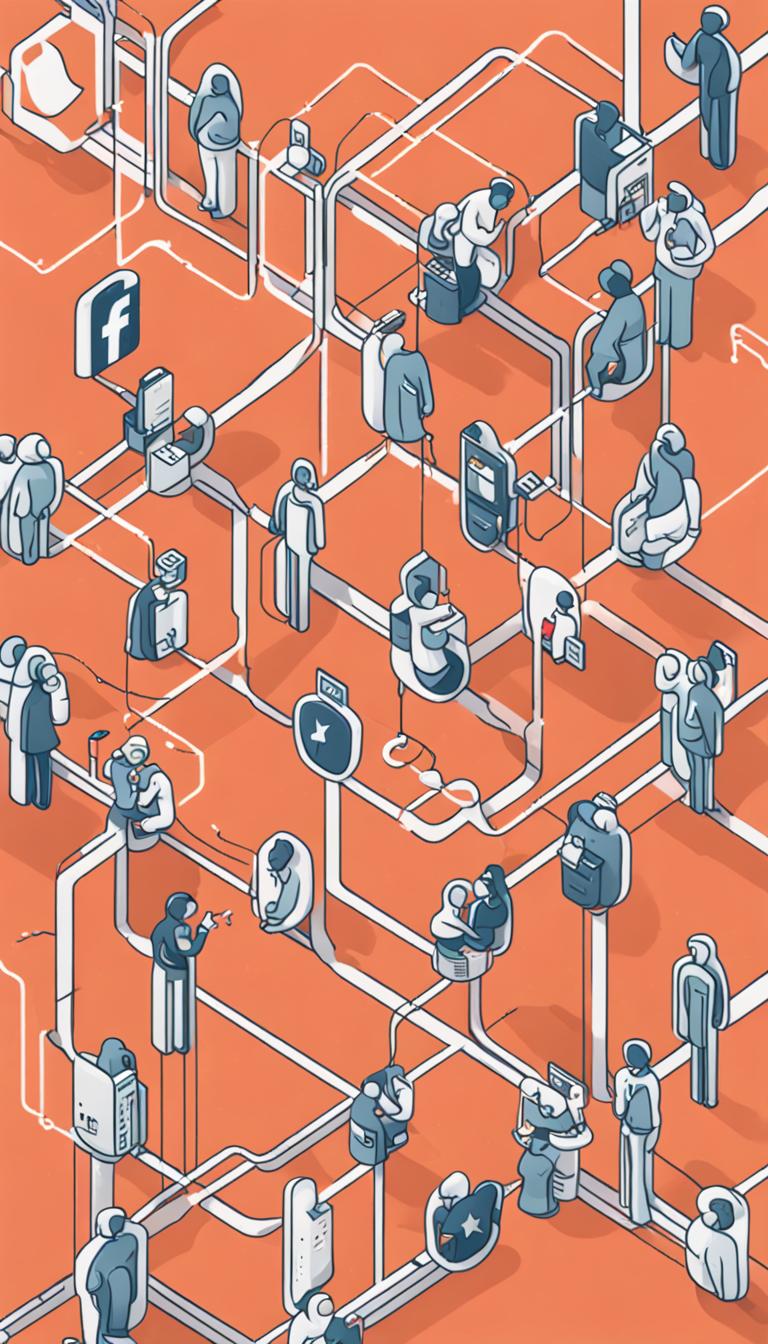
Establishing a Meaningful Connection Versus Just Getting Superficial Engagement on Social Media
I. Introduction
In the rapidly evolving digital landscape, social media has become an integral part of our daily lives, shaping how we interact, communicate, and share information. Yet, amidst the flurry of likes, comments, and shares, the true essence of social connectivity often gets lost. This document aims to delve deeper into the distinction between superficial engagement and meaningful connections on social media platforms. We will explore strategies to foster genuine relationships, promote valuable interactions, and build a community that transcends beyond the superficial metrics of likes and followers.
Social media has revolutionized the way we communicate in the 21st century, becoming an indispensable tool in our daily interactions. It facilitates swift dissemination of information and ideas across borders, breaking down geographical barriers and enabling real-time communication. Whether it’s staying connected with friends and family, sharing experiences, or discussing global issues, social media platforms cater to a multitude of needs. Moreover, businesses leverage these platforms for marketing, reputation management, and customer engagement, highlighting the growing prominence of social media in professional communication. However, as we increasingly rely on these platforms, it becomes crucial to discern authentic engagement from superficial interactions, to ensure we are building meaningful connections rather than merely accumulating likes and followers.
Superficial engagement on social media is characterized by transient interactions such as likes, shares, and brief comments that require minimal effort and engagement. These interactions, while potentially beneficial for boosting a post’s visibility due to platform algorithms, often lack depth and fail to foster substantial relationships. They represent a passive form of engagement, driven more by the impulse of the moment rather than a genuine interest or connection with the content or the person behind it.

“Visualizing the Power of Meaningful Connections: A comparative analysis of successful social media strategies from industry leaders Dove, Airbnb, and Nike.” Contrarily, meaningful connections on social media involve deeper interaction that fosters a sense of community and belonging. These connections are characterized by thoughtful dialogue, mutual support, and a genuine interest in the shared content. They transcend beyond the immediacy of a single post and often evolve into ongoing conversations that enrich the relationship between participants. A meaningful connection on social media is about reciprocal interaction and shared value, creating a space for mutual growth and learning.
II. Understanding Superficial Engagement
Superficial engagement on social media primarily involves actions that require little to no effort and minimal time investment. This includes activities such as liking a post, sharing it without adding a personal comment, or leaving brief, non-specific comments such as “Great post!”, “Nice!”, or using emojis. These interactions, while boosting the visibility of a post due to social media algorithms, offer little in terms of meaningful dialogue or interaction. They are typically impulsive, often driven by the visual appeal of a post or the influence of others’ interactions rather than genuine interest or understanding of the content. Superficial engagement may inflate the metrics of a profile or a post, creating an illusion of popularity and success, but it fails to foster a sense of community or deep connection among users. It’s the digital equivalent of a quick nod in passing, acknowledging presence but not fostering deeper understanding or connection.
The pitfalls of focusing solely on superficial metrics on social media are manifold. First and foremost, it creates a false sense of success and popularity, based on transient interactions rather than genuine interest or engagement from the audience. This reliance on superficial metrics might lead to content strategies that prioritize quantity over quality, resulting in a feed that lacks depth and authenticity. Consequently, it can deter potential followers who seek meaningful content and stimulating discussions. Additionally, focusing on such metrics often fails to foster a loyal and engaged community, as the interactions are ephemeral and lack genuine connection. This could hinder long-term growth and sustainability of online presence, as platforms’ algorithms continue to evolve to prioritize meaningful interactions over passive engagement. Thus, an overemphasis on superficial metrics can ultimately be detrimental to building a robust and engaged online community.
III. The Power of Meaningful Connection
On social media, meaningful connections represent a deeper level of interaction and engagement, going beyond the transient and often impersonal actions such as mere likes or shares. These connections are marked by thoughtful, substantive comments, active participation in discussions, frequent and meaningful exchanges, and a genuine interest in the content shared. When users forge meaningful connections, they engage in a way that shows understanding, empathy, and shared value, often leading to a mutual growth and learning experience.
A meaningful connection can also lead to the development of a supportive and engaged community, where members feel a sense of belonging and appreciation. This engagement is more likely to result in long-term loyalty, repeated interactions, and a stronger emotional connection to the content or person behind it. In contrast to superficial engagement, meaningful connections on social media can create an environment of genuine interest, valuable dialogue, and enriching interactions, fostering a sense of community that thrives on mutual support and understanding.
Such connections are also more likely to withstand changes in social media algorithms, which increasingly prioritize genuine engagement over passive interactions. Therefore, fostering meaningful connections on social media can contribute to a more sustainable and engaging digital presence.
IV. Benefits of Fostering Deeper Relationships on Social Media
Fostering deeper relationships with your audience on social media brings numerous benefits, both for individuals and businesses.
One of the most significant advantages is the cultivation of a loyal and engaged community. When you form deeper connections, your audience is more likely to consistently engage with your content, giving you a stable base from which to expand your reach.
Additionally, by fostering deep relationships, you encourage meaningful dialogue and the exchange of ideas. This not only enriches the content of your platform but also positions you as a thought leader in your domain.
Further, these meaningful interactions can offer valuable insights into your audience’s needs, preferences, and concerns, helping you tailor your content strategy more effectively. It allows for a better understanding of your audience and provides you with a platform to address their questions or concerns promptly and personally.
Lastly, a deeper connection with your audience strengthens your online reputation and establishes credibility. It can also enhance your brand’s image, leading to increased visibility, better customer satisfaction, and potentially, an increase in sales or followers.
Hence, focusing on building meaningful connections rather than chasing superficial engagement metrics can significantly enhance the impact and reach of your social media presence.
V. Strategies to Transition from Superficial Engagement to Meaningful Connection
V. Tips and Best Practices for Creating Meaningful Content
Creating meaningful content is a critical factor in transitioning from superficial engagement to forging genuine connections. Here are some strategies to achieve this:
- Understanding Your Audience: Prioritize knowing who your audience is and what they care about. This understanding enables you to create content that resonates with them and incites meaningful discussions.
- Providing Value: Ensure your content offers some form of value to the audience, be it educational, inspirational, or entertaining. Content that provides value is more likely to spark deeper engagement.
- Authenticity: Be genuine in your communication. Authenticity fosters trust and, ultimately, strengthens your connection with your audience.
- Encourage Interaction: Create content that encourages interaction, such as asking questions, seeking opinions, or creating polls. This not only boosts engagement but also gives you insights into your audience’s thoughts and preferences.
- Consistent and Relevant Content: Maintain a consistent content schedule to keep your audience engaged. Ensure the content is relevant to your niche and audience’s interests.
- Showcase your Values: Use content to express what you stand for. This helps attract an audience that shares similar values, fostering a stronger sense of community.
- Responsive: Be responsive to your audience’s comments and messages. Engaging in these conversations shows your audience that you value their input, fostering a deeper connection.
By implementing these strategies, you can create content that resonates with your audience and fosters meaningful connections. Remember, the goal is not merely to increase numbers but to build a loyal, engaged community around your content.
Building trust with your audience begins with authentic interaction. Authenticity refers to being true to yourself, expressing your genuine thoughts, feelings, and beliefs, and not merely conforming to what you think your audience might want to hear or see. Here are some steps to ensure authentic interaction and trust-building with your audience:
- Relatability: Speak to your audience in a language they understand and relate to. Use stories, examples, and contexts that resonate with them. A shared understanding fosters genuine connections.
- Transparency: Be open about your processes, successes, and even failures. Your audience will appreciate your honesty, and it will increase their trust in you.
- Consistency: Stay consistent in your messaging and communication. Consistency reinforces your authenticity and builds trust over time.
- Active Listening: Pay attention to what your audience is saying. Respond to their comments, address their concerns, and accept their feedback. This shows that you value their opinions, leading to stronger relationships.
- Personal Touch: Show your human side. Personal stories and behind-the-scenes content allow your audience to connect with you on a deeper level. This authenticity in interaction can foster trust and loyalty.
- Respect Opinions: Embrace diverse views and respect your audience’s opinions. This promotes an open, inclusive environment where everyone feels heard and valued.
By practicing these steps, you not only interact authentically but also gradually build a strong, trusting relationship with your audience. Remember, trust-building is a continuous process that requires time, effort, and sincerity. But once established, it can significantly enhance the quality of your audience engagement and loyalty.
Incorporating Storytelling in Social Media Posts for Deeper Connection
Storytelling is a powerful tool when it comes to fostering deeper connections with your social media audience. Stories are innately human and have the ability to touch people at a more profound level than mere facts or information. When incorporated into your social media posts, storytelling can transform your content, making it more engaging, relatable, and memorable.
To incorporate storytelling, start by sharing your brand’s journey, including the highs, the lows, and the moments of transformation. This not only humanizes your brand but also showcases your authenticity. Besides, consider telling stories about the people behind your brand. Sharing their journeys and experiences can create a sense of kinship between your audience and your team.
Another effective technique is to share customer stories. Testimonials, case studies, or user-generated content can provide real-world narratives of people benefiting from your product or service. These stories can be more persuasive and relatable than traditional advertising.
Use narratives to highlight your values and mission. Stories that communicate what you stand for can resonate deeply with audiences who share similar values, fostering a stronger sense of belonging and connection.
Remember, the most compelling stories are those that evoke emotion, capture the imagination, and inspire action. As such, aim for storytelling that is genuine, engaging, and reflects your brand’s unique voice and personality. By weaving storytelling into your social media strategy, you can promote meaningful engagement and foster deeper connections with your audience.
VI. Case Study: Brands that Excelled in Establishing Meaningful Connection
VI. Highlighting Successful Brands and Their Strategies
- Dove: Dove has consistently excelled in creating a deep, meaningful connection with its audience. Their strategy often includes user-generated content, like the “Real Beauty” campaign, which highlighted and celebrated the natural beauty and diversity of women, challenging the conventional standards of beauty. This strategy not only sparked important discussions but also resonated deeply with their audience, fostering a strong sense of community and shared values.
- Airbnb: Airbnb has mastered the art of storytelling to establish an emotional connection with its audience. By sharing inspiring stories of hosts and highlighting unique experiences available through their service, Airbnb fosters a connection that goes beyond a simple booking transaction. Their social media strategy is seen as authentic, personal, and engaging, which helps forge a loyal and engaged community.
- Nike: Nike is known to leverage influential figures and inspiring stories to establish a deep connection with their audience. One of their highly successful campaigns, “Just Do It,” showcases the struggles and triumphs of athletes, resonating with their audience’s aspirations and struggles. Their content is not just about selling products but providing motivation and value to their audience.
These brands exemplify how fostering meaningful connections through strategic content creation and genuine engagement can significantly enhance a brand’s social media presence. They also demonstrate that the key to successful social media engagement lies in understanding your audience’s interests, values, and aspirations, and creating content that resonates with them on a deeper level.
From the above case studies, several key lessons emerge that can be instrumental for any brand seeking to foster deeper connections with their audience. Firstly, authenticity is paramount. Brands like Dove and Airbnb have excelled because they are authentic in their storytelling, creating narratives that their audience can identify with. Secondly, understanding your audience’s interests, values, and aspirations is crucial. Nike’s success with the “Just Do It” campaign can be attributed to resonating with the aspirations and struggles of their audience. Thirdly, successful brands do not just sell products or services; they provide value. By offering motivation and inspiration, these brands are adding value to their audience’s lives. Lastly, these brands recognize the importance of engagement. They are responsive to their audience’s needs and preferences, fostering a sense of community and shared values. The success of these brands emphasizes that in the realm of social media, meaningful connections are the key to sustained engagement and growth.
VII. Conclusion
In conclusion, the importance of fostering meaningful connections over superficial engagement in social media cannot be overstated. Meaningful engagement corresponds to a deeper, more authentic, and value-adding interaction with your audience. This involves understanding and resonating with your audience’s interests, values, and aspirations; being authentic and genuine; and prioritizing interaction and response. Such connections have proven to be instrumental in building a loyal, engaged community, as showcased by successful brands such as Dove, Airbnb, and Nike. These brands have set benchmarks in using strategic content and genuine engagement to elevate their social media presence, demonstrating the potential of meaningful connections in not just increasing numbers, but creating a robust, engaged, and loyal community. Thus, the shift from superficial engagement to meaningful connection is integral to a successful social media strategy.
In light of the successes demonstrated by brands such as Dove, Airbnb, and Nike, there’s an evident need for a paradigm shift in our approach to social media strategies. The focus should be transitioned from creating one-time engagement to fostering deeper, lasting relationships with our audience. This shift not only elevates the brand’s image but also contributes to building a strong, loyal community that supports and grows with the brand. Cultivating such relationships involves understanding the audience’s interests, values, and aspirations, and providing content that truly resonates with them. By doing so, we’re not just selling a product or a service, but offering value and making a meaningful impact in the lives of our audience. It is time for brands to tap into the potential of social media as a platform to build stronger connections, influence positively, and make a significant difference.
-
Drip Method Marketing on Meta
In digital marketing, the ‘Drip Method’ is a strategy that has proven to be both effective and efficient. Also known as drip marketing, this approach involves sending out information and promotional materials to potential customers over some time, akin to the slow and steady dripping of a faucet. This method on Meta (formerly known as Facebook) can yield significant results, given the platform’s widespread reach and extensive user base.
The first step in implementing a drip marketing strategy on Meta involves understanding your target audience. By utilizing Meta’s detailed analytics, marketers can gain insights into the demographics and interests of their potential customers. This data can then be used to craft tailored content that resonates with the target audience and encourages engagement.
The second step is to develop a content calendar, outlining when and what information will be drip-fed to the audience. This could include educational content, industry updates, promotional offers, and more. The key is to maintain a consistent posting schedule and balance your content to keep the audience engaged without overwhelming them.
The final step is to monitor and adapt. Regular assessment of engagement metrics will provide valuable feedback on what content your audience values most. This data should then be used to refine your strategy and content, ensuring that your drip marketing campaign on Meta remains effective and engaging.
Drip marketing on Meta provides businesses with a powerful tool to nurture leads, build customer loyalty, and increase conversions. By taking the time to understand your audience, plan your content, and adapt to feedback, you can make the most of this effective strategy.
-

Negative Hooks & Social Proof
In the ever-evolving landscape of modern advertising, it has become increasingly crucial to adopt unorthodox approaches to capture audience attention. One such effective method is the use of negative hooks or reverse selling. This strategy leverages reverse psychology to pique viewer curiosity, leading to a spontaneous response of “Why not?” Contrary to traditional advertising methods that promote product benefits, negative hooks challenge the audience by instructing them not to engage with a product or service. This unusual approach sparks intrigue and compels the audience to explore further, thus enhancing engagement and potential conversion rates. Such innovative tactics underscore the importance of thinking outside the box in contemporary advertising to stand out in a saturated market and create impactful user experiences.
Negative Hooks
Leveraging negative hooks in your advertising campaign on social media can be an effective tool to pique interest and prompt engagement. This method, often referred to as reverse selling, intentionally advises the audience not to do something, thereby sparking a counterintuitive curiosity. For instance, using captions like “Don’t click on this post” or “Ignore this ad if you can” can evoke a sense of challenge or defiance, prompting the audience to think, “Why not?” and ultimately leading them to interact with the ad. This strategy, when paired with compelling and creative visuals, can significantly boost the overall engagement of your social media advertising campaign. However, it’s vital to ensure that such tactics align with your brand voice and do not alienate your audience, as the goal is to intrigue, not offend.
Brand Voice
Maintaining a consistent brand voice while utilizing reverse selling is paramount for ensuring a positive audience reception. The distinct personality and values embodied in your brand voice are what your audience connects with, and it is this connection that inspires trust and loyalty in your brand. When implementing reverse selling strategies like negative hooks, it’s critical to remember that the objective is to attract attention and spark curiosity without compromising your brand’s identity. For instance, a brand known for its professional and serious demeanor may alienate its audience by suddenly adopting playful or provocative language in their advertising. Conversely, a brand recognized for its quirky and irreverent tone might successfully deploy reverse selling tactics that challenge their audience without causing offense. Thus, while reverse selling can indeed be a potent tool, it’s essential to adapt it to your established brand voice to ensure it complements rather than contradicts your brand’s image.

A negative hook in advertising can be likened to a fishing hook cast into the sea. Just as a fishing hook is baited with something appealing to catch fish, the negative hook is baited with a bold, counter-intuitive statement or a challenge to conventional wisdom to snatch the audience’s attention. The fishing hook is designed so that once a fish takes the bait, it is difficult for it to escape; similarly, a well-crafted negative hook captivates the audience, making it hard for them to ignore the message. It’s a game of curiosity, a dance of intrigue, where the audience, much like a fish, finds themselves reeled in, wondering about the bait that stands in stark contrast to the sea of traditional messages. R.E.S.P.E.C.T
While utilizing negative hooks can provoke curiosity and engagement, it’s critical to remember that your audience consists of potential buyers who merit respect. You must avoid crossing the line into offensive or tasteless territory. Effective implementation of reverse selling requires a delicate balance. Here are key considerations: Firstly, maintain a positive and professional tone, even when making reverse statements. Secondly, understand your audience demographics and preferences to avoid causing unintentional offense. Lastly, always pair your negative hook with high-quality, relevant content that provides value to the viewer. This ensures that once you’ve grabbed attention with your hook, you keep it by offering something meaningful. The aim is not just to incite a click, but to build a lasting, positive impression of your brand.
Related Tactics
In addition to negative hooks, there are other tactics that leverage the power of psychology to pique audience interest. One such method is the “Fear of Missing Out” (FOMO) strategy, where marketers create a sense of urgency or scarcity, prompting audiences to act quickly to avoid missing out on an opportunity. For instance, limited-time offers, exclusive deals, or countdown timers can all be utilized to trigger FOMO.
Another tactic is using social proof, a psychological phenomenon where people emulate the actions of others in an attempt to reflect correct behavior. For example, showcasing customer testimonials, highlighting large user numbers, or featuring endorsements from influencers or celebrities can effectively persuade potential customers.
A further strategy involves using storytelling to capture audience attention. Stories tend to be more engaging and memorable than straightforward promotional messages. By sharing stories about your brand, product, or customers, you can form a deeper connection with your audience, making them more likely to engage with your brand.
Remember, while these tactics can be effective, they should always be used ethically, with respect for your audience, and in a way that aligns with your brand’s values and image.
Case Studies: Valuable Insights
Case studies serve as an invaluable resource for understanding the practical application of any concept, including the use of negative hooks or reverse selling in advertising. They provide real-world examples of how different strategies have been implemented, illustrating the successes, failures, and lessons learned which can prove to be instrumental in shaping future campaigns. A well-documented case study can offer a comprehensive overview of the problem, the approach adopted to address it, the execution of the plan, and the eventual outcomes.
When it comes to reverse selling, case studies can provide insights into how this strategy has been utilized by various brands, revealing the impact it had on audience engagement and conversion rates. They can help identify the types of negative hooks that resonate with different audiences and how these hooks can be effectively paired with other advertising elements such as visuals and content. Moreover, case studies can highlight how brands have maintained their voice and image while using such an unconventional approach, and how they’ve navigated any potential pitfalls.
By studying these real-life applications, marketers can gain a more nuanced understanding of the strategy and how it might be tailored to their own campaigns. Thus, case studies are not just repositories of past experiences but also serve as guidebooks for future endeavors, making them a vital tool in any marketer’s arsenal.
Successful Advertising Campaigns Leveraging Psychological Tactics
- Old Spice: “The Man Your Man Could Smell Like”: In one of the most iconic advertising campaigns, Old Spice used a mix of humor, absurdity, and challenge to captivate viewers’ attention. The ad cleverly used reverse psychology by directly addressing women and suggesting their men weren’t as attractive or charismatic as the Old Spice man, but could be if they used Old Spice products. This unusual approach drove immense curiosity and converted into one of the most successful campaigns in recent memory.
- Spotify: “Don’t Play This”: Spotify harnessed the power of reverse psychology with their “Don’t Play This” campaign. Each song or album in this campaign was preceded by a warning that said, “Don’t play this.” Naturally, listeners couldn’t resist the temptation to do just that, making the campaign a resounding success.
- Booking.com: “Booking.yeah”: Booking.com cleverly exploited FOMO in their “Booking.yeah” campaign. They promoted exclusive deals and limited offers, creating a sense of urgency that prompted viewers to book instantly to avoid missing out.
- Everlane: “Radical Transparency”: Everlane has effectively used social proof in its advertising by showcasing the factories where their clothes are made and exactly how much everything costs. This transparency establishes trust, providing social proof that customers can feel good about their purchases.
- Apple: “Think Different”: Apple’s legendary “Think Different” campaign is an example of effective storytelling. It connected Apple’s brand with the revolutionary ideas of notable figures in history, forming a deeper connection with their audience and positioning their products as not just devices, but as tools of change.
Conclusions
In conclusion, psychological tactics such as the use of negative hooks, FOMO, social proof, and storytelling can dramatically enhance the effectiveness of advertising campaigns, as demonstrated by successful brands like Old Spice, Spotify, Booking.com, Everlane, and Apple. However, the key to success lies not only in adopting these strategies but in applying them ethically, considering your audience, and maintaining brand integrity. Now that you’re armed with these insights, it’s time to put them into action. Dare to think differently, embrace transparency, and challenge the status quo. After all, a well-crafted ad campaign can do more than just sell a product – it can leave a lasting impression, make a statement, and even inspire change. So, why not start your own revolution today?
-

Contemporary Marketing Mix Modeling: Leveraging Machine Learning Techniques and Predictive Analytics
Marketing Mix Modeling
Marketing mix modeling, or MMM, is invaluable for helping organizations increase their marketing ROI. By leveraging sophisticated statistical analysis to understand the relationship between spending and outcomes, MMM can provide actionable insights to inform budget allocation decisions. To deliver maximum benefits, MMM models should be dynamic and regularly updated taking into account actual market conditions. Additionally, models should be calibrated based on empirically collected data to ensure accuracy in predicting future events.
For a dynamic model to be effective, it requires up-to-date data on current market conditions. This often includes consumer sentiment data as well as sales results from different channels such as online and offline stores. Leveraging these data points helps marketers assess the efficacy of their campaigns in real time and enables them to make more informed decisions about how best to allocate their resources going forward. Furthermore, by implementing appropriate control groups that are not exposed to certain campaigns and measuring their performance against those who are exposed, marketers can accurately measure the impact of their campaigns with greater confidence and granularity.
Another key component of creating an effective MMM is calibrating the model based on empirically collected data. Without this calibration step, the predictions generated from a model could be erroneous or unreliable due to underlying assumptions that do not match reality. For example, if a model assumes that 10% of all consumers will respond positively to a particular campaign but actual empirical data shows that only 5% responded positively then calibrating the model with this empirical data will ensure better predictions in the future.
Ultimately, Marketing Mix Models can serve as powerful tools for optimizing marketing investments and maximizing ROI when used properly and kept up-to-date with accurate empirical data. By regularly updating models with consumer sentiment and sales results while calibrating them based on real-world observations, organizations can rest assured that they are basing their decisions on reliable evidence and generating insights that will drive success both now and into the future.

As modern marketers, it is essential to have the right tools and strategies in place to remain competitive in an ever-evolving market landscape. Contemporary marketing mix modeling provides the perfect balance between tactical and strategic outcomes to help businesses stay ahead of the competition. With its reliance on machine learning algorithms and predictive analytics, marketers can gain invaluable insights into customer behaviors and preferences while also being agile enough to respond quickly when needed. By leveraging aggregate but granular data from both online and offline sources, businesses can gain a more comprehensive view of what drives conversions at any given time. This allows for improved decision making when it comes to product placement, promotion strategies, budget allocations, and other key components of a successful marketing mix model. Furthermore, automation enabled by machine learning helps optimize budgets more efficiently while tracking performance over time which eliminates any potential biases present in their results. This gives companies greater confidence going forward and enables them to anticipate major shifts in customer attitudes so they can adjust accordingly before changes take place. MMM as an Analytical Technique
Marketing mix modeling is an analytical technique used to evaluate the effectiveness of various marketing strategies in order to optimize a company’s return on investment. It combines data from multiple sources such as sales, market share, and other metrics to determine how effective each individual element of a company’s marketing plan is in contributing to overall success.
Take your marketing plan to the next level with Marketing Mix Modeling. This revolutionary analytical technique uses historical data to forecast the success of individual elements of a company’s marketing mix. Get insights into how best to allocate resources, optimize return on investment and develop effective strategies for long-term growth. With Marketing Mix Modeling, you can maximize your ROI and achieve unprecedented results!
Marketing mix modeling is a signal-resilient technique that uses aggregated data from multiple sources to measure the effectiveness of marketing strategies. It combines sales figures, market share, and other metrics in order to identify which elements of a company’s marketing plan are contributing the most to its success. This method can be used by companies to optimize their ROI and develop effective strategies for long-term growth.
The accuracy of Marketing mix modeling lies in its ability to use historical data in order to predict future results. This allows companies to make informed decisions on how they should allocate resources and where they should focus their marketing efforts. The insights gained through this process will provide guidance on how best to achieve desired goals, such as increasing customer acquisition or improving brand performance.
In addition to helping organizations understand the effectiveness of their campaigns, Marketing mix modeling also provides an opportunity for them to gain further insight into their target audience’s behavior. By analyzing customer purchase patterns and preferences, companies can develop more personalized campaigns that will better engage customers and increase conversion rates.
The advantages of using Marketing mix modeling go beyond simply understanding what works best; it also offers organizations cost savings because they are able to make better use of their resources and reduce spending on ineffective campaigns. Furthermore, it helps them gain deeper insights into their customers so that they can adjust their strategies accordingly for maximum impact and return on investment. Ultimately, Marketing mix modeling provides valuable data-driven insights that help businesses maximize their ROI while maintaining a high level of agility and responding quickly to changing market conditions.
Take your marketing strategy to the next level with Marketing Mix Modeling. Our powerful analytical technique helps you calibrate based on empirical data, and dynamic and frequently updated models. With Marketing Mix Modeling, you can maximize your return on investment and make better use of resources while monitoring customer behavior for insights into how best to engage customers and increase conversions. Get ahead with this revolutionary technique!
Advantages of Contemporary Mix Modeling
Contemporary marketing mix modeling takes advantage of the benefits of traditional marketing mix modeling and combines them with multi-touch attribution and advanced machine learning methods. This technique allows companies to gain a more detailed and accurate understanding of the effectiveness of their marketing strategies and campaigns, as well as to be able to track customers’ behavior across multiple channels. By accounting for not only the impact of individual elements but also how they interact with one another, marketers can identify which combinations are most successful in driving sales and improving ROI.
Although traditional marketing mix model techniques focused on simply measuring the performance of a single channel or element, contemporary marketing mix models are better equipped to measure multi-channel campaigns that involve numerous sources. By collecting data from both online and offline channels, companies can get a more comprehensive picture of customer behavior and understand which channels are having the most influence on conversions. Additionally, this data can be used to develop more effective strategies that target customers at every stage of their journey.
With contemporary marketing mix models, multi-touch attribution further enhances the accuracy of analysis by providing insight into how many touches it took to convert a customer from each channel and attributing credit accordingly. This enables marketers to understand which combination activities lead to higher engagement rates, allowing them to focus their efforts on those that are yielding the best results and make adjustments if necessary.
Advanced machine learning methods also allow for deeper insights into customer preferences by using predictive analytics to uncover patterns in consumer behavior over time. This helps marketers anticipate future trends so they can adjust their approaches appropriately before major shifts take place. Furthermore, machine learning helps identify any discrepancies between expected results and actual results so that corrective actions can be taken quickly if needed.
Overall, contemporary marketing mix modeling provides companies with a comprehensive approach for evaluating their campaigns’ success while optimizing their return on investment. It gives marketers invaluable insights into customer behaviors across multiple channels as well as enabling them to track conversions more accurately by making use of multi-touch attribution and advanced machine learning methods. All these features combine effectively together so that businesses can have greater confidence in their decisions while still staying agile enough to respond quickly when needed.
Classic Marketing Mix Modeling
Classic marketing mix modeling is a powerful analytical technique used to optimize the allocation of resources and enhance the return on investment (ROI) of a given marketing campaign. This approach takes into account both the traditional elements of marketing – such as product, price, placement, and promotion – as well as customer behavior. Through this process marketers are able to identify which combinations of these elements have the greatest effect in terms of driving sales and conversions, allowing them to make more effective decisions regarding their strategies.
The classic model typically consists of four main components: product planning, pricing, distribution/placement, and promotion. It works by measuring the impact that each element has on sales by taking into account factors such as consumer preference and market trends. For example, through close monitoring, it can be determined if consumers are responding positively or negatively to different product attributes or promotional offerings. Once the effects of each element are measured accurately then it becomes easier to determine which combination of these factors will yield the best results for a particular campaign or strategy.
In addition to providing insight into consumer preferences, classic marketing mix modeling can also be used to predict future trends within a particular market or industry. By understanding how customer behavior is likely to change over time it becomes simpler for marketers to plan ahead and stay one step ahead in terms of their approaches. Also, with better knowledge about how customer behavior might evolve, it’s possible to create better-targeted campaigns that take advantage of the latest trends in order to reach maximum audiences more efficiently than before.
Overall, classic marketing mix modeling is an important tool for gaining valuable insight into consumer behavior while maximizing ROI from any given marketing campaign or strategy. By measuring both traditional elements such as product planning, pricing, and promotion alongside customer behavior it becomes possible for marketers to gain an accurate picture of what drives sales conversions in order to make informed decisions regarding their activities. In addition, with its predictive capabilities, it enables companies to stay ahead when it comes to anticipating major shifts in customer attitudes so they can adjust accordingly before changes take place.
5 Key Points to Contemporary Marketing Mix Modeling
1) Reduces Bias
Contemporary marketing mix modeling is an innovative way to analyze and optimize the return on investment (ROI) of a given marketing campaign, without relying too heavily on analyst bias. This approach takes into account both the traditional elements of marketing – such as product, price, placement, and promotion – and customer behavior. By leveraging machine learning algorithms and multi-touch attribution models, contemporary marketing mix modeling is able to provide more accurate and timely insights into customer behaviors across multiple channels.
The key to minimizing analyst bias lies in the ability to measure the impact that each element has on sales by taking into account a wide range of factors including consumer preferences, market trends, and conversion rates. With advanced machine learning techniques, marketers are able to measure the response that customers have to various elements such as product attributes or promotional offerings more accurately than ever before. This allows them to make informed decisions based on real-time data rather than subjective opinions which helps reduce analyst bias.
In addition, modern marketing mix modeling also makes use of predictive analytics in order to anticipate future trends within a particular market or industry more accurately. By understanding what customer behavior is likely to be over time it becomes simpler for marketers to plan ahead and stay one step ahead in terms of their approaches. Predictive analytics also enables companies to stay ahead when it comes to anticipating major shifts in customer attitudes so they can adjust accordingly before changes take place. Furthermore, with predictive models, it becomes easier for marketers to track conversions more accurately by making use of multi-touch attribution thereby helping further eliminate any potential biases present in their results.
Overall, contemporary marketing mix modeling provides a comprehensive solution for evaluating campaigns’ success while optimizing ROI without relying too heavily on analyst bias. Marketers are able to leverage advanced machine learning techniques and predictive analytics in order to gain invaluable insights into customer behaviors while still staying agile enough to respond quickly when needed. All these features are combined effectively together so that businesses can have greater confidence in their decisions while still getting an accurate picture of what drives sales conversions at any given time.
2) Automation Leveraging
Contemporary marketing mix modeling is a powerful tool that helps marketers automate their decision-making process. Leveraging machine learning algorithms, multi-touch attribution models, and predictive analytics, allows companies to make data-driven decisions faster and more accurately than ever before. This can be applied to various aspects of marketing including product planning, pricing, promotion, and customer behavior analysis.
By using contemporary marketing mix modeling, marketers are able to identify and measure the impact that each element has on sales without relying too heavily on analyst bias. This helps minimize any potential errors or inconsistencies in the data while still gaining an accurate picture of what drives conversions for different products or services. Furthermore, predictive analytics it enables companies to stay ahead when it comes to anticipating major shifts in customer attitudes so they can adjust accordingly before changes take place.
Moreover, automation enabled by contemporary marketing mix modeling also makes it easier for businesses to manage multiple campaigns at once with less effort overall. For instance, they can quickly set up and optimize campaigns across different channels such as search engine optimization (SEO), pay-per-click (PPC) advertising, and social media in order to generate better results more quickly. Additionally, automation allows them to optimize their budgets by allocating resources based on the expected returns from each campaign as well as track performance over time which helps them make better decisions going forward.
Overall, contemporary marketing mix modeling is an invaluable tool that helps marketers automate their decision-making process while still getting an accurate picture of what drives sales conversions at any given time. By combining machine learning algorithms, multi-touch attribution models and predictive analytics into one unified solution businesses are able to gain valuable insights into consumer behavior while maximizing ROI from any given campaign or strategy.
3) Tactical & Strategic Outputs
Contemporary marketing mix modeling enables marketers to achieve a balance between tactical and strategic outputs which is crucial for generating successful results. By leveraging machine learning algorithms, multi-touch attribution models, and predictive analytics, it allows companies to rapidly evaluate campaigns’ performance while optimizing budgets and marketing activities in real time. This helps them identify where investments should be allocated most effectively so that they can maximize ROI without having to rely too heavily on analyst bias.
On the tactical side, contemporary marketing mix modeling helps marketers automate their decision-making process. By using advanced attribution models businesses can accurately track conversions and measure the impact of each element on sales without having to manually analyze the data every time. Additionally, with predictive analytics, it makes it easier for them to stay ahead when it comes to anticipating major shifts in customer attitudes so they can adjust accordingly before changes take place.
On the other hand, contemporary marketing mix modeling also enables businesses to gain valuable insights into customer behaviors while still staying agile enough to respond quickly when needed. By combining machine learning techniques and predictive analytics into one unified solution companies able gain a comprehensive view of what drives conversions at any given time which helps them make better decisions going forward. Furthermore, automation enabled by this strategy helps optimize budgets more efficiently while tracking performance over time which further eliminates any potential biases present in their results.
In conclusion, contemporary marketing mix modeling is a powerful tool that provides an ideal balance between tactical and strategic outputs for marketers today. It enables businesses to leverage advanced machine learning techniques and predictive analytics in order to gain invaluable insights into customer behaviors while still staying agile enough to respond quickly when needed. All these features are combined effectively together so that businesses can have greater confidence in their decisions while still getting an accurate picture of what drives sales conversions at any given time.
4) Machine Learning
Contemporary marketing mix modeling relies heavily on machine learning for its success. The use of algorithms and predictive analytics, helps marketers automate their decision-making process while still getting an accurate picture of what drives sales conversions at any given time. By leveraging machine learning, businesses are able to rapidly evaluate campaigns’ performance while optimizing budgets and marketing activities in real time and identify where investments should be allocated most effectively.
Machine learning algorithms can provide marketers with valuable insights into customer behaviors, anticipate major shifts in customer attitudes, and identify the impact of each element on sales. These tools can be used to accurately track conversions and measure the impact of each element on sales without having to manually analyze the data every time. Additionally, it makes it easier for them stay ahead when it comes to anticipating major shifts in customer attitudes so they can adjust accordingly before changes take place.
Moreover, machine learning techniques also enable businesses to gain an even more comprehensive view of what drives conversions at any given time. By combining these tools with predictive analytics into one unified solution companies can gain invaluable insight into consumer behavior which helps them make better decisions going forward. Furthermore, automation enabled by machine learning helps optimize budgets more efficiently while tracking performance over time which further eliminates any potential biases present in their results.
Overall, contemporary marketing mix modeling is a powerful tool that provides an ideal balance between tactical and strategic outputs for marketers today because of its heavy reliance on machine learning techniques and predictive analytics. It enables businesses leverage advanced algorithms to accurately track conversions, measure the impact of each element on sales without having to manually analyze the data every time, gain a comprehensive view of what drives conversions at any given time as well as predict upcoming major shifts in customer attitudes so they can adjust accordingly before changes take place. Furthermore, automation enabled by machine learning also helps optimize budgets more efficiently while tracking performance over time which further eliminates any potential biases present in their results allowing businesses have greater confidence in their decisions going forward.
5) Online & Offline Data Sets
Contemporary marketing mix modeling is a powerful tool that provides the perfect balance between tactical and strategic outcomes for marketers today. Through its reliance on machine learning algorithms and predictive analytics, it can provide businesses with invaluable insights into customer behaviors while staying agile enough to respond quickly when needed. One of the major advantages of this approach is that it allows marketers to leverage aggregate but granular data from both online and offline sources. By utilizing this data, businesses are able to better understand customer behaviors and preferences in order to make informed decisions regarding their marketing strategies.
The use of aggregate but granular data from both online and offline sources helps marketers gain an even more comprehensive view of what drives conversions at any given time. Offline data sets like surveys, focus groups, point-of-sale records, and store visits provide valuable insight into customer attitudes and buying habits which can help inform decisions about product placement, promotion strategies, and other key components of a successful marketing mix model. Additionally, online data sets such as website visits, social media activity, search engine queries, eCommerce sales transactions, email campaigns open rates etc., can also give businesses valuable insight into customer behavior which could potentially be used to fine-tune their strategies.
By combining these two sources of data in one unified solution companies can gain even greater insights into consumer behaviors which will help them make more informed decisions going forward. With the use of advanced machine learning techniques, they can accurately track conversions while optimizing budgets and marketing activities in real time and identify where investments should be allocated most effectively without having to manually analyze the data every time. Furthermore, automation enabled by machine learning also helps optimize budgets more efficiently while tracking performance over time which further eliminates any potential biases present in their results allowing businesses to have greater confidence in their decisions going forward.
Overall, contemporary marketing mix modeling provides an ideal balance between tactical and strategic outputs for marketers today because of its heavy reliance on machine learning techniques as well as being able to take advantage of aggregate but granular information from both online and offline sources simultaneously. This means that businesses are able to gain invaluable insight into customer behaviors while still staying agile enough to respond quickly when needed all while having an accurate picture of what drives sales conversions at any given time. All these features combined together not only allow businesses to have greater confidence in their decisions but also enable them to remain competitive by staying ahead when it comes to anticipating major shifts in customer attitudes so they can adjust accordingly before changes take place.
Summary
Contemporary marketing mix modeling is an increasingly powerful tool for modern marketers. Through its reliance on machine learning algorithms and predictive analytics, it provides businesses with invaluable insights into customer behaviors and preferences while staying agile enough to respond quickly when needed. With the use of these advanced learning techniques, companies are able to accurately track conversions and measure the impact of each element on sales without having to manually analyze the data every time. By leveraging aggregate but granular data from both online and offline sources, businesses can gain an even more comprehensive view of what drives conversions at any given time which helps them make better decisions going forward. Furthermore, automation enabled by machine learning helps optimize budgets more efficiently while tracking performance over time which further eliminates any potential biases present in their results. Overall, this approach provides a perfect balance between tactical and strategic outcomes for marketers today as it allows companies to anticipate major shifts in customer attitudes so they can adjust accordingly before changes take place. This gives businesses greater confidence going forward and enables them to remain competitive in an ever-evolving market landscape.
-

Drip Method Marketing
Advertising has become an important part of marketing in today’s digital era. Companies are increasingly leveraging innovative and creative strategies to help them get ahead in their industry and reach more customers. One such strategy is the Drip Method, a method that involves using a small amount of ad money every day to activate different algorithms and target specific audiences.

“Grow Your Business with Targeted Advertising: Try the Drip Method Today!” The Drip Method is an attractive option for businesses because it allows them to test out potential ads without investing too much upfront. By spreading out ad budgets over a period of time, companies are able to slowly build up their presence on different platforms while gathering valuable data about what content resonates with their target audience. Additionally, this method allows companies to create highly targeted campaigns by creating several smaller campaigns with specific goals or audiences in mind. The Drip Method also enables companies to watch the performance of each campaign rather than simply relying on one large campaign that could be difficult to track or tweak as needed.
Unlike other forms of marketing which use one-size-fits-all tactics, the Drip Method helps companies tailor their campaigns to their specific needs. For instance, if a company wants to promote its products on Facebook, it can start off by creating several smaller campaigns tailored for different target segments – such as people who live in certain locations or people who fit into certain age groups – instead of simply running one large ad campaign across all users. This targeted approach makes it easier for businesses to hone in on their desired customers more effectively and efficiently over time.
In addition to offering businesses an efficient way of building brand presence and targeting customers, the Drip Method can also help save money compared to more traditional forms of advertising where larger amounts need to be spent upfront and results may not be immediate or measurable. Smaller daily investments allow companies to better manage cash flow while still being able to test different ideas quickly and adjust strategies as needed per campaign or target segment..
The Drip Method provides businesses with an effective way for reaching their desired customer base without breaking the bank. By utilizing smaller amounts over time along with targeted campaigns and strategies tailored specifically for its intended audience, companies can create highly successful marketing campaigns that bring measurable results without making huge sacrifices up front..
Consistency
Consistency is key to successful marketing campaigns using the Drip Method. When using this method, businesses should maintain a consistent daily budget to ensure that their ads are seen by the right people. Furthermore, they also need to be consistent with their messaging and visuals in order to create an attractive brand image and ensure that their audience remembers them.
By keeping a consistent presence within their target market, companies can also make sure that their messages are reaching the right people over time. By running the same ad over an extended period of time, companies can increase awareness of their product and build up recognition among a larger audience. Additionally, this consistency ensures that potential customers will be exposed to the message multiple times before making a purchase decision, helping to increase sales conversions.
Consistency is also important for tracking performance metrics over time. By maintaining similar budgets from day-to-day or week-to-week, businesses can track which days or weeks are producing the best results and adjust strategies accordingly. This allows companies to identify trends in customer behavior more easily, enabling them to refine their campaigns for greater success in the future.
It’s important for businesses using the Drip Method to remain consistent with both their budgeting and messaging in order to get ahead of competition and maximize returns on their investments. Through careful tracking and refining of strategies along with an ongoing daily presence in target markets, companies can achieve great success utilizing this method while still saving money compared to traditional advertising models.
Getting Help
Majestic Vision is the ideal solution for businesses looking to get the most out of their Drip Method marketing. With a team of experienced and knowledgeable professionals specializing in all areas of digital advertising, Majestic Vision can help companies maximize their marketing efforts and get the most bang for their buck.
From strategizing and budgeting to execution and optimization, Majestic Vision offers comprehensive solutions that are tailored specifically to each company’s individual needs. The team begins by conducting an in-depth analysis of a customer’s current marketing approach, which is then used to develop a customized strategy that takes advantage of the latest trends and techniques in order to maximize returns on investments.
Using data-driven insights based on careful analysis of customer behavior, Majestic Vision can create highly effective campaigns that target specific audiences in order to ensure maximum visibility and conversions. They also provide detailed reporting which allows clients to track performance metrics over time and adjust strategies accordingly.
The experts at Majestic Vision understand how important it is for businesses utilizing the Drip Method to remain consistent with both their budgets and messaging in order to achieve success. Their team works closely with clients in order to ensure that campaigns are running smoothly from day-to-day while also providing valuable feedback and insights that can be used to improve future strategies.
Overall, partnering with Majestic Vision is an excellent way for businesses using the Drip Method to achieve greater results without wasting time or money on ineffective campaigns. With their vast knowledge of digital advertising coupled with their talented team of professionals, Majestic Vision will help any business reach its desired audience efficiently while still remaining within budget.
-
Bad Publicity and Best Practices
Controversial Topics
In an increasingly digital world where companies rely on social media for customer feedback and marketing, the inevitability of bad feedback and cyber attacks on controversial subjects is becoming more and more apparent. With the rise of online communities such as Twitter, Facebook, and Instagram, companies are left exposed to a variety of comments from both loyal customers as well as dissatisfied ones. Additionally, these platforms provide a platform for hackers and malicious actors to launch cyber attacks against businesses in order to gain access to sensitive information or disrupt operations.
The consequences of bad feedback or cyber attacks can be severe. For one, they can damage the reputation of organizations by causing potential customers to lose trust in their services or products. They can also lead to financial losses if customer data is breached or critical systems go offline due to malicious activity. Furthermore, disgruntled employees may choose to publicly share confidential information about their employers online in an attempt to damage their image or even harm their business.

No matter the size of the business, bad reviews and negative feedback can have a profound effect on its reputation. Not only can they damage the company’s image, but they also have a powerful emotional impact that can be incredibly frustrating to deal with. It is not just the customers who suffer; employees are often left feeling powerless and helpless in the face of such negativity. That’s why it is important for companies to have a clear plan for how to handle bad publicity and customer complaints, responding effectively to difficult situations, and taking corrective measures as needed. By following these Best Practices, businesses can ensure that they are able to maintain their reputation in the face of criticism while still providing excellent customer service. As such, it is important for organizations to be prepared for any eventuality that comes with negative feedback or cyber threats on controversial topics. Companies should have a comprehensive strategy in place that outlines clear guidelines for how teams should handle different types of situations so they can remain proactive rather than reactive when it comes to dealing with negative responses from customers or other individuals online. This may involve setting up processes for monitoring user comments across all major social media platforms and responding quickly when necessary as well as creating detailed protocols for tackling negative comments promptly and effectively with steps such as acknowledging issues and apologizing if necessary.
In addition, organizations should also invest in training their staff members so they are equipped with the necessary skills needed to identify risks associated with engaging on controversial topics online as well security measures that need to be taken in order prevent unauthorized persons from gaining access into company networks which could lead to stolen information or disruption of operations. Moreover, they should consider using third party services such as cybersecurity consultants who specialize in detecting attacks before they occur as well as providing advice on how best address potential cyber threats before any major damage is done.
Ultimately, while it is impossible to prevent all instances of bad feedback or cyber attacks on controversial topics due to the constantly changing nature of the internet landscape, having a well thought out plan can help companies reduce the risk associated with engaging on these topics while ensuring that all parties involved remain safe at all times. By taking the necessary steps to protect their reputation and customer data, organizations can ensure that they continue to maintain positive public opinion of them and their services while also taking advantage of opportunities presented by negative comments or feedback on social media posts by using customer suggestions constructively in order create better experiences for all involved parties ultimately leading towards long-term success for businesses if handled correctly.
It is important for companies to stay vigilant and remain prepared when it comes to dealing with any potential risks associated with engaging on controversial topics online as this is becoming an integral part of how businesses operate in today’s digital world. By implementing effective strategies and investing in the right resources, organizations can effectively manage any backlash from customers or other individuals while still taking advantage of opportunities and feedback that can help them improve their services and products. Ultimately, this will ensure that companies remain successful in the long run while also maintaining a positive public opinion of their brand.
Bad Publicity
Even though bad publicity may be perceived as a negative thing, it can still be considered beneficial in some ways. To start, bad publicity can help spread awareness about a brand or company, as it would typically attract more attention than good publicity and lead to more exposure in the marketplace. This allows people to become familiar with the brand or company and allows them to form their own opinion of them.
Additionally, it could also create a sense of relatability for the brand or company. People often sympathize with companies that have gone through tough times and are willing to give them another chance if they recognize the effort they put into improving their image. This is especially true when the bad publicity is caused by an honest mistake – even if it was embarrassing, customers may feel a sense of recognition for having made similar mistakes themselves in the past.
Moreover, bad publicity can be used as an opportunity for improvement. Companies can use the negative feedback from customers to identify areas that need improvement and begin making necessary changes so they do not make the same mistake twice. This can help companies become better-equipped to handle future situations that require customer service or public relations skills and build trust with their customers as well.
Bad publicity also allows companies to show how open they are to criticism and how seriously they take customer feedback. Customers tend to appreciate when a company takes responsibility for an issue quickly and works hard to rectify it by apologizing publicly and taking corrective action right away – this builds customer loyalty in spite of any initial embarrassment a company might experience due to unfavorable press coverage.
Thus, even though bad publicity may seem damaging initially, it can actually offer many benefits that can potentially lead to long-term success for businesses if handled correctly. Companies should take advantage of these opportunities by using suggestions from customers constructively in order to improve their services as well as building trust with their customers through honest discourse about issues that arise in their operations. In doing so, businesses will be able to turn a negative situation into a positive one.
Best Practices Strategy
Creating and maintaining a best practices strategy to handle negative feedback and comments on social media posts is essential for any company that wants to remain successful in today’s online world. Companies should strive to develop a comprehensive plan that will allow them to address customer complaints, respond effectively to difficult situations, and take corrective measures as needed.
First and foremost, companies need to ensure they have processes in place for monitoring feedback from customers. This includes regularly scanning user comments across all major social media platforms and responding quickly when necessary. It is important for companies to be proactive in addressing any issues or complaints customers may have so they can maintain their reputation and credibility. Additionally, companies should also be aware of the types of topics being discussed about them on social media as well as any conversations regarding their competitors. Doing so allows them to stay informed of the current trends in their industry as well as what other people are saying about their brand or company.
In addition, companies should also create a detailed protocol for tackling negative comments or feedback on social media promptly and effectively. This should include steps such as acknowledging the issue, apologizing if necessary, offering an explanation for why it happened, outlining what steps were taken to resolve the issue, providing information about how similar problems can be avoided in the future, and thanking customers for bringing the matter up in order for it to be addressed properly.
Moreover, it is important for companies to remain transparent with their customers throughout the process of addressing negative feedback or comments on social media posts. This means providing detailed updates on progress made towards resolving issues while being open and honest in discussions with customers regarding why certain decisions were made or how particular issues are being managed by their team members. Doing so allows companies to build trust with customers by showing that they are working hard behind-the-scenes and taking every measure possible to make sure customer concerns are taken seriously.
Companies can also use negative comments as an opportunity for improvement by using customer feedback constructively in order to identify areas where changes need to be made within their operations or services offered. This could include proactively seeking out additional resources or training courses related to customer service or public relations skills so team members feel more prepared when dealing with difficult situations involving unhappy customers in the future.
Overall, having a Best Practices strategy in place will help ensure that companies handle bad publicity appropriately while also taking advantage of opportunities presented by negative comments or feedback on social media posts by using customer suggestions constructively in order create better experiences for all involved parties ultimately leading towards long-term success for businesses if handled correctly..
-

Creating Ads and Media That Are Evergreen: The Importance of Marketing and Branding
Evergreen Branding
Creating evergreen ads that remain relevant over time is a challenging yet important task for marketing professionals. Doing so helps to ensure that a brand is consistently visible, building an audience and carving out a distinct position in the marketplace, and cultivating loyalty from existing customers. It also allows brands to remain relevant in the face of changing trends while still connecting with their target audience.
Marketing plays an integral role in creating evergreen advertisements, particularly when it comes to developing strategies to reach potential consumers. Marketers can identify who their ideal customer is, what they value, and how they prefer to engage with a brand or product. Additionally, they can pinpoint the most effective channels to reach those people. This could include digital platforms like websites, digital media campaigns, email campaigns, or even physical billboards and other traditional forms of advertising. Brands can then tailor their campaigns accordingly in order to be more effective in communicating their message.

Majestic Vision provides invaluable assistance when it comes to creating an ads library – offering strategic guidance as well as expert advice throughout the entire process so that clients have everything they need in order to maximize ROI on all their creative efforts over time! Whether you’re just getting started or looking for ways to improve existing content libraries, Majestic Vision has your back every step of the way! The same principles apply to branding efforts – companies should consider how best to showcase themselves through various elements such as logo design, colors, fonts, tone of voice, visuals, and graphics. All of these elements come together to form a complete brand identity that will appeal to its desired demographic and send the right message about what the company stands for. When executed properly, this approach can help create evergreen ads that will remain effective long into the future.
It’s also important for marketers to have an understanding of current trends so they can use them effectively within their evergreen campaigns without diminishing the strength of their message over time. For instance, certain hashtags may become popular overnight but quickly lose relevance afterward if not applied correctly – marketers should be aware of this risk and adjust their strategy accordingly if they want an advertisement’s impact to continue beyond any initial buzz it may generate. Similarly, understanding which mediums are currently being used by target audiences will help ensure that companies reach them in meaningful ways without sacrificing creativity or originality.
Both Seasonal and Evergreen
Creating ads and marketing materials that are both seasonal and evergreen is a great way for companies to stay ahead of the curve, allowing them to capitalize on trends while still maintaining a strong connection with their target audience over time. For example, a company might create an advertisement for the holiday season but also update it slightly each year so that it remains relevant. This could involve changing the visuals or tone of voice, or featuring a celebrity or product update.
Another approach is to incorporate current trends into an evergreen message in order to keep it timely and engaging. Companies can do this by using popular hashtags in their visuals or writing about topics that are currently trending in their industry. Doing so allows them to speak directly to their customers in a language they can identify with, while still communicating the same core message year after year. Additionally, incorporating seasonal elements such as colors, imagery, music, and language allows brands to evoke emotions that will resonate with their desired demographic at any given moment.
It’s important for companies to remain mindful of potential pitfalls when creating both seasonal and evergreen campaigns as well – such as relying too heavily on current trends which may be forgotten or losing relevance shortly afterward. If done improperly, this can lead to an ad campaign feeling stale or outdated just months after launch. To avoid this problem, companies should strive to keep their messaging fresh and relevant while also making sure each element is carefully considered before implementation. They should also ensure they are gathering meaningful data from their campaigns in order to measure success over time and adjust their efforts accordingly if needed.
Ultimately, creating ads and marketing materials that are both seasonal and evergreen helps provide brands with more visibility over time while still striking a chord with consumers at any given moment. It requires careful consideration of current trends alongside creative concepts that have staying power – but if done correctly it can be an invaluable asset for any organization’s long-term success!
Overall, creating ads that are evergreen requires both strategic planning on behalf of marketers as well as creativity in order to select messages that will resonate with consumers over time without becoming stale or irrelevant in the future. It’s also important for businesses to invest resources into understanding consumer behavior so that they know how best to reach them with targeted messages across different mediums while staying true to their core values and mission throughout all their marketing efforts. Doing so ensures brands remain top-of-mind throughout changing trends while still effectively engaging consumers both now and far into the future.
Ad Campaign Library
Saving ad campaigns and creating an ad library is an effective way for companies to maximize their impact over time while also staying up-to-date on current trends. By archiving successful campaigns and their associated assets, companies can easily repurpose existing materials that have been proven to work well with their target audiences – giving them the flexibility to quickly create new content without having to start from scratch. Additionally, maintaining an archive of past campaigns allows marketers to more easily keep track of which strategies are working best over time and make changes accordingly.
Creating an ad library should be done in a strategic way that allows companies to easily access the materials they need at any given moment. This could involve organizing campaigns into categories based on their purpose, such as “brand awareness” or “product launch” or “by seasonality” if applicable. Additionally, it’s important for brands to include all relevant assets for each campaign so that they can be accessed quickly and efficiently when needed – including visuals, copywriting, audio files, videos, and any other materials used in production.
It’s also important for companies to implement a system of tracking when ad campaigns were last used so that they can plan ahead and ensure they don’t use the same material too often or become outdated over time. Doing this requires keeping detailed records of each campaign’s usage history as well as its performance metrics so that teams have the data necessary to make informed decisions about how best to rotate through different materials in order to maximize effectiveness.
Overall, having an ad library can help brands save time and resources by leveraging existing content rather than starting from scratch – allowing them to stay ahead of the competition while still producing quality materials that resonate with their target audiences. It provides teams with comprehensive insight into what works best for them over time while also giving them the flexibility to adjust strategies as needed in order to stay up-to-date with current trends and ensure maximum ROI from all their creative efforts!
Ad Library Development Services
Creating an ads library is a complex process that requires a well-thought-out strategy and careful execution. For those who are looking for assistance in developing their own library, Majestic Vision is the perfect partner. The company offers comprehensive services that cover everything from initial concept development to asset management and archive maintenance.
At Majestic Vision, it all starts with creating an effective ad library that can be used throughout the year and beyond. The team of experts takes the time to understand clients’ goals and objectives over time so they can craft customized strategies that meet their needs while also staying true to their values and mission statement. This includes conducting research into current trends, understanding consumer behavior, and crafting engaging messages that will resonate with them now and into the future.
The next step is actually building the ads library itself, which requires organizing campaigns into categories based on their purpose as well as archiving all relevant assets such as visuals, copywriting, audio files, videos, etc. To ensure maximum effectiveness over time, Majestic Vision also helps clients track when each campaign was last used and it’s performance metrics so teams can adjust accordingly going forward.
Finally, once this process has been completed Majestic Vision assists with managing the entire archive of assets – helping businesses save time by quickly accessing materials when needed rather than having to start from scratch each time they need something new or updated. This allows them to remain agile within changing market trends while still producing quality materials in order to capture more attention from consumers at any given moment!
Majestic Vision provides invaluable assistance when it comes to creating an ads library – offering strategic guidance as well as expert advice throughout the entire process so that clients have everything they need in order to maximize ROI on all their creative efforts over time! Whether you’re just getting started or looking for ways to improve existing content libraries, Majestic Vision has your back every step of the way!
-

RSS Feeds and What You Need to Know for Your Website Content
RSS feeds are a powerful tool for information aggregation and distribution. A Really Simple Syndication (RSS) feed is an XML-based web feed that provides subscribers with updated content from a website. RSS feeds are typically used to distribute news, blog posts, and other frequently updated content such as podcasts.
The purpose of RSS is to supply readers with the latest content from many different sources in one convenient location. When a website has an RSS feed, it allows readers to subscribe to it so they can be automatically notified when new content is posted. Instead of having to check each website individually, users can use an RSS reader or aggregator which collects and displays the content of multiple websites on a single page or application.

Majestic Vision offers comprehensive RSS tech support for businesses and individuals alike. With a team of experienced RSS professionals, Majestic Vision provides custom solutions tailored to your individual needs. From setting up RSS feeds to troubleshooting potential issues, they offer customizable options to help optimize your RSS experience. RSS feeds are a great way for publishers and bloggers to reach their audience quickly, as well as provide them with the convenience of being able to find out about updates without having to visit every website individually. It also allows businesses and organizations to syndicate their content more easily and efficiently than before, thereby helping them reach their target audience faster and more reliably.
In addition to blog posts, news articles, and podcasts, many websites now offer other types of media including video clips, photographs, audio files, infographics, slideshows, and more. RSS technology makes it possible for subscribers to get access to this information without ever having to leave the comfort of their own home or office space.
RSS technology has been around since 1999 but only gained mainstream popularity in the early 2000s due to its ability to streamline how we consume our daily media intake by allowing users to subscribe directly from sites instead of visiting individual pages individually and manually checking for updates throughout the day. This time-saving feature has made RSS feeds increasingly popular among digital consumers over the years because it’s a quick, easy and efficient way to stay up-to-date on any given subject or topic area relevant like current affairs politics, or even sports scores creating an automated “one-stop shop” utilizing several different sources simultaneously.
RSS 1 and RSS 2 are two different types of RSS feeds. RSS 1 is an XML-based web feed that shows subscribers updated content from a website. It lets people subscribe to get notified when new content is posted. RSS 2 helps websites quickly reach their audience and it can include blog posts, news articles, podcasts, and other types of media like videos or photos. With RSS 2 people don’t have to visit each website individually since they can see all the content on one page or application.
Three RSS Use Cases
1. RSS feeds can be used to create custom news filters, allowing users to tailor their information intake by choosing the topics they wish to stay updated on. For instance, a user interested in sports news can use an RSS feed to receive updates from multiple sources and filter out anything else they don’t want to see. This way, users are only getting relevant information without having to sort through a plethora of other content.
2. RSS feeds can be used for targeted marketing campaigns by businesses or organizations. By utilizing the technology of RSS feeds, businesses can streamline their content delivery process and ensure their target audience receives the most up-to-date information about their product or service faster than ever before. This helps to build relationships with customers and keeps them informed about changes or updates within a company in a timely manner.
3. Finally, RSS feeds can be used as a learning tool for both students and teachers alike. Students can use an RSS reader to keep track of new developments in any given field of study, whether it’s history, economics or even computer science so that they’re always up-to-date on what’s happening in those areas of knowledge. Teachers can also use RSS feeds as part of their lesson plans, giving students access to resources and materials related to what they’re teaching faster than if they had spent time searching for it all themselves manually.
WordPress RSS feed with Pinterest: A Case Study
A great example of a successful case study of using a WordPress RSS feed with Pinterest is the blog Gator Love. The designer saw tremendous success when she implemented an automated workflow that allowed her to post content from her WordPress site directly to her Pinterest account.
Gator Love had been utilizing the WordPress RSS feed feature for some time, but knew it had the potential to do more. She then figured out how to use IFTTT (If This Then That) and Zapier services to automate the workflow and link her WordPress site directly with Pinterest. She was able to save time and energy by automating the process so every new blog post was automatically pushed out as a pin on Pinterest.
The results were amazing – after implementing this automated workflow, Gator Love’s Pinterest audience grew significantly and her website traffic increased tenfold! People were drawn in by the interesting visuals that she used in her pins, and from there they clicked through to her blog posts where they could gain even more value from the content she provided.
When it came time for Gator Love to evaluate her success with this strategy, she found that a significant number of visitors to the Gator.Love Website were coming in through Pinterest rather than through organic searches or other sources such as Twitter or Facebook. This was a significant increase over what she had seen before implementing this automated system, which proves just how powerful integrating WordPress RSS feeds with social media platforms can be.
And beyond just driving website traffic, this integration also allowed Gator Love to build relationships with people who followed her on Pinterest since they would receive notifications whenever new content was posted on Gator Love’s blog section. On top of that, because all of the pins were generated automatically using data from each blog post’s featured image, they always looked great regardless of whether or not users actually read the content behind them when clicking through from Pinterest.
Gator Love’s WordPress to Pinterest Direct Integration is definitely one for the books – it shows just how powerful combining these two platforms can be when executed correctly and demonstrates why you should consider integrating your own WordPress RSS feed into your social media accounts if you haven’t already done so!
ATOM and RSS: Know the Difference
The difference between ATOM and RSS lies mainly in the way they are structured as well as the type of data they can carry. RSS, which stands for Rich Site Summary or Really Simple Syndication, is a family of web feed formats used to publish frequently updated content such as blog entries, news headlines, audio, and video in a standardized format. It was created in 1999 by Netscape and is based on XML (Extensible Markup Language). On the other hand, ATOM is an XML-based syndication standard that was designed to be an improvement on the original RSS format. It was developed jointly by several companies including Google and Yahoo in 2004 and eventually became an Internet Engineering Task Force (IETF) standard published under RFC 4287.
Both ATOM and RSS use XML to provide readers with content from websites; however, there are some key differences between them that make each more suitable for different types of applications. For instance, one key difference is that while both have a title element to specify a specific article title or headline, only RSS uses the description element which gives readers a summary or overview of what’s contained within the item. In contrast, ATOM has an additional element called ‘content’ which allows publishers to attach more detailed information about their topic beyond just a simple headline or description.
In addition to this structure-related difference between ATOM and RSS, there is also a difference in how each one handles updates when it comes to syndicated content. With RSS, you can indicate whether something has been updated since the initial publication by adding two additional elements: ‘lastBuildDate’ and ‘pubDate’ which help readers determine if something has been modified recently or not. This feature is not available with ATOM however; instead it relies on URL construction techniques such as versioning through the query string or directory structure when sending out notifications about new content being added or updated.
While both formats support enclosures (or attachments such as images or files) so that users can view them directly from within their reader program without having to visit the source website separately; only ATOM supports multiple enclosures per post whereas RSS allows only one enclosure per item.
Overall, both ATOM and RSS offer useful features when it comes to syndicating content but depending on your needs one may be better suited than another. For instance if you require more detailed descriptions of articles then you may find that using ATOM works better for your application due its ability to include full HTML content within items along with multiple enclosures per post; whereas if you need more control over how updates are indicated then RSS could be the better choice with its ability to provide additional meta-data about items such as last build dates and pub dates for alerting readers when things have changed since they were last read.
Sitemaps Vs. SiteFeeds
Sitemaps and RSS feeds are two different yet beneficial tools that are used on websites to help users quickly find what they are looking for. A sitemap is an organized list of all the pages, posts, and other content on a website. It provides a simple way for visitors to get an overview of the site’s structure, as well as access specific content quickly. An RSS feed (or Rich Site Summary feed) is a web-based format that contains summaries or headlines of recently added content, which can be seen in an aggregator such as a news reader or email client.
Both sitemaps and RSS feeds have different purposes, with each being beneficial in its own way depending on the needs of the website owner. Sitemaps provide a comprehensive view of a website’s structure and content—they contain everything from pages to blog posts to images and more—making it easy for users to find what they need without having to manually search through all the individual elements on the page. On the other hand, RSS feeds provide quick access to new or updated content and generally only display summaries or titles of articles/posts. This helps ensure that readers are aware of any new updates without having to visit each page individually.
When it comes to SEO (Search Engine Optimization), both sitemaps and RSS feeds can play an important role when it comes to improving ranking in popular search engines like Google and Bing. Sitemaps make it easier for search engine crawlers (bots) to index all your content quickly; while RSS feeds can help get your information out faster since they’re syndicated across multiple sites—an especially useful feature if you’re trying to reach a large audience within a short amount of time.
Both sitemaps and RSS feeds offer their own benefits on websites; however, if you want comprehensive visibility into your site’s structure then using a sitemap is recommended whereas if you want fast access to recently published content then utilizing an RSS feed could be more beneficial. Ultimately though which one you choose should depend upon your own requirements as well as how frequently you update your site with fresh content!
-

Shock and Electroshock as Market Strategy
Shock advertising is a marketing strategy used by companies to provoke potential customers with shocking or unexpected images or content. This type of advertising often catches people off guard, generating strong responses and making the advertisement stand out from others. Shock advertising can be a powerful way to grab the attention of consumers, but it must be used carefully as it can also cause offense and encourage negative feelings towards the brand.
When using shock advertising, brands typically rely on provocative or highlighting imagery which will create an immediate reaction in viewers. This could include bold visuals such as violence, nudity, extreme poverty or political issues. Companies may also use verbal messages that are humorous, offensive, or highly emotional. The common goal between all types of shock advertising is to make an impression on the viewer that lasts long after the ad has been seen.

At Majestic Vision, the team of experienced content creators understand that the success of Electroshock Advertising relies on its ability to remain both visually stimulating and emotionally resonant over time. To achieve this, they carefully analyze the cultural trends and public opinion of their clients’ target markets before creating ads – ensuring that their campaigns remain relevant while also remaining respectful of viewers’ values. Additionally, they can monitor their adverts’ performance once released in order to make sure they are having the desired effect without crossing any moral boundaries. The effectiveness of shock advertising depends largely on how well it is executed. It must be timed properly and fit within the context of the brand’s values — otherwise there may be a risk for damaging its reputation among consumers. Since this type of campaign relies heavily on creativity and ingenuity, some creativity agencies specialize in creating effective shock campaigns for their clients.
When done successfully, shock advertising can generate buzz and discussion around a brand’s message — giving them an edge in an overcrowded industry where traditional advertising often fails to stand out from competitors’ campaigns. It also encourages people to think deeply about issues they may be unaware of and encourages them to take action against whatever injustices they are made aware of through these campaigns.
1. Nike’s “Just Do It” Campaign
Nike’s “Just Do It” campaign has become an iconic example of shock advertising. This campaign, which was first launched in 1988, resonates with consumers due to its simple yet powerful message that encourages people to take action and make the most out of life. The slogan has been used in various campaigns over the years, but it is the original ad featuring American footballer Walter Payton that stands out as a classic example of shock advertising.
This commercial features Payton running through the streets of Chicago in a bid to cross the finish line before anyone else. During this race, he is shown going against all odds as he avoids obstacles as if he was dodging bullets. By using this metaphor, Nike conveys the idea that one must fight for what they want in order to be successful. This concept is further reinforced by Payton declaring his mantra “Just Do It” at the end of the ad.
The use of shock tactics in this campaign causes viewers to think outside their comfort zone and encourages them to take action instead of just dreaming about their goals. The commercial also uses emotionally charged visuals such as Payton’s intense facial expressions while running and quick editing techniques which heighten viewers’ adrenaline levels throughout the entire video – thus making it more memorable and impactful than any other advertisement on television at that time.
Furthermore, Nike cleverly selected Walter Payton — a celebrated figure who had overcome many difficult obstacles throughout his life — as the face of this campaign which helped it resonate with viewers even better. This made it easier for viewers to relate with both him and his message since they could see themselves in him and his story – making them feel empowered to act upon their dreams without letting anything stand in their way.
Overall, Nike’s “Just Do It” campaign exemplifies a perfect example of how shock advertising can effectively grab people’s attention and encourage them to take action without offending or alienating potential customers. Its creative use of visuals combined with an emotionally charged message are designed to provoke thought-provoking questions from viewers while inspiring them with its underlying messages about self-empowerment and hard work – something which continues to resonate strongly with consumers even today.
2. Burger King’s “Bullying Jr.” Video Ad
Burger King’s “Bullying Jr.” Video Ad is widely recognized as one of the most successful shock campaigns in recent years. The ad, which first aired in 2017, features a young boy who is being bullied at school by his peers. In response to this, Burger King offers him a kind gesture that helps him stand up for himself and fight back against his bullies. The video quickly went viral with its emotional message about standing up for oneself and has since become a powerful example of how shock advertising can be used to spread important messages across different audiences.
The commercial begins with the bullied boy sitting alone in the cafeteria when he notices that everyone else is getting their food from Burger King’s “Lunchtime Deals” menu. He then goes to order one, only to be told by the cashier that it’s free – prompting him to look around in confusion and surprise. As we soon learn, the free meal was a gesture from Burger King meant to help him stand up against his bullies.
This moment of kindness is juxtaposed by scenes of other students bullying him while they eat their food – further emphasizing the contrast between those who are content with just following others and those who are brave enough to stand up for themselves despite all odds. This powerful image helps viewers understand that it takes courage and strength to take on bullies even when you feel scared or outnumbered – something that many people can relate to regardless of their age or background.
The commercial ends with footage of Burger King’s Whopper being eaten while we hear an inspirational voiceover message encouraging viewers not to be afraid of taking action when faced bullying or any other form of adversity in life: “Stand up for yourself no matter what anyone else says or does…because nobody deserves to feel alone”. This message resonated strongly with viewers because it gave them words of encouragement in a difficult situation – something which can be hard to come by when dealing with such issues in real life.
By employing shock tactics such as vulnerability, empathy, and kindness instead of relying on traditional methods like humor or drama – Burger King was able create an impactful campaign that resonated deeply with its audience while also conveying an important message about taking action rather than staying silent in tough situations. As a result, this commercial stands out as an example of how shock advertising can effectively convey strong messages without offending potential customers or damaging a brand’s reputation among consumers – making it one of the most successful campaigns launched by Burger King in years.
3. PETA’s “Know Your Wool” Campaign
PETA’s “Know Your Wool” Campaign is a classic example of shock advertising done right. The campaign was launched to bring attention to the inhumane and cruel practices used in the wool industry, such as mulesing which involves removing pieces of skin and flesh from sheep for the purpose of preventing flystrike and other infections. Through this campaign, PETA sought to raise awareness about this issue by shocking people with graphic footage of these violent acts committed against animals.
The campaign began with a two-minute long video ad that featured an unsettling montage of images depicting how sheep were abused in order to produce wool. This included shots of sheep being sheared, having their horns cut off, and even being mutilated for mulesing – all accompanied by a voiceover which provided further information about the cruelty involved in the production process. The video also included several powerful statements at the end, such as “Wool isn’t worth it when animals are treated like this” – reminding viewers that they have a choice when it comes to buying clothing made out of animal fibers.
In addition to its video ad, PETA also launched a website dedicated to educating consumers on where their wool really comes from and what they can do if they want to help protect animals from cruelty. This included information about which brands use humanely sourced wool as well as tips on how people can make ethical fashion choices. The website also featured an interactive map that showed where different types of animal fibers originated from around the world – allowing visitors to explore different regions in order to learn more about their sources of materials.
Overall, PETA’s “Know Your Wool” Campaign was highly effective in bringing attention towards this important issue while simultaneously inspiring people with its message about making ethical fashion choices. By using both visuals and text-based resources, PETA was able to provide viewers with both information and emotional appeals that encouraged them to stand up against animal cruelty and take action for change. As a result, this campaign stands out as an excellent example of shock advertising done right – proving that even difficult topics can be effectively communicated through creative storytelling if done correctly.
Warnings and Risks of using Shock Advertising
One of the primary risks associated with using shock in ads is the potential for severe backlash from consumers. Shock advertising has a tendency to be highly polarizing, as some people may perceive it as being too extreme or overbearing and find it distasteful. This can create a situation where viewers not only reject the advertisement itself but also develop negative feelings towards the brand or company that created it.
Additionally, shock advertising runs the risk of offending viewers and causing them to take action against the company responsible. In extreme cases, this can lead to boycotts or campaigns that target the business, which can have serious financial impacts on a business’s bottom line. It’s also important to remember that while shock adverts may draw attention in the short-term, they can quickly become dated and lose their effectiveness if not regularly updated or refreshed.
Furthermore, there are ethical considerations when using shock in ads. Many consumers are sensitive to certain topics such as suicide, mental health issues, and animal cruelty – so shock advertising can sometimes cross a moral line and be seen as exploiting delicate subjects for commercial gain. As such, it’s important for companies to exercise caution when creating shock advertisements in order to ensure that their messages remain respectful rather than exploitative.
There is always the possibility of “desensitization” when using shock in ads – where repeated exposure leads viewers to become accustomed to graphic content instead of reacting negatively towards it. This could potentially lead audiences to become desensitized towards current events or real-world issues being represented in an advertisement – which could weaken its overall message or cause people to miss its intended point altogether.
Electroshock Advertising
Electroshock Advertising is a new type of digital marketing that aims to capture the attention of consumers through shocking visuals and audiovisuals. By utilizing cutting-edge technology, Electroshock Advertising creates an immersive experience for viewers that is designed to shock and surprise them with unexpected imagery. Electroshock Advertising works by provoking viewers into a state of arousal, thus making them more likely to remember the ad and act upon its message.

If you have decided that Shock Advertising is the right fit for your business, then it is important to prepare properly in order to ensure success. Investing in professional content creators who are experienced in crafting immersive experiences will help you create captivating ads that grab attention and inspire action among consumers. Electroshock Advertising utilizes advanced animation techniques and augmented reality to create captivating adverts that stand out from traditional television commercials. For example, instead of relying on still images or video footage, Electroshock Adverts can feature interactive 3D models or motion graphics – allowing viewers to explore these worlds in virtual reality. Additionally, audio effects and immersive soundtracks can be used to further amplify the emotional impact of the advertisement.
The success of Electroshock Advertising hinges on its ability to remain both visually stimulating and emotionally resonant over time. To achieve this, advertisers must carefully consider how their content will be perceived by audiences before releasing it publicly – as well as how it might evolve over the course of its lifespan. Companies must also take into account current cultural trends and public opinion when crafting their shock ads in order to ensure that they remain relevant.
However, there are some inherent risks associated with using Electroshock Advertising – such as desensitization, backlash from viewers, or even legal repercussions if companies fail to adhere to certain ethical guidelines. It’s important for businesses to understand these potential consequences before embarking on any shock advertising campaigns – as well as continuously monitor their adverts’ performance once released in order to make sure they are having the desired effect without crossing any moral boundaries.
Overall, while Electroshock Advertising certainly has its advantages – such as creating powerful impressions that stick with viewers long after they’ve seen the ad – businesses should always exercise caution when employing this type of marketing technique in order to protect themselves from any potential risks or unwanted outcomes. When used properly, however, this new form of digital marketing can allow companies unprecedented access into consumers’ minds – allowing them to create memorable content that effectively conveys their message while simultaneously inspiring action amongst target audiences.
While Electroshock Advertising can be an effective marketing tool if used correctly – businesses should always evaluate any potential risks before committing to such a strategy. By taking the time to understand the dangers involved with shock advertising and developing creative ways of storytelling that both resonate with viewers and remain respectful of their values, companies can capitalize on this powerful form of digital marketing without running into any unwanted complications.
If you have decided that Shock Advertising is the right fit for your business, then it is important to prepare properly in order to ensure success. Investing in professional content creators who are experienced in crafting immersive experiences will help you create captivating ads that grab attention and inspire action amongst consumers.
In conclusion, while shock advertising has proven effective in many cases throughout history – there are still inherent risks involved with employing this type of marketing technique which businesses should be aware of before moving forward with such strategies. Companies should carefully consider how each advert might impact potential customers before releasing it publicly and must always strive to ensure that their messages remain respectful even when attempting to draw attention through more unusual tactics.