
Your cart is currently empty!
Author: Patrick Seely
-

Existentialism and Algorithms

The Will to Power VS Algorithms Transhumanism is a philosophical and religious movement that believes humans can and should use science and technology to improve their physical and mental abilities. The goal of transhumanism is to create a future in which people can become immortal and have superhuman abilities. Some of the most popular people in transhumanism include Ray Kurzweil, Google’s Director of Engineering, who believes that humans will eventually merge with technology, and Max More, the co-founder of the Extropy Institute, who believes that people should use science and technology to radically extend their lives.
The most popular literature in transhumanism includes books like “The Immortalist” by Alan Harrington and “The Transhumanist Wager” by Zoltan Istvan. These books explore the possibilities of what could happen if humans continue to use technology to improve themselves. Some of the most popular people in transhumanism are figures such as Michio Kaku and Peter Thiel. These individuals are all well-known for their work in the field of technology, and they have each made significant contributions to the transhumanist movement. Kurzweil, for instance, is a leading figure in the development of artificial intelligence, while Kaku is a renowned theoretical physicist who has written extensively about the potential implications of future technologies. Thiel, meanwhile, is a venture capitalist who has been a major financial backer of numerous companies working on cutting-edge technologies.
In addition to these individuals, there are also a number of popular transhumanist authors. Some of the most influential transhumanist books include titles such as The Singularity Is Near, by Kurzweil, and Transcendence, by Kaku. These books discuss the potential for future technologies to radically change the human condition, and they offer insights into what a transhuman future might look like. Other popular transhumanist authors include Zoltan Istvan, whose book The Transhumanist Wager has become something of a transhumanist manifesto, and Nick Bostrom, whose book Superintelligence discusses the risks and rewards of artificial intelligence.
Transhumanism is a growing movement that is quickly gaining popularity around the world. With its focus on using technology to improve the human condition, transhumanism offers a unique perspective on some of the most pressing issues facing humanity today. And with its growing roster of popular figures and authors, transhumanism is poised to continue to make a significant impact on the world in the years to come. 1
There is no doubt that artificial intelligence (AI) and algorithms are playing an increasingly important role in our lives. From the way we search for information online to the way we are marketed to, it is clear that these technologies are deeply intertwined with our daily lives. However, there is a growing movement that believes that algorithms could be the source of truth for transhumanism. This may sound far-fetched, but there is a growing body of evidence to support this claim.
For example, consider the way that AI is being used to create artificial neural networks. These networks are designed to simulate the workings of the human brain, and they are getting increasingly sophisticated. In fact, some believe that artificial neural networks could eventually exceed human intelligence. If artificial neural networks can surpass human intelligence, it stands to reason that they could also be used to create artificial people. These artificial people would not be bound by the same limitations as we are, and they could potentially live forever. Of course, this is all speculative at this point. However, the possibility that algorithms could be the source of truth for transhumanism is an intriguing one that merits further exploration.
Postmodernism is a philosophical movement that embraces the idea that there are no objective truths, and that all knowledge is subjective. It rejects the idea of absolutes and instead focuses on the fluidity of reality. There are a number of postmodern existentialists who have made significant contributions to the field of existential thought. Some of the most notable contemporary existentialists include Jean-Paul Sartre, Friedrich Nietzsche, and Martin Heidegger.
In recent years, there has been a growing interest in the relationship between existential philosophy and artificial intelligence. This is due in part to the increasing prominence of artificial intelligence in our society. As algorithms become more sophisticated, they are increasingly being used to make decisions that affect our lives. This raises a number of important questions about the role of algorithms in our society.
Some existentialists have argued that algorithms are a source of problems for humanity. They claim that algorithms can never truly understand the human experience, and as such, they can never truly be objective. This means that they can never be used to make truly objective decisions. Existentialists believe that humans must always be aware of their own subjectivity and that this is what gives us our freedom. As such, algorithms that make decisions for us could be seen as a form of oppression.
Others have argued that algorithms can actually be helpful to humanity. They claim that algorithms can help us to automate repetitive tasks, freeing up our time to focus on more important things: thus contributing to human freedom. Additionally, they argue that algorithms can help us to make better decisions by providing us with more accurate information. In this view, existentialists should embrace the use of algorithms, as they can potentially help us to lead better lives.
The debate about the role of algorithms in existential thought is likely to continue for some time. However, it is clear that algorithms are playing an increasingly important role in our society, and it is important to consider the implications of this for existential philosophy. Sartre was one of the first philosophers to explicitly develop and articulate an existentialist philosophy. His work laid the foundations for much of what would later be developed by other existentialists. Sartre emphasized the fundamentally absurd nature of life and the human condition. For Sartre, existence precedes essence; that is, humans must create their own meaning in life as there is no inherent meaning in existence itself. This leads to a sense of responsibility for one’s own life and actions.
The Will to Power and Algorithms
Nietzsche is another key figure in existential thought. Nietzsche emphasized the role of power and will in human life. For Nietzsche, the will to power is what drives humans to create their own meaning and purpose in life. He also believed that the traditional Platonic values of truth, goodness, and beauty are nothing more than illusions created by the powerful. Algorithms are a source of problems for humanity because they strip away the freedom of humans. Existentialists believe that humans have the power to choose their own actions, but algorithms remove this power by making choices for us. For example, Facebook’s News Feed algorithm decides which posts to show us based on our interests, and this limits our ability to choose what we see. This can also have a negative effect on our mental health, as shown in a study that found that people who used Facebook more often were more likely to report feeling lonely and possibly alienated.
Existentialists argue that the Will to Power is essential for humans, and algorithms threaten this power. Algorithms take away our freedom by making choices for us, and this can lead to feelings of emptiness and despair. We lose our sense of self when we’re not in control of our own lives, and this can be damaging both mentally and emotionally.
Heidegger is another important existentialist thinker. Heidegger’s work was deeply influenced by phenomenology, a philosophical movement that emphasizes the study of lived experience. For Heidegger, humans are defined by their relationships with others and their environment. This leads to a focus on care and concern for others as a fundamental part of human existence.
There are many other postmodern existentialists who have made important contributions to the field. These thinkers include Albert Camus, Maurice Merleau-Ponty, and Gabriel Marcel. Existential thought has also been taken up by a number of contemporary philosophers, such as Simon Critchley and Slavoj Zizek. Existentialism is a notoriously difficult philosophy to define. In part, this is because it is not a unified theory or set of ideas. Rather, existentialism is more of an approach or attitude that emphasizes individual freedom and responsibility. As such, there is no one correct way to interpret or understand existential thought.
There are a few key ways in which transhumanism and existentialism differ. For one, transhumanism is focused on using technology to improve the human condition, while existentialism is more concerned with the philosophical implications of existence itself. Additionally, transhumanists typically believe that humans can and should strive to transcend their current limitations, while existentialists may see such limitations as inherent and unavoidable parts of the human experience. Finally, transhumanists tend to be optimistic about the future potential of humanity, while existentialists are often more pessimistic about what life has to offer.
Despite these differences, there are also some significant similarities between transhumanism and existentialism. Most importantly, both philosophies are concerned with the ways in which humans can create meaning in their lives. Ultimately, then, transhumanism and existentialism are two philosophies that offer different perspectives on the human condition, but which also share some important commonalities.
https://youtu.be/_-A5x6RjUfk Key Concept to Reflect Upon:
• Algorithms remove the freedom and strip away the power of humans
• This can lead to negative mental health effects, as shown in a study
• Will to Power is essential for humans, and algorithms threaten this power
• Existentialists argue that humans should concern themselves with others and their environment
• There are many postmodern existentialists who have made important contributions to the field
• Transhumanism is a philosophy concerned with using technology to improve the human
• How algorithms are changing the way we experience life
• The implications of artificial intelligence on Transhumanism
• How artificial intelligence is impacting Transhumanism
• How algorithms are changing the way we view Transhumanism
• What role do algorithms play in the future of Transhumanism
1 https://www.iep.utm.edu/transhum/#H3-2
-

The Existential Transhuman

similarities between transhumanism and existentialism revealed There are a few key ways in which transhumanism and existentialism differ. For one, transhumanism is focused on using technology to improve the human condition, while existentialism is more concerned with the philosophical implications of existence itself. Additionally, transhumanists typically believe that humans can and should strive to transcend their current limitations, while existentialists may see such limitations as inherent and unavoidable parts of the human experience. Finally, transhumanists tend to be optimistic about the future potential of humanity, while existentialists are often more pessimistic about what life has to offer.
Despite these differences, there are also some significant similarities between transhumanism and existentialism. Both philosophies emphasize the importance of individual freedom and choice, for example. Additionally, both transhumanism and existentialism are concerned with the ways in which humans can create meaning in their lives. Ultimately, then, transhumanism and existentialism are two philosophies that offer different perspectives on the human condition, but which also share some important commonalities.
-

Ubuntu
Ubuntu is a philosophy that prizes community and interconnections. The Ubuntu philosophy is based on the idea that we are all connected, and that we need one another in order to thrive. Ubuntu teaches that we should put the needs of others before our own, and that by doing so, we create a community in which everyone benefits.
The Ubuntu philosophy is beneficial for modern industrial society because it teaches empathy and cooperation. By valuing community and interconnections, Ubuntu helps to create a society in which people are more likely to work together for the common good. Ubuntu also encourages people to take care of one another, which is important in a society where people are often isolated from each other.
Here are 6 things to consider:
1. What is Ubuntu and where does it come from
2. The benefits of Ubuntu for modern society
3. How Ubuntu can help to create a more compassionate world
4. Understanding and embracing Ubuntu culture
5. The history and philosophy of Ubuntu
6. Closing thoughts on Ubuntu
The Ubuntu philosophy is a traditional African belief system that emphasizes the importance of community and interdependence. The word Ubuntu comes from the Bantu language and is often translated as “humanity” or “I am because we are.” This philosophy stresses the idea that we are all connected, and that our individual well-being is inextricably linked to the well-being of our community.
The Ubuntu philosophy has a number of benefits for modern industrial society. First, Ubuntu emphasizes the importance of community cooperation and interdependence. In today’s world, it is increasingly important to work together in order to achieve success. The Ubuntu philosophy can help people to develop strong bonds with others and to work together for the common good.
Second, Ubuntu stresses the importance of taking care of one another. In a world that is often driven by self-interest, ubuntu reminds us that we are all in this together and that we need to look out for each other. This philosophy can help to create a more compassionate and caring society.
Third, ubuntu can help us to better understand and appreciate our own culture and history. The ubuntu philosophy is rooted in African culture and tradition. By understanding and embracing Ubuntu, we can gain a greater appreciation for our own heritage and the rich tapestry of cultures that make up our world. The ubuntu philosophy is a powerful force for good in the world today. By promoting cooperation, compassion, and cultural understanding, ubuntu can help us to build a better world for all.
-

Canonical Links and Content Origination
When articles are published on more than one website, search engines use canonical links to determine and prioritize the ultimate source of content. If your article was originally published on another platform, and you want search engines to index that article instead of this, you can set the canonical link here.
To set a canonical link, simply add a tag to the head of your article with the rel=”canonical” attribute. The value of this attribute should be the URL of the original article. For example, if your article is originally published at http://example.com/article, but is also available at http://example.net/article, you would add the following tag to the head of the page:
<link rel=”canonical” href=”http://example.com/article”>
This tells search engines that the canonical URL for this article is http://example.com/article, and that they should index that version of the article instead of the one at http://example.net/article.
Canonical links are a powerful way to tell search engines which version of an article you want them to index and can help ensure that your content is properly attributed to your website. The origination of content on the internet is an important factor in protecting intellectual property rights. When content is created, it is assigned a canonical link. This is the official, unique URL that represents that content. Canonical links act as the fingerprints for digital content, allowing copyright holders to track their work and enforce their rights.
Canonical links are important because they give content creators control over their data. By having a canonical link, creators can help to ensure that their work is not being used without permission. Canonical links also help to prevent content from being duplicated or plagiarized. When someone copies and pastes your content without including the canonical link, it can be difficult to prove that you are the rightful owner of the material.
If you are worried about someone stealing your content, be sure to include canonical links in your published work. This canonical link serves as the source of truth for that piece of content. Any time the content is shared or used, the canonical link ensures that those using the content are doing so with the owner’s permission.
This system gives control over data to the people who create it. It allows creators to determine how their work is used and prevents others from profiting from their creations without permission. canonical links also help to ensure that credit is given where it is due. When someone uses or shares your content, they should be linking back to its original source. This way, you get the credit you deserve for your hard work. Canonical links are an important part of maintaining control over your online content. Be sure to include them in your published work to help protect your intellectual property rights.
-
Poetry and the Aesthetic
[vidbg container=”.is-layout-flow” type =”youtube” youtube_url=”https://www.youtube.com/watch?v=dQw4w9WgXcQ”]

-

Types of QR Codes
A QR code (abbreviated from Quick Response Code) is a type of matrix barcode (or two-dimensional code), readable by smartphones and dedicated QR code readers. The code consists of black modules (square dots) arranged in a square grid on a white background, which can be read by an imaging device such as a camera or sensor. The information encoded can be text, URL, or other data. Below is a list of the types of information that are common use cases for QR Codes:
A QR code (Quick Response code) is a two-dimensional barcode that can store information in a compressed form.
A SMS QR code is a type of QR code that can be used to send text messages. It is similar to a traditional QR code, but it contains additional information that allows the recipient’s phone to automatically start a text message conversation with the sender.
A PayPal QR code is a type of QR code that can be used to send payments. It is similar to a traditional QR code, but it contains additional information that allows the recipient’s phone to automatically start a PayPal payment conversation with the sender.
A bitcoin QR code is a type of QR code that can be used to send bitcoins. It is similar to a traditional QR code, but it contains additional information that allows the recipient’s phone to automatically start a bitcoin payment conversation with the sender.
A wifi QR code is a type of QR code that can be used to connect to a wireless network. It is similar to a traditional QR code, but it contains additional information that allows the recipient’s phone to automatically connect to the network specified in the QR code.
An email QR code is a type of QR code that can be used to send emails. It is similar to a traditional QR code, but it contains additional information that allows the recipient’s phone to automatically start an email conversation with the sender.
A WhatsApp QR code is a type of QR code that can be used to start a WhatsApp conversation with the sender.
An address QR code is a type of QR code that can be used to send mail to a recipient. It is similar to a traditional QR code, but it contains additional information that allows the recipient’s phone to automatically start an email conversation with the sender.
A Event QR code is a type of QR code that can be used to register for an event. It is similar to a traditional QR code, but it contains additional information that allows the recipient’s phone to automatically register for the event specified in the QR code.
An image QR code is a type of QR code that can be used to store images. It is similar to a traditional QR code, but it contains additional information that allows the recipient’s phone to store the image specified in the QR code.
A video QR code is a type of QR code that can be used to store videos. It is similar to a traditional QR code, but it contains additional information that allows the recipient’s phone to store the video specified in the QR code.
A coupon QR code is a type of QR code that can be used to redeem coupons. It is similar to a traditional QR code, but it contains additional information that allows the recipient’s phone to redeem the coupon specified in the QR code.
A document QR code is a type of QR code that can be used to store documents. It is similar to a traditional QR code, but it contains additional information that allows the recipient’s phone to store the document specified in the QR code.
An app QR code is a type of QR code that can be used to install an app. It is similar to a traditional QR code, but it contains additional information that allows the recipient’s phone to automatically install the app specified in the QR code.
An audio QR code is a type of QR code that can be used to store audio files. It is similar to a traditional QR code, but it contains additional information that allows the recipient’s phone to store the audio specified in the QR code.
A feedback QR code can be used to provide feedback about a product or service. It is similar to a traditional QR code, but it contains additional information that allows the recipient’s phone to automatically send feedback about the product or service specified in the QR code.
A profile QR code can be used to store personal information about the recipient. It is similar to a traditional QR code, but it contains additional information that allows the recipient’s phone to store the personal information specified in the QR code.
Here are a few unique or less common QR code applications:
-Storing passwords: A QR code can be used to store passwords, which can then be used to automatically log in to websites or apps.
-Storing contact information: A QR code can be used to store contact information, which can then be used to automatically add new contacts to the recipient’s phone.
-Storing boarding passes: A QR code can be used to store boarding passes, which can then be used to automatically check in for flights.
-Storing event tickets: A QR code can be used to store event tickets, which can then be used to automatically enter the event.
-

Existential FUD
When it comes to making decisions, do you tend to let fear, uncertainty, and doubt (FUD) guide your choice-making process? If so, you’re not alone. In fact, research shows that FUD is one of the most powerful psychological forces influencing our behavior.
What is FUD?
FUD is an emotional state characterized by feelings of fear, uncertainty, and doubt. When we’re in a state of FUD, we’re more likely to make decisions based on emotions rather than logic. We might avoid taking risks or making changes because we’re afraid of the unknown. Or, we might make hasty decisions without fully considering all the options because we’re feeling anxious and uncertain.
Why is FUD so powerful?
FUD is so powerful because it’s rooted in our survival instinct. Our brains are hardwired to protect us from danger, and FUD is one of the mechanisms that helps us do that. When we feel afraid or uncertain, it triggers a stress response in our bodies which prepares us to fight or flee from the perceived threat.
This stress response is helpful when we’re actually in danger, but it can be detrimental when it comes to making decisions. That’s because when we’re in a state of FUD, we’re more likely to make decisions based on emotions rather than logic. We might avoid taking risks or making changes because we’re afraid of the unknown. Or, we might make hasty decisions without fully considering all the options because we’re feeling anxious and uncertain.
How can you overcome FUD?
The first step is to become aware of when you’re feeling FUD. Pay attention to your emotions and physical sensations when you’re making a decision. If you notice that you’re feeling afraid or uncertain, take a step back and remind yourself that these feelings are normal and not necessarily indicative of danger.
Once you’ve identified that you’re in a state of FUD, try to take some time to calm yourself down. Take some deep breaths, go for a walk, or do whatever else helps you relax. Once you’ve calmed yourself down, it will be easier to think more clearly and make a decision based on logic rather than emotion.
Finally, remember that making decisions is a process, and you don’t have to make a decision right away. If you’re feeling FUD, it’s okay to take some time to think things through before you make a final decision. Making decisions can be tough, but by becoming aware of FUD and taking steps to overcome it, you can make better decisions that are based on logic rather than emotion.
When it comes to making decisions, two schools of thought seem to stand out: FUD (fear, uncertainty, doubt) and existentialism. Both have their own unique way of looking at decision-making, but which one is better?
FUD is the emotional state of fear, uncertainty, and doubt. When we’re in this state, our brains are hardwired to protect us from danger by triggering a stress response. This response is helpful when we’re actually in danger, but it can be detrimental when it comes to making decisions. That’s because when we’re in a state of FUD, we’re more likely to make decisions based on emotions rather than logic. We might avoid taking risks or making changes because we’re afraid of the unknown. Or, we might make hasty decisions without fully considering all the options because we’re feeling anxious and uncertain.
Existentialism is a philosophical movement that emphasizes individual freedom and choice. It encourages people to take control of their lives and make their own decisions, even if those decisions are difficult or unpopular. Existentialists believe that humans are free beings who are capable of creating their own meaning in life.
So which one is better? FUD or existentialism? In my opinion, existentialism is better. While FUD is based on our survival instinct and can be helpful in certain situations, it often leads to hasty and irrational decisions. Existentialism, on the other hand, encourages people to think for themselves and make decisions based on their own values and beliefs. It allows for freedom and individuality, which I believe are essential for human happiness and growth.
-

Writing Philosophy for Pop Culture
Pop Culture Writing Tips for Philosophers
When it comes to writing a philosophy paper that will be read by pop culture, there are a few key things to keep in mind. First, remember that your audience is likely not familiar with academic jargon and concepts. So, make sure to explain things clearly and concisely. Second, pop culture audiences are often more interested in stories and examples than in dense theoretical arguments. As such, it can be helpful to focus on concrete examples to illustrate your points. Finally, don’t forget the basics of good writing: make sure your paper is well-organized, with a clear structure and logical flow. By following these tips, you can ensure that your philosophy paper will be accessible and enjoyable for pop culture audiences. Below are 9 key tips to keep in mind while writing philosophically oriented articles intended for General audiences.
Keeping it Short
If you want to keep your philosophy writing concise, use short sentences. This will help your reader follow your argument more easily, and it will also make your writing pop. Of course, there are times when you’ll need to use longer sentences. But in general, shorter is better. So don’t be afraid to break up your thoughts into smaller chunks. It’ll make a big difference in how readable and enjoyable your writing is.
One last idea here: when you’re editing your work, keep an eye out for any run-on sentences. These are often a sign that you could tighten up your writing by breaking the sentence into two (or more) shorter ones. So if you see a sentence that’s longer than it needs to be, don’t be afraid to break it up. It’ll make your writing all the better for it. By following this idea, you can keep your philosophy writing lucid and clear. So don’t be afraid to experiment with shorter sentences. It’ll make a big difference in the quality of your writing.
Common Phrases
If you want to make your philosophy writing more understandable to a wider audience, consider using common phrases and idioms. This will help to make your work more relatable and accessible. Here are some directions for using common phrases in your writing:
– Use contractions such as “don’t”, “can’t”, and “won’t”. These are commonly used in everyday speech and will make your writing more relatable.
– Use abbreviations such as “Mr.”, “Dr.”, and “Ms.”. These are commonly used in academic writing and will help to make your work more accessible.
– Use colloquialisms such as “gonna” and “wanna”. These are commonly used in pop culture and will help to make your work more relatable.
– Use pop culture references such as “The Simpsons”, “Harry Potter”, and “The Hunger Games”. These are commonly known and will help to make your work more relatable.
By using these tips, you can make your philosophy writing more understandable to a wider audience.
Adjectives VS Data
Data is a set of values of a particular type that are often grouped together. Adjectives are words that describe or modify another person or thing in the sentence. An adjective is a word that modifies a noun or pronoun. It typically describes the quality of the noun or pronoun. When you replace adjectives with data, you are making the sentence more specific and easier to understand. For example, “The big dog is friendly” becomes “The Labrador retriever is friendly.”
In pop culture, we often use data to make things more relatable. For example, when a character in a movie says they’re “feeling blue,” we know that they’re sad. But if they said they were “feeling 0.2 on the color wheel,” it wouldn’t have the same emotional impact. Similarly, in academic philosophy, data can be used to make complex ideas more understandable. For example, the philosopher John Rawls is known for his theory of justice. But if you replaced the word “justice” with “the distribution of resources in a society,” it would be much easier to understand what he was talking about. So, when you’re writing, try to replace adjectives with data. It will make your writing more specific and easier to understand.
Philosopher A is writing an editorial that must be understandable by pop culture. To do this, they replace adjectives with data. For example, rather than saying “This person is really smart,” they would say “This person’s IQ is 145.” Or instead of saying “I’m feeling really happy today,” they might say “My current level of serotonin is X.” Philosopher A believes that by using data, they can more accurately communicate their ideas to a wider audience. What do you think? Is this a good way to make philosophy more accessible, or does it lose something in the translation?
Sources:
https://www.thoughtco.com/what-is-data-1692430
https://www.merriam-webster.com/dictionary/adjective
Bold Words
Having trouble writing an article that will be both pop-friendly and academic? Many philosophers have the same problem. The key is to eliminate boring and weak words from your writing.
Here are some tips:
1. Use strong verbs.
2. Be concise.
3. Be specific.
4. Use active voice.
5. Avoid clichés.
By following these tips, you can write an article that is both pop-friendly and academic!
Huh?
There’s a lot of pop philosophy out there. You know the kind: big ideas, catchy phrases, and sweeping statements that make you feel deep and insightful. But have you ever stopped to ask yourself: so what? It’s a valid question, and one that we should all be asking more often. Just because something sounds profound doesn’t mean it actually is. And if we’re not careful, we can end up believing things that are actually pretty superficial. So next time you come across a piece of pop philosophy, take a step back and ask yourself: what does this actually mean? What implications does it have for my life? And most importantly, so what? You might be surprised at how often you can’t answer those questions. But that’s OK. It’s good to challenge our beliefs and think critically about the ideas we encounter. So next time you’re faced with a philosophical conundrum, don’t be afraid to ask the tough questions. After all, that’s what philosophy is all about.
Does pop philosophy provide value? That’s a tough question to answer. On the one hand, pop philosophy can be a fun way to explore big ideas and expand our horizons. It can be a great way to learn about new concepts and think about things in a new way.
But on the other hand, pop philosophy can also be pretty shallow. A lot of times, it doesn’t really go anywhere. It’s just a lot of empty talk without any real substance. And in the end, it doesn’t really provide much value.
So what do you think? Does pop philosophy provide value? Or is it mostly just hot air?
Add and Subtract Verbs
When writing for pop culture, it is important to avoid adverbs. Adverbs are words that modify verbs, adjectives, or other adverbs. They can change the meaning of a sentence, and make it difficult to understand what is being said. For example, consider the sentence: “He slowly walked across the room.” The adverb “slowly” modifies the verb “walked.” It changes the meaning of the sentence and makes it clear that the subject is moving slowly. Now, consider the sentence: “He quickly ran across the room.” The adverb “quickly” modifies the verb “ran.” It changes the meaning of the sentence and makes it clear that the subject is moving quickly. Adverbs can be helpful in academic writing, but they should be used sparingly in pop culture writing. When in doubt, leave them out. Your readers will thank you.
Objectivity in Pop
Objectivity refers to the state of being unbiased. When you are objective, you do not allow your personal opinions to interfere with your writing. Instead, you focus on presenting the facts in an accurate and unbiased way. This can be difficult, but it is important to remain impartial when writing about or for pop culture. This means avoiding any partisan bias or personal opinion. Instead, focus on presenting the facts in an unbiased way. One of the best ways to ensure your writing is objective is to familiarize yourself with the different schools of thought within pop philosophy. By understanding the different perspectives, you will be able to more accurately depict all sides of an issue. In addition, remember to use proper grammar and avoid any informal language. Although pop culture writing is meant to be accessible to a wide audience, it is still important to maintain a level of professionalism. By following these tips, you can ensure that your pop culture writing is both informative and objective.
Acronyms or Jargon
When you’re writing, it’s important to be relatable and appealing. This means avoiding the use of acronyms or jargon. Both can be confusing for your reader and cause them to lose interest in what you’re saying. Acronyms are abbreviations that are made up of the initial letters of a series of words. They can be useful in certain contexts, but in general, they should be avoided in academic writing. Jargon is a type of language that is specific to a particular field or profession. It is often used to make complex ideas more accessible to those who are familiar with the subject matter. However, jargon can also be exclusionary and difficult to understand for those who are not experts in the field.
Some examples of philosophical acronyms are:
– SOP (standard operating procedure)
– IAC (in any case)
– PAP (principle of alternative possibilities)
Some examples of philosophical jargon include:
– ontology
– epistemology
– axiology
– phenomenology
– transcendental idealism
SVO Convention in Philosophy Copy
When it comes to writing, there is no one right way to do things. However, there are certain conventions that are generally accepted as being of good practices. One of these is the use of subject-verb-object (SVO) structure in sentences. The subject-verb-object structure is simply a way of ordering the elements of a sentence so that the subject (the thing or person doing the action) comes first, followed by the verb (the action being done), and then the object (the thing or person on which the action is being done). For example:
The cat chased the mouse.
In this sentence, “cat” is the subject, “chased” is the verb, and “mouse” is the object.
This may seem like a very simple and obvious thing, but you’d be surprised at how often people don’t use SVO structure in their writing. In fact, it’s one of the most common mistakes that non-native English speakers make.
There are several reasons why it’s important to use SVO structure in your writing. First of all, it makes your meaning clear. When you put the subject first, followed by the verb, there is no ambiguity about who or what is doing the action. Secondly, it makes your writing sound more natural and native-like. This is because SVO is the most common way to order elements in a sentence in English. So next time you’re writing, make sure to use SVO structure in your sentences. It will make your meaning clearer and your writing sound more natural.
Conclusions
If you’re a philosopher, becoming a better writer is a great way to expand your skill set. Not only will it help you communicate your ideas more clearly, but it can also make you more marketable in the job market. There are a few different areas where pop philosophy and academic philosophy intersect. For example, both types of philosophy rely heavily on argumentation and critical thinking. As such, honing your writing skills can help you in both areas. In addition, many employers value strong writing skills. If you’re looking to enter or advance in the corporate world, being a great writer can give you a significant leg up.
Finally, grammar is important! This may seem like an obvious point, but it bears repeating. If you want to be taken seriously as a philosopher, it’s important to use proper grammar and punctuation in your writing. While there are always exceptions to the rule, in general, taking the time to ensure that your writing is clear and error-free will go a long way in making a good impression on potential employers or readers. So, if you’re a philosopher who’s looking to improve your skill set, becoming a better writer is a great place to start. By honing your writing skills, you’ll be able to communicate your ideas more clearly and effectively, and you may also find yourself with more job opportunities. So what are you waiting for? Start writing!
-
Straw Man
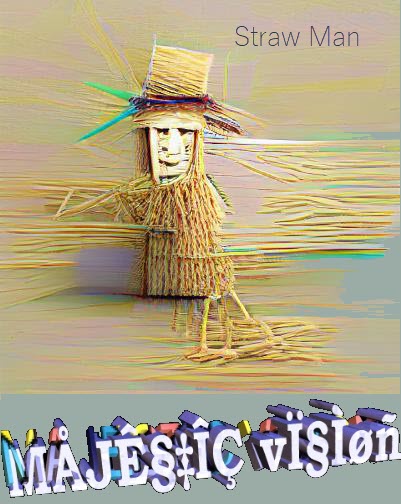
A straw man is a logical fallacy that occurs when an opponent’s argument is misrepresented in order to be more easily attacked or refuted. The straw man fallacy is often used in political debates and in other heated arguments. The straw man fallacy gets its name from the fact that it is easier to knock down a straw man than it is to knock down a real person. When someone uses the straw man fallacy, they are creating a false version of their opponent’s argument in order to make it easier to attack.
The straw man fallacy is also sometimes called the “false dilemma” or the “false dichotomy.” This is because the straw man argument often presents two options as if they are the only possible options when in reality there are other options. For example, imagine that you are trying to decide whether or not to buy a new car. Your friend argues against buying the car, saying “You don’t need a new car, your old car is just fine.” This is an example of the straw man fallacy. Your friend has created a false dichotomy by presenting only two options: buying a new car or keeping your old car. In reality, there are other options, such as leasing a car, borrowing a car, or taking public transportation.
The straw man fallacy is a type of false argument that can be difficult to spot. The straw man fallacy is also sometimes used in political debates. For example, imagine that two candidates are debating the issue of taxation. Candidate A says “We need to raise taxes on the wealthy in order to provide more funding for education and social programs.” Candidate B responds by saying “Candidate A wants to raise taxes on hard-working families.” This is a straw man argument, because Candidate B has misrepresented Candidate A’s position.
The straw man fallacy is a type of false argument, and it can be hard to spot. However, there are a few things that you can look for that may help you identify a straw man argument:
– The arguer attacks a different position than the one that their opponent holds.
– The arguer presents their opponent’s position as if it is the only possible position.
– The arguer straw man argument may be based on a misunderstanding or misrepresentation of their opponent’s position.
If you think that you may have been the victim of a straw man argument, there are a few things that you can do:
– Ask the person who made the argument to clarify their position.
– Point out the straw man argument and explain why it is not a valid argument.
– Present your own argument in response to the straw man argument.
In debates with both men and women, one common way to argue is to use a straw man argument. This is when you misrepresent your opponent’s argument and then attack that misrepresentation. For example, imagine that I am arguing in favor of increasing the minimum wage. My opponent might argue that this will lead to businesses closing and unemployment rates increasing. I could respond by arguing that my opponent is actually arguing against increasing the minimum wage, which is not what they are saying at all. This would be a straw man argument.
The straw man fallacy can be a very effective way to win an argument. After all, it’s much easier to attack an easy target than it is to defend an actual argument. However, it’s also a very dishonest way to argue and it’s not likely to convince anyone who isn’t already on your side.
More on What the Straw Man logical Fallacy is
The straw man fallacy is a type of informal fallacy that occurs when an opponent’s argument is misrepresented in order to make it easier to attack. The straw man fallacy gets its name from the fact that it is often used to create a “straw man” version of an opponent’s argument, one that is weaker and easier to defeat than the real argument.
The straw man fallacy is a common tactic in political debates, as well as in everyday arguments. It can be difficult to spot, because it often takes the form of legitimate criticism of an opponent’s position. However, if you are able to identify the straw man fallacy, you can avoid being misled by it.
What are some examples of the straw man fallacy?
One classic example of the straw man fallacy is the following:
Person A: I think that abortion should be legal in all cases.
Person B: But what about all the innocent babies that would be killed? That’s murder!
In this example, Person B is straw manning Person A’s position by misrepresenting it as being in favor of murder. This is a straw man fallacy because it is not an accurate representation of Person A’s position.
Another example of the straw man fallacy is the following:
Person A: I think that school uniforms are a good idea.
Person B: But you’re just trying to control kids! You want them all to look the same!
In this example, Person B is straw manning Person A’s position by misrepresenting it as being in favor of conformity. This is a straw man fallacy because it is not an accurate representation of Person A’s position.
The straw man fallacy is a common tactic in political debates. For example, during the 2016 U.S. presidential election, then-candidate Donald Trump straw manned his opponent Hillary Clinton’s position on gun control by claiming that she wanted to abolish the Second Amendment. This was a straw man fallacy because Clinton’s actual position was not to abolish the Second Amendment but to enact certain gun control measures.
How can you avoid being misled by the straw man fallacy?
The best way to avoid being misled by the straw man fallacy is to be aware of it and to pay close attention to how your opponents represent your position. If you think that your opponent may be straw-manning your position, you can ask them to clarify their criticism.
You can also avoid the straw man fallacy yourself by making sure that you accurately represent your opponents’ positions. When you are critiquing an opponent’s argument, make sure that you are attacking their actual position, not a straw man version of it.