
Your cart is currently empty!
Unlock Your Inner Artist AI’s Surprising Muse in 2025
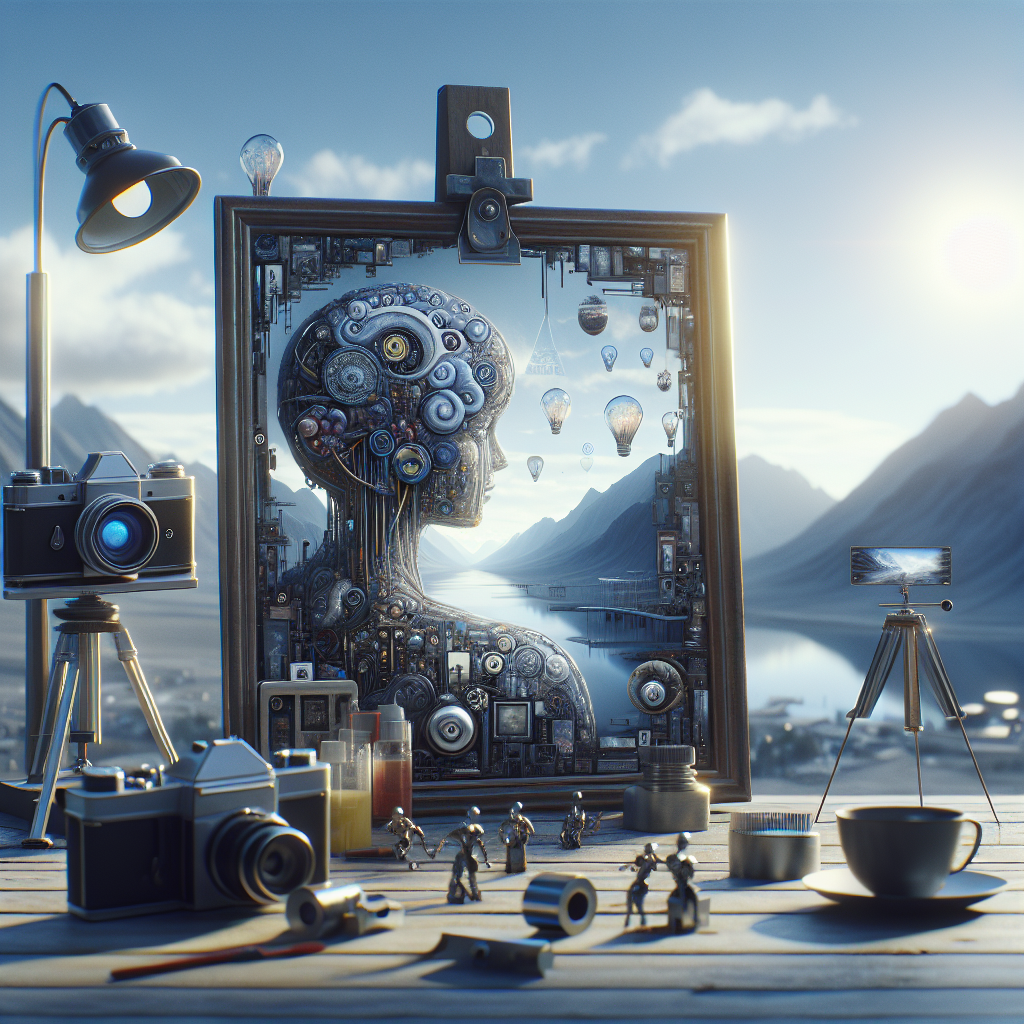
Meta Description: Explore how AI art will revolutionize creativity in 2025. Discover AI’s role as muse, learn about emerging AI tools, and prepare for a new era of artistic expression.
The AI Art Renaissance: What to Expect in 2025
Are you ready for a world where machines inspire masterpieces? By 2025, AI art will no longer be a novelty—it will be an integral part of the creative process. Imagine AI serving as your personal muse, sparking ideas and helping you bring your visions to life. This article explores how AI is poised to revolutionize artistic expression, offering insights into the tools, techniques, and transformative potential that awaits.
AI as Muse: A New Paradigm for Creativity
The traditional image of the artist, struck by sudden inspiration, is about to evolve. In 2025, AI will step into the role of muse, offering artists unprecedented access to new ideas, styles, and techniques.
Unlocking Unconventional Inspiration
AI algorithms can analyze vast datasets of art, music, literature, and even scientific data to identify patterns and connections that humans might miss. This capability allows AI to generate novel concepts and inspire artists to explore uncharted creative territories.
– AI can analyze the color palettes of thousands of paintings to suggest unexpected combinations.
– AI can generate musical phrases in styles that blend classical and electronic elements.
– AI can create abstract patterns based on complex mathematical equations, providing a unique visual starting point.
Enhancing Human Imagination
AI doesn’t replace human creativity; it amplifies it. By providing artists with a constant stream of new ideas and possibilities, AI can help them overcome creative blocks and push the boundaries of their imagination. The synergy between human ingenuity and artificial intelligence promises to unlock a new era of artistic innovation.
Emerging AI Art Tools and Platforms
The rise of AI art is fueled by the development of sophisticated tools and platforms that make it easier than ever for artists to collaborate with AI. These tools range from simple image generators to complex systems capable of producing highly original and personalized works of art.
AI-Powered Image Generation
AI image generators like DALL-E 3, Midjourney, and Stable Diffusion are becoming increasingly accessible and user-friendly. These tools allow artists to create stunning visuals from simple text prompts, opening up new avenues for experimentation and creative exploration.
– Artists can use these tools to quickly prototype ideas and visualize concepts.
– AI image generators can also be used to create variations of existing artworks, exploring different styles and compositions.
– The technology is constantly evolving, with new features and capabilities being added regularly.
Interactive AI Art Platforms
Interactive AI art platforms are emerging as spaces where artists and AI can collaborate in real-time. These platforms offer a range of tools for manipulating images, generating new content, and exploring different artistic styles.
– Some platforms allow artists to “paint” with AI, using natural language commands to guide the creative process.
– Others offer collaborative workspaces where multiple artists and AI agents can work together on a single project.
– These platforms are fostering a new sense of community and collaboration within the art world.
The Ethical and Societal Implications of AI Art
As AI art becomes more prevalent, it’s important to consider its ethical and societal implications. Issues such as copyright, ownership, and the potential for misuse need to be addressed to ensure that AI art is used responsibly and ethically.
Copyright and Ownership
One of the biggest challenges is determining who owns the copyright to AI-generated art. Is it the artist who provided the prompts, the developers of the AI algorithm, or the AI itself? These questions are complex and require careful consideration. Legal scholars are actively working to develop new frameworks for addressing copyright issues in the age of AI. For example, The U.S. Copyright Office has issued guidance on works containing AI-generated material, clarifying that copyright protection generally extends only to the human-authored portions of a work, a stance that underscores the necessity of human creativity in copyrightable AI art [https://www.copyright.gov/].
The Potential for Misuse
AI art can be used to create deepfakes, propaganda, and other forms of misinformation. It’s important to be aware of these risks and to develop strategies for detecting and combating the misuse of AI art. Education and awareness are key to mitigating these potential harms.
Preparing for the Future of AI Art
The rise of AI art presents both challenges and opportunities for artists, educators, and society as a whole. By embracing AI as a tool for creativity and innovation, we can unlock new possibilities and create a more vibrant and expressive world.
Embracing AI as a Creative Tool
Artists who embrace AI will be well-positioned to thrive in the future. By learning how to collaborate with AI, artists can expand their creative horizons and develop new skills. Experimentation and a willingness to explore new techniques are essential for success.
Investing in Education and Training
Educational institutions need to adapt their curricula to prepare students for the age of AI art. This includes teaching students about AI algorithms, data analysis, and the ethical implications of AI. Hands-on training with AI art tools is also essential.
Fostering Collaboration and Dialogue
The future of AI art will be shaped by collaboration and dialogue between artists, technologists, policymakers, and the public. By working together, we can ensure that AI art is used in a way that benefits society as a whole. Open discussions about the ethical, social, and artistic implications of AI are crucial for navigating this new landscape.
The Transformative Power of AI in Creative Industries
Beyond visual arts, AI is set to transform various other creative industries.
– Music Composition: AI can assist in composing original music pieces tailored to specific emotions or themes, offering musicians a powerful co-creation tool.
– Film and Video Editing: AI can automate tedious editing tasks, suggest optimal scene transitions, and even generate realistic special effects, streamlining the filmmaking process.
– Game Development: AI can create dynamic game environments, design non-player characters (NPCs) with realistic behaviors, and even generate unique storylines, enhancing the gaming experience.
These applications illustrate AI’s potential to democratize creativity, making sophisticated tools accessible to a wider range of creators.
Conclusion: Embracing the AI-Driven Artistic Future
AI art is poised to redefine creativity in 2025 and beyond. By understanding the tools, techniques, and ethical considerations surrounding AI, you can prepare yourself for this exciting new era. Embrace AI as your muse, explore its transformative potential, and unlock your inner artist.
Ready to dive deeper into the world of AI-driven creativity? Download our comprehensive guide to discover the latest AI art tools and techniques.
For more insights or collaboration opportunities, visit www.MajesticVision.com.
Leave a Reply