
Your cart is currently empty!
Unlock Your Inner Artist The AI Muse Arrives
Meta description: Unleash your creative potential with AI! Discover how AI artists are transforming art creation, offering new tools and inspiration for everyone.
The AI Revolution in Art: A New Dawn for Creativity
Ever felt a creative block staring you down? What if you could tap into a limitless source of inspiration, guided by artificial intelligence? The rise of the AI artist is not just a technological leap; it’s a profound shift in how we create and experience art. Imagine AI algorithms assisting you in sketching, painting, composing music, or even writing poetry. This is not science fiction; it’s the reality unfolding before us, democratizing art creation and opening doors for anyone to explore their artistic potential.
AI: The Muse of the Modern Artist
AI is rapidly evolving from a tool into a collaborative partner. It analyzes vast datasets of existing art, understands patterns, and then generates novel outputs based on user prompts. For example, you could ask an AI to create a painting in the style of Van Gogh, but with a futuristic cityscape as the subject. The possibilities are truly endless, providing artists with a powerful means to explore new ideas and push the boundaries of their imagination.
Democratizing Art Creation
Traditionally, artistic pursuits required years of training and access to specific resources. However, AI tools are leveling the playing field. Now, anyone with a computer and an internet connection can experiment with different styles, techniques, and mediums. This democratization empowers aspiring artists and hobbyists to bring their visions to life without the traditional barriers to entry.
From Novice to Virtuoso: How to Use an AI Artist
Embracing AI in your artistic process can seem daunting, but it’s easier than you think. Many user-friendly platforms are available, offering a range of features from simple image generation to complex artistic collaborations. Here’s how you can get started and integrate AI into your creative workflow.
Choosing the Right AI Platform
The market is filled with various AI art generators, each with its own strengths and weaknesses. Some platforms, like Midjourney and DALL-E 2, are known for their high-quality image generation and versatility. Others, such as Artbreeder, specialize in allowing users to blend and evolve existing images. Researching and experimenting with different platforms will help you find the one that best suits your artistic goals.
Crafting Effective Prompts
The key to unlocking the full potential of an AI artist lies in crafting effective prompts. A prompt is essentially a text-based instruction that guides the AI in generating artwork. The more specific and descriptive your prompt, the better the results will be. Consider including details about the style, subject, color palette, and mood you want to convey.
For example, instead of simply typing “a landscape,” try “a vibrant sunset over a mountain range, painted in the style of Impressionism, with warm colors and a sense of serenity.”
Iterating and Refining
AI-generated art is rarely perfect on the first try. It often requires multiple iterations and refinements to achieve the desired outcome. Don’t be afraid to experiment with different prompts, adjust parameters, and combine AI-generated elements with your own artistic skills. This iterative process is where the magic happens, as you collaborate with the AI to create something truly unique.
The Ethical Considerations of AI in Art
As AI becomes increasingly integrated into the art world, it’s crucial to address the ethical considerations that arise. Questions about copyright, ownership, and the potential displacement of human artists are becoming increasingly relevant.
Copyright and Ownership
One of the biggest challenges is determining who owns the copyright to AI-generated art. Is it the user who created the prompt? The developers of the AI algorithm? Or does the artwork fall into the public domain? These questions are still being debated in legal circles, and the answers will have significant implications for the future of AI art. It is important to understand the terms of service of each AI platform you use to clarify ownership rights.
The Role of Human Artists
Some artists fear that AI will eventually replace human creativity. However, many see AI as a tool that can enhance and augment their abilities, rather than replace them entirely. AI can handle repetitive tasks, generate initial ideas, and provide new perspectives, freeing up human artists to focus on the more nuanced and creative aspects of their work.
According to a report by the World Economic Forum, AI is expected to create more jobs than it eliminates, particularly in creative fields where human-AI collaboration is key.
Bias in Algorithms
AI algorithms are trained on vast datasets of existing art, which may reflect existing biases in the art world. This can lead to AI generating artwork that reinforces stereotypes or excludes certain groups. It’s important to be aware of these biases and actively work to mitigate them by curating diverse datasets and developing AI algorithms that are more inclusive.
Transforming Creative Industries with AI
The impact of AI extends far beyond the realm of individual artists. It is transforming entire creative industries, from graphic design and advertising to film and music production.
Graphic Design and Advertising
AI is automating many of the tedious tasks involved in graphic design, such as resizing images, creating variations of layouts, and generating marketing copy. This allows designers to focus on the more strategic and creative aspects of their work, resulting in more effective and engaging campaigns.
Film and Music Production
In the film industry, AI is being used to create realistic special effects, generate background music, and even write screenplays. Similarly, in the music industry, AI is helping composers create new melodies, harmonies, and arrangements, opening up new possibilities for musical expression.
Companies like Amper Music are pioneering the use of AI to generate custom music for videos, podcasts, and other media projects, reducing the cost and time required for music production.
Fashion and Product Design
AI is also making waves in the fashion and product design industries. Designers are using AI to analyze trends, predict consumer preferences, and generate new product ideas. This allows them to create more innovative and appealing products that are tailored to the needs of their target audience.
The Future of Art: A Symbiotic Relationship with AI
The integration of AI into the art world is not a passing trend; it’s a fundamental shift that will continue to shape the future of creativity. As AI technology advances, we can expect to see even more sophisticated tools and techniques that blur the lines between human and machine creativity.
The Rise of Collaborative Art
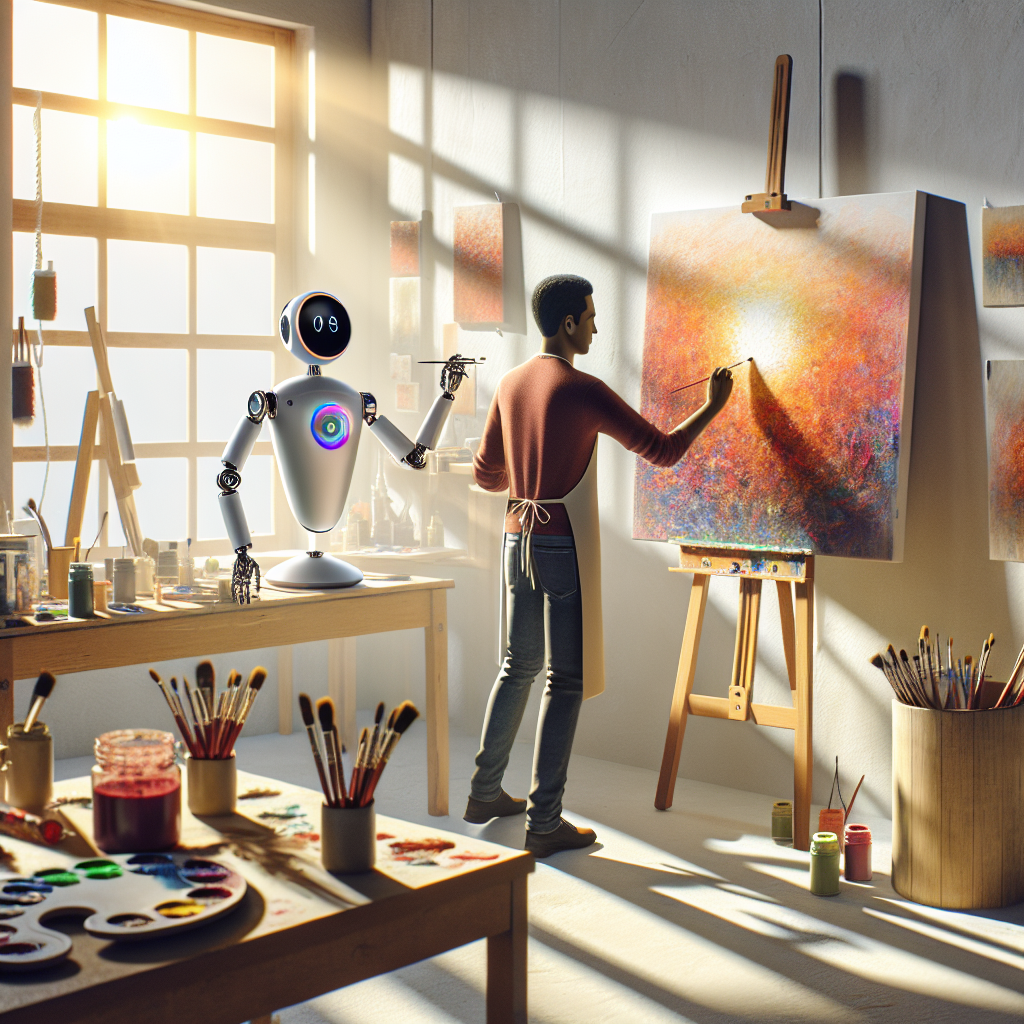
One of the most exciting developments is the rise of collaborative art, where human artists work closely with AI to create artwork that is greater than the sum of its parts. This symbiotic relationship allows artists to leverage the strengths of both humans and machines, resulting in truly innovative and groundbreaking creations.
Personalized Art Experiences
AI is also enabling personalized art experiences that are tailored to the individual viewer. Imagine walking through a museum where the artwork changes based on your personal preferences or interacting with a virtual reality environment where the art adapts to your emotions. These personalized experiences have the potential to deepen our connection with art and make it more accessible to everyone.
Education and Accessibility
The introduction of AI in education is changing how art is taught and learned. AI tools can provide personalized feedback, adapt to individual learning styles, and offer access to a vast library of resources. This makes art education more accessible and engaging for students of all ages and backgrounds.
The AI revolution in art is here, offering unprecedented opportunities for creative expression and innovation. By embracing AI as a tool and a partner, we can unlock our inner artist and create a future where art is more accessible, personalized, and collaborative than ever before.
For more insights or collaboration opportunities, visit www.MajesticVision.com.
Leave a Reply