
Your cart is currently empty!
Can AI Really Be Fair? Unpacking Bias in the Algorithm 2025
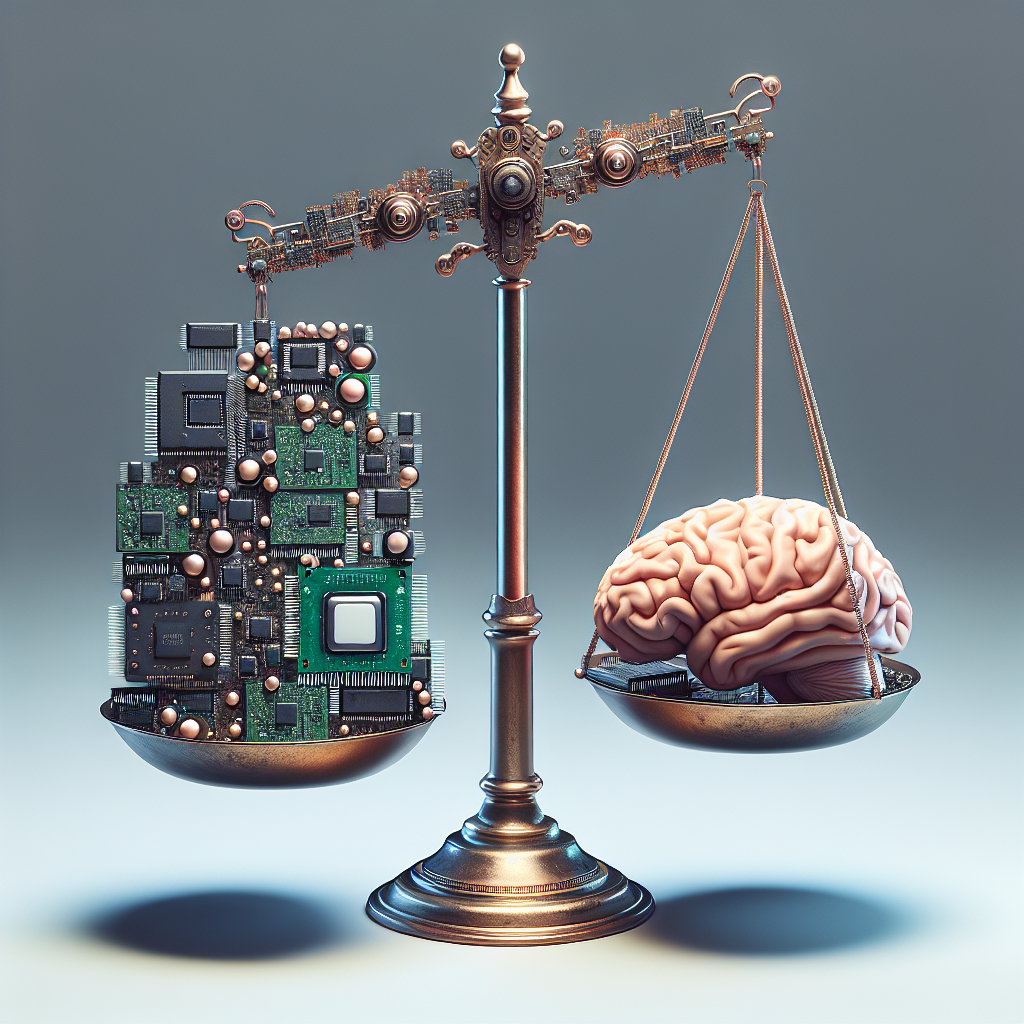
Can AI really be fair, or are we simply automating existing societal biases? The rise of artificial intelligence has sparked incredible innovation, but it has also unveiled a troubling reality: AI bias. As algorithms increasingly shape our lives, from loan applications to criminal justice, understanding and mitigating this bias is more critical than ever in 2025.
Understanding AI Bias: Where Does It Come From?
AI bias isn’t a glitch in the system; it’s often a reflection of the data used to train these algorithms. If the data contains historical prejudices or imbalances, the AI will learn and perpetuate them. Understanding the sources of this bias is the first step toward creating fairer AI systems.
Data Bias: The Foundation of the Problem
The quality and representativeness of training data are paramount. If the data predominantly features one demographic group, the AI will likely perform better for that group while underperforming or even discriminating against others. For example, if a facial recognition system is trained primarily on images of light-skinned individuals, it may struggle to accurately identify people with darker skin tones. This isn’t a flaw in the algorithm itself but a consequence of biased data.
– Data collection methods can also introduce bias. If data is gathered from a limited geographical area or specific online communities, it may not accurately represent the broader population.
– Historical biases present in the data are another significant concern. For instance, if historical hiring data shows a preference for male candidates in certain roles, an AI trained on this data might perpetuate this bias, even if gender isn’t explicitly included as a feature.
Algorithmic Bias: The Code Itself
While data bias is a primary contributor, the algorithms themselves can also introduce or amplify biases. The choice of features, the design of the model, and the optimization criteria can all inadvertently lead to unfair outcomes.
– Feature selection involves choosing which variables to include in the model. If certain features are correlated with protected characteristics like race or gender, using them can lead to discriminatory outcomes.
– Model complexity can also play a role. Overly complex models may pick up on spurious correlations in the data, leading to biased predictions. Simpler models, while potentially less accurate overall, may be more robust and less prone to bias.
– Optimization criteria, such as accuracy, can sometimes mask underlying biases. If the AI is optimized to maximize overall accuracy, it may do so at the expense of fairness for certain groups.
Real-World Examples of AI Bias in Action
The consequences of AI bias are far-reaching, impacting various aspects of our lives. Examining real-world examples highlights the urgency of addressing this issue.
– **Criminal Justice:** AI-powered risk assessment tools are used to predict the likelihood of recidivism. Studies have shown that these tools can be biased against certain racial groups, leading to unfair sentencing and parole decisions.
– **Hiring Processes:** AI is increasingly used to screen resumes and conduct initial interviews. However, these systems can perpetuate gender and racial biases, filtering out qualified candidates from underrepresented groups. Amazon scrapped its AI recruiting tool after discovering it was biased against women.
– **Loan Applications:** Algorithms are used to assess creditworthiness and determine loan eligibility. Biased algorithms can deny loans to qualified individuals from certain demographic groups, perpetuating economic inequalities.
– **Healthcare:** AI is being used to diagnose diseases and recommend treatments. However, biased data can lead to misdiagnosis or inappropriate treatment recommendations for certain patient populations.
Ethical Frameworks for Mitigating AI Bias
Addressing AI bias requires a multi-faceted approach, including ethical frameworks, technical solutions, and ongoing monitoring. Establishing clear ethical guidelines is essential for guiding the development and deployment of AI systems.
– **Fairness Metrics:** Defining and measuring fairness is crucial. Various fairness metrics exist, each with its own strengths and limitations. These include statistical parity, equal opportunity, and predictive parity. Choosing the appropriate metric depends on the specific context and the values being prioritized.
– **Transparency and Explainability:** Understanding how AI systems make decisions is essential for identifying and mitigating bias. Techniques like explainable AI (XAI) can help shed light on the inner workings of these algorithms.
– **Accountability and Oversight:** Establishing clear lines of accountability is critical. Organizations should be responsible for the fairness of their AI systems and should be subject to oversight and regulation.
– **Human-in-the-Loop:** Incorporating human judgment into the decision-making process can help mitigate bias. Humans can review and override AI decisions, especially in high-stakes situations.
Technical Solutions for Reducing AI Bias
While ethical frameworks provide guidance, technical solutions are necessary for implementing these principles in practice. Various techniques can be used to reduce bias in AI systems.
– **Data Augmentation:** This involves adding synthetic data to the training set to balance representation across different groups. For example, if a dataset is underrepresented in a particular demographic, synthetic data can be generated to increase its representation.
– **Bias Detection Tools:** Tools are available to automatically detect bias in datasets and models. These tools can help identify potential sources of bias and guide mitigation efforts.
– **Adversarial Debiasing:** This technique involves training an AI model to simultaneously perform its primary task and minimize bias. The model is trained to be accurate while also being fair to all groups.
– **Regularization Techniques:** These methods penalize models for relying on features that are correlated with protected characteristics. This encourages the model to learn more generalizable and less biased representations.
The Role of Regulation and Policy in Addressing AI Bias
While technical solutions and ethical frameworks are essential, regulation and policy play a crucial role in ensuring fairness and accountability in AI. Governments and regulatory bodies are increasingly recognizing the need for oversight in this area.
– **Legislation:** Some jurisdictions are considering or have already enacted legislation to address AI bias. These laws may require organizations to assess and mitigate bias in their AI systems. The European Union’s AI Act is a prime example of comprehensive legislation aimed at regulating AI and ensuring its ethical use.
– **Standards and Guidelines:** Industry standards and guidelines can provide a framework for organizations to develop and deploy AI systems responsibly. These standards can cover various aspects, including data collection, model development, and bias mitigation.
– **Auditing and Certification:** Independent audits can help ensure that AI systems meet certain fairness standards. Certification programs can provide assurance to consumers and the public that AI systems are fair and unbiased.
– **Public Awareness and Education:** Raising public awareness about AI bias is essential for fostering informed debate and holding organizations accountable. Education programs can help people understand the risks and benefits of AI and how to identify and address bias. The Partnership on AI, for example, is dedicated to advancing public understanding and responsible AI practices.
Conclusion & Call to Action
AI bias presents a significant challenge, but it is not insurmountable. By understanding the sources of bias, implementing ethical frameworks, adopting technical solutions, and establishing appropriate regulation, we can work towards creating fairer and more equitable AI systems. The key takeaways are clear: data diversity matters, transparency is essential, and ongoing monitoring is non-negotiable. The future we build depends on the choices we make today.
Take the first step towards responsible AI development. Learn more about ethical AI practices and explore our resources for mitigating bias in your AI projects. Download our comprehensive guide on fairness metrics and start building a better future today.
For more insights or collaboration opportunities, visit www.MajesticVision.com.
Leave a Reply