
Your cart is currently empty!
Unlock Your Inner Artist The AI-Powered Muse
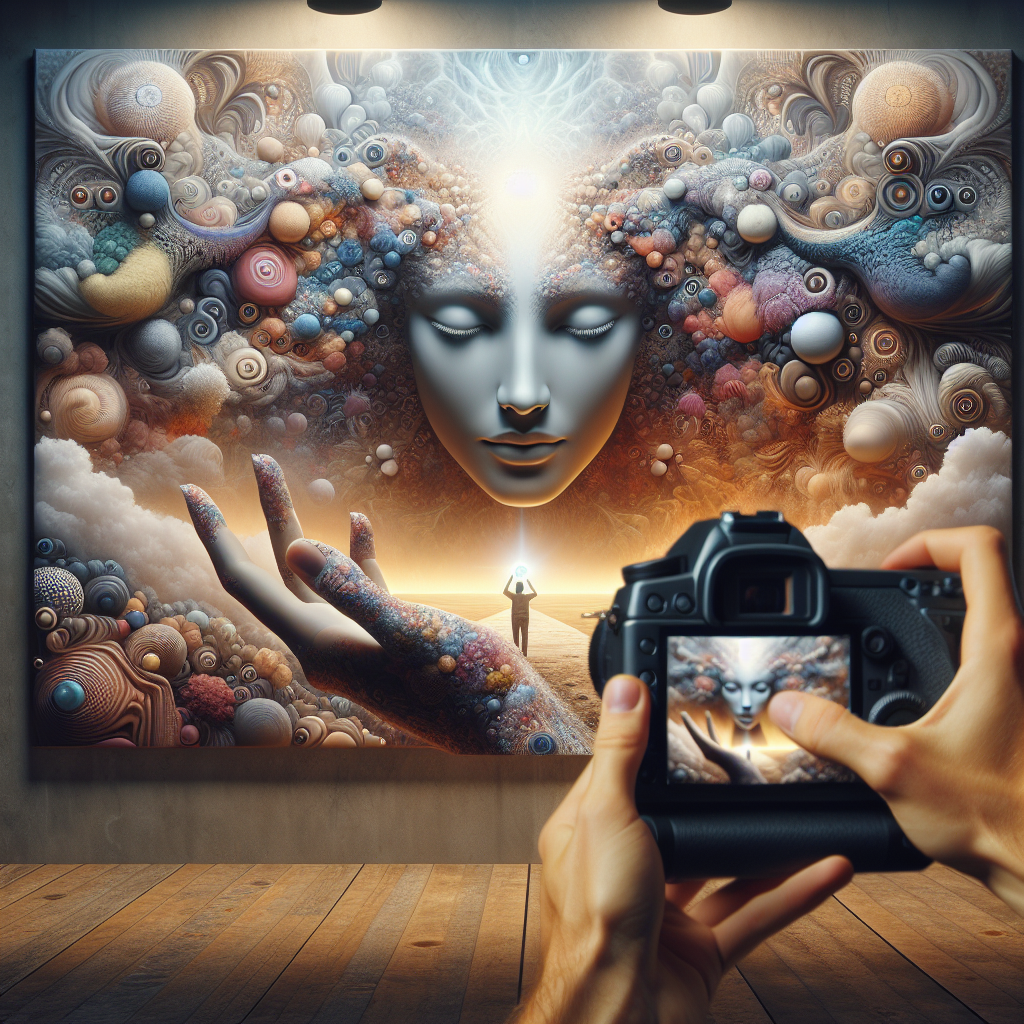
Can artificial intelligence truly unlock untapped artistic potential? What if technology could serve as a muse, not a replacement, pushing creative boundaries beyond what we thought possible? The rise of AI creativity is not just a technological trend; it’s a revolution, transforming how we conceive, create, and experience art.
Understanding AI’s Role in Creativity
AI is rapidly evolving from a tool for automation to a partner in creative expression. It offers artists new ways to generate ideas, experiment with styles, and produce innovative works. This collaboration between human and machine opens up exciting possibilities, challenging traditional notions of art and authorship.
AI as a Creative Partner
AI algorithms can analyze vast datasets of art, music, and literature, identifying patterns and generating new combinations that spark human creativity. Think of it as a super-powered brainstorming partner that never runs out of ideas. AI tools can assist with tasks like:
– Generating initial concepts and sketches.
– Exploring variations on existing themes.
– Providing feedback on composition and color palettes.
Examples of AI-Driven Art
Several AI-powered platforms have already made waves in the art world. Tools like DALL-E 2 and Midjourney allow users to create stunning visuals from simple text prompts, showcasing the power of AI in image generation. Similarly, AI music composition tools are enabling musicians to explore new harmonies and melodies. For example, consider AI-generated art winning fine arts competitions, sparking debates about creativity and technology.
Unlocking Your Creative Potential with AI
Integrating AI into your creative process doesn’t require a computer science degree. Many user-friendly tools are designed for artists of all levels. The key is to approach AI as a collaborator, exploring its capabilities and adapting them to your unique style.
Choosing the Right AI Tools
Selecting the appropriate AI tools depends on your artistic medium and goals. Some options include:
– Image generation tools: DALL-E 2, Midjourney, and Stable Diffusion.
– Music composition software: Amper Music, Jukebox, and Euterpe.
– Writing assistants: GPT-3, Rytr, and Jasper.
Experiment with different platforms to discover what resonates with your creative process. Free trials and online tutorials can help you get started without significant investment.
Harnessing AI for Idea Generation
Struggling with creative block? AI can help. Input a few keywords or themes into an AI-powered tool, and it will generate a range of ideas to inspire you. For example, if you’re a painter looking for new subject matter, AI could suggest unexpected combinations like “a cyberpunk cityscape at sunset” or “a portrait of a cat wearing a spacesuit.”
Enhancing Your Skills with AI Feedback
AI can also provide valuable feedback on your work. Some tools analyze your art or music, offering suggestions for improvement in areas like composition, harmony, or rhythm. While AI feedback shouldn’t replace human critique, it can offer a fresh perspective and help you identify areas for growth.
The Ethical Considerations of AI Creativity
As AI becomes more integral to creative expression, it’s crucial to address the ethical implications. Issues of copyright, ownership, and the potential for bias in AI algorithms require careful consideration.
Copyright and Ownership
Who owns the copyright to AI-generated art? This question is still being debated in legal and artistic circles. Some argue that the artist who provides the prompts and guides the AI should own the copyright, while others believe that the AI itself should be recognized as a co-creator. As AI creativity evolves, clear legal frameworks are needed to protect the rights of all parties involved.
Bias in AI Algorithms
AI algorithms are trained on vast datasets, which may contain biases that can be reflected in the AI’s output. For example, an AI trained primarily on Western art may produce art that lacks diversity and cultural representation. It’s essential to be aware of these biases and to use AI tools critically, actively working to mitigate their effects.
The Future of AI creativity
The future of AI creativity holds immense potential, but it also requires careful navigation. As AI technology advances, it’s crucial to foster a collaborative relationship between humans and machines, ensuring that AI serves as a tool for empowering artists and expanding the boundaries of creative expression. Experts at MIT Media Lab are actively researching ways to harness AI for positive social impact in the arts, signaling a future where technology enhances, rather than replaces, human creativity.
Mastering AI-Assisted Art: A Step-by-Step Guide
Ready to dive into the world of AI-assisted art? Follow these steps to start exploring the possibilities:
1. Choose Your AI Tool: Select a platform that aligns with your artistic interests (e.g., DALL-E 2 for image generation, Amper Music for music composition).
2. Learn the Basics: Explore the tool’s features and functionalities through tutorials and online resources.
3. Experiment with Prompts: Start with simple prompts and gradually increase complexity as you become more comfortable.
4. Refine and Iterate: Use AI-generated outputs as a starting point, refining and adapting them to your unique style.
5. Seek Feedback: Share your work with other artists and solicit feedback on how to improve your AI-assisted creations.
Examples in Different Art Forms
AI is making waves across various art forms, transforming how artists approach their craft.
– Visual Arts: AI algorithms are used to generate photorealistic images, abstract art, and digital paintings, offering artists new ways to express their visions.
– Music Composition: AI tools create original melodies, harmonies, and rhythms, enabling musicians to explore uncharted sonic territories.
– Writing and Literature: AI-powered writing assistants help authors brainstorm ideas, develop characters, and refine their prose.
– Design: AI algorithms are used to generate design concepts for websites, logos, and marketing materials, accelerating the creative process.
AI is not meant to replace human creativity but to augment it, providing artists with new tools and possibilities.
The integration of AI into the creative realm marks a pivotal shift, offering artists unparalleled opportunities to innovate and explore uncharted territories. By embracing AI as a collaborative partner, understanding its ethical implications, and mastering its tools, you can unlock your inner artist and create works that resonate with audiences in new and profound ways. Embark on this exciting journey and discover how AI can help you realize your creative vision.
For more insights or collaboration opportunities, visit www.MajesticVision.com.
Leave a Reply